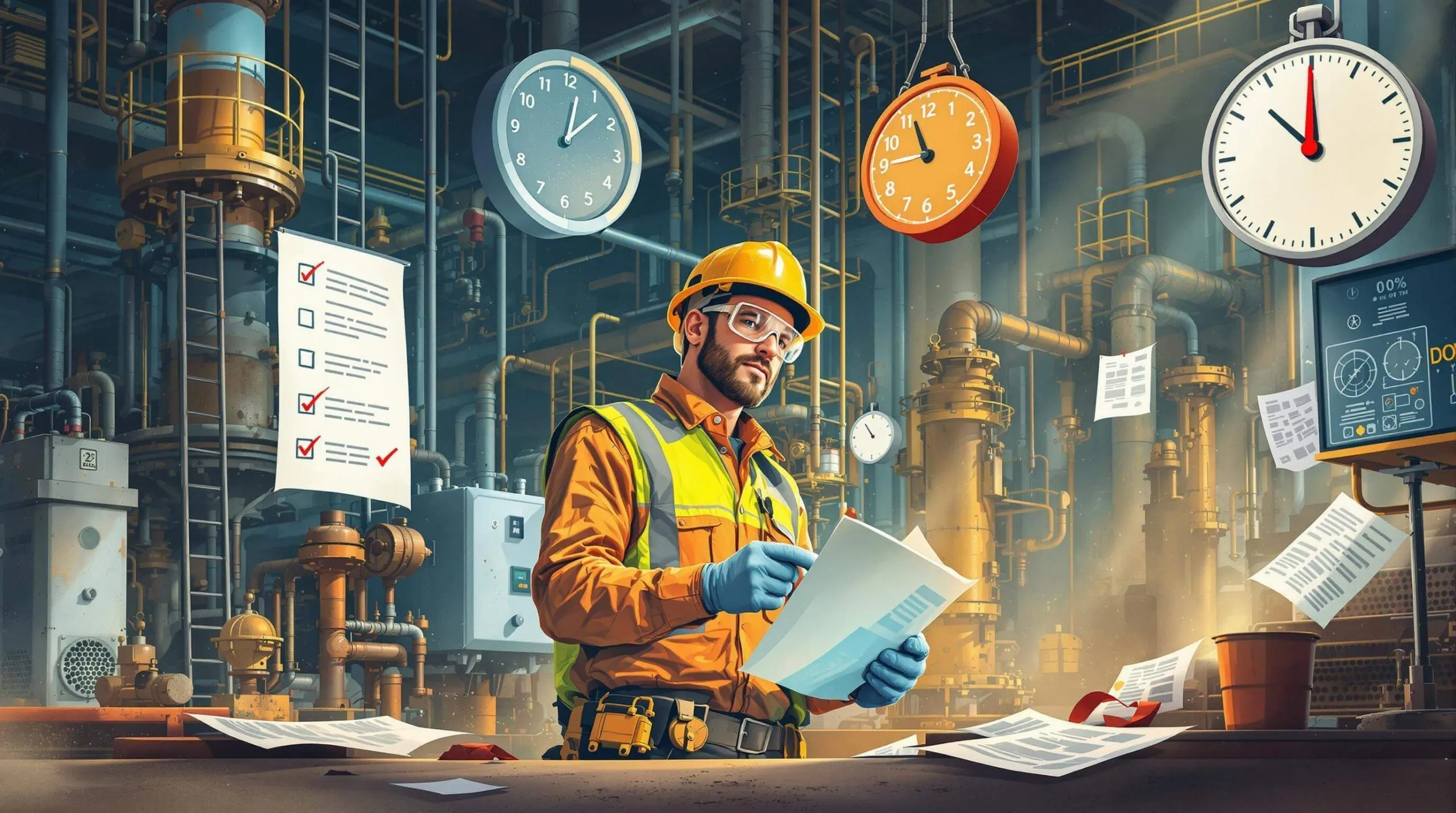
In the oil and gas industry, safety is paramount. One critical aspect of maintaining safety in hazardous environments is conducting thorough Ex inspections. These inspections ensure that equipment used in explosive atmospheres complies with stringent safety standards, preventing catastrophic incidents. However, despite their importance, Ex inspections come with a host of challenges. This article delves into the common issues faced during Ex inspections and offers practical solutions to overcome them.
Understanding Ex Inspections
What Are Ex Inspections?
Ex inspections refer to the examination of electrical and mechanical equipment used in hazardous areas where there is a risk of explosion due to flammable gases, vapors, or combustible dust. The "Ex" symbol denotes equipment that is explosion-protected. Compliance is governed by the IEC 60079 series of technical standards for equipment and protective systems in explosive atmospheres. In the EU, the ATEX directive (2014/34/EU) mandates compliance with IEC 60079. Internationally, equipment may be certified under the IECEx scheme, which also references IEC 60079 standards.
The Importance of Ex Inspections
Regular Ex inspections are vital for:
- Ensuring Compliance: Meeting legal and regulatory requirements to operate safely.
- Preventing Accidents: Identifying faults that could lead to explosions.
- Maintaining Equipment Integrity: Prolonging the lifespan of equipment through early detection of issues.
- Protecting Personnel and Environment: Safeguarding lives and preventing environmental disasters.
Common Challenges in Ex Inspections
1. Insufficient Knowledge and Training
Without a deep understanding of explosion-protection concepts and equipment specifications, inspectors may overlook critical issues.
2. Incomplete or Inaccurate Documentation
Accurate documentation is crucial for successful Ex inspections. However, inspectors often face incomplete, outdated, or incorrect records, making it difficult to verify equipment compliance and history.
3. Access Issues and Hard-to-Reach Areas
Equipment in hazardous areas is sometimes located in confined spaces or at heights, posing physical access challenges for inspectors.
4. Environmental Factors
Harsh environmental conditions such as extreme temperatures, humidity, dust, or corrosive atmospheres can affect both the equipment's functionality and the inspection process.
5. Equipment Degradation Over Time
Exposure to harsh conditions leads to wear and tear of equipment, which may not be immediately apparent but can compromise safety.
6. Complex Regulatory Compliance
Keeping up with evolving international, national, and local regulations can be demanding. Differences between standards such as IECEx, ATEX, and local codes add to the complexity.
7. Inconsistent Inspection Practices
Variability in inspection methods and criteria leads to inconsistent results, undermining the reliability of Ex inspections.
8. Time Constraints and Operational Pressures
9. Lack of Proper Tools and Instruments
Using inadequate or improper tools can hinder the inspection process and affect the accuracy of findings.
10. Data Management and Record-Keeping
Solutions and Mitigation Strategies
1. Comprehensive Training Programs: Implement regular training sessions covering current standards, equipment protection concepts, and inspection techniques. For electrical installations, align training with IEC 60079-17, which specifically addresses inspection and maintenance of electrical installations in hazardous areas. For mechanical equipment, refer to the relevant mechanical equipment standards in the IEC 60079 series.
- Certification and Accreditation: Encourage inspectors to obtain relevant certifications from recognized bodies such as CompEx or IECEx CoPC.
- Continuous Learning: Promote a culture of continuous learning to keep pace with technological advancements and regulatory changes.
2. Implementing Robust Documentation Processes
- Standardized Documentation Templates: Use uniform templates to ensure all necessary information is captured consistently.
- Up-to-Date Records: Maintain current records of all equipment, including installation details, certificates, and maintenance history.
- Digital Document Management Systems: Adopt electronic systems for better organization and ease of access.
3. Using Advanced Access Solutions
- Specialized Access Equipment: Utilize scaffolding, elevated work platforms, or rope access technicians for hard-to-reach areas.
- Drones and Remote Inspection Tools: Employ drones or robotic devices for inspections in hazardous or inaccessible locations.
- Safe Access Planning: Conduct risk assessments and plan for safe access before inspections commence.
4. Environmental Adaptations
- Protective Gear and Equipment: Provide inspectors with appropriate personal protective equipment (PPE) suitable for the environmental conditions encountered.
- Environmental Control Measures: Use climate-controlled enclosures or temporary coverings to mitigate adverse conditions during inspections.
- Regular Environmental Monitoring: Track environmental factors that may affect equipment and schedule inspections accordingly.
5. Regular Maintenance and Pre-Inspection Checks
- Scheduled Maintenance Programs: Implement routine maintenance to address equipment degradation proactively.
- Pre-Inspection Assessments: Conduct preliminary checks to identify obvious faults, reducing time required during detailed inspections.
- Replacement of Aged Equipment: Replace equipment nearing the end of its service life to avoid safety risks.
6. Staying Updated with Regulations
- Regulatory Monitoring: Assign a team or designated person to track regulatory changes at international, national, and local levels.
- Engagement with Authorities: Participate in industry forums and engage with regulatory bodies for the latest guidance.
- Internal Compliance Audits: Regularly audit internal processes to ensure alignment with current standards, including the IEC 60079 series and applicable ATEX directives.
7. Standardizing Inspection Procedures
- Developing Standard Operating Procedures (SOPs): Create detailed SOPs for Ex inspections to ensure consistency across inspection teams and sites.
- Checklists and Guidelines: Use structured checklists, such as those outlined in IEC 60079-17, to cover all inspection aspects comprehensively.
- Quality Control Measures: Implement peer reviews and audits to maintain high inspection standards.
8. Effective Time Management and Scheduling
- Optimized Inspection Schedules: Plan inspections around operational downtimes to minimize disruptions.
- Prioritization of Critical Equipment: Focus on high-risk areas and equipment first, informed by hazardous area classification per IEC 60079-10-1 and IEC 60079-10-2.
- Resource Allocation: Ensure sufficient staffing and resources are available for thorough inspections.
9. Equipping Inspectors with Proper Tools
- Specialized Inspection Tools: Provide explosion-protected equipment such as intrinsically safe cameras, multimeters, and measuring devices certified for use in the relevant hazardous area zones.
- Tool Maintenance and Calibration: Regularly calibrate tools to maintain measurement accuracy.
- Technological Advancements: Invest in modern tools that enhance efficiency, such as handheld digital devices carrying appropriate Ex certification.
10. Adopting Digital Solutions for Data Management
- Inspection Software: Utilize specialized software for data collection, analysis, and reporting to reduce manual errors.
- Cloud-Based Systems: Implement cloud storage for secure, accessible record-keeping that supports audit trails.
- Integration with Maintenance Systems: Link inspection data with computerized maintenance management systems (CMMS) for better coordination and follow-up.
Conclusion
Ex inspections are critical for ensuring safety in hazardous areas within the oil and gas industry. While challenges are inherent given the complexities of the environments and equipment involved, they are not insurmountable. By addressing issues related to training, documentation, access, environmental conditions, equipment degradation, regulatory compliance, inspection practices, time constraints, tooling, and data management, organizations can significantly enhance the effectiveness of their Ex inspections.
Implementing the solutions outlined not only helps in overcoming current challenges but also contributes to establishing a robust safety culture. Regular, thorough Ex inspections protect not just the facilities and equipment but, most importantly, the lives of personnel and the surrounding environment.
Final Thoughts
Ensuring safety in hazardous areas is a continuous journey that demands diligence, expertise, and the right resources. Organizations should invest in their inspection teams, stay current with regulatory requirements, and embrace technological advancements to keep their Ex inspection processes effective and compliant. By doing so, they not only mitigate risks but also enhance operational efficiency and reliability.
By optimizing your Ex inspection strategies and overcoming common challenges, your organization can maintain high safety standards, comply with regulations, and safeguard both personnel and assets. Implementing these solutions supports a meaningful and lasting improvement in operational safety and efficiency.