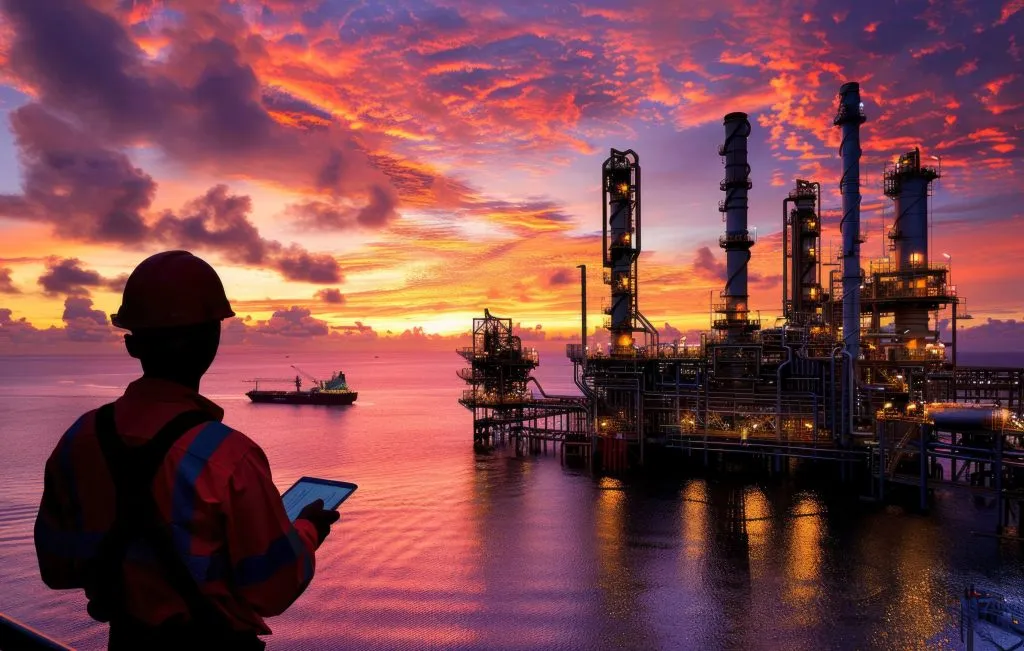
In an increasingly digitized world, the oil and gas industry stands at the crossroads of technological advancement and vulnerability. As critical infrastructure that powers economies globally, the sector is a prime target for cyberattacks. The convergence of Information Technology (IT) and Operational Technology (OT) systems has opened new avenues for efficiency but has also expanded the attack surface for malicious actors. This article examines the cybersecurity threats facing the oil and gas industry and explores measures to safeguard against these dangers.
The Growing Importance of Cybersecurity in Oil and Gas
The oil and gas sector supplies energy for transportation, heating, electricity, and industrial processes. Disruptions in this industry can have cascading effects on national security, economies, and everyday life. As operations become more interconnected and reliant on digital technologies, protecting these assets from cyber threats has become a core engineering and business priority.
Understanding the Cyber Threat Landscape
Cyber threats in the oil and gas industry are multifaceted, ranging from sophisticated nation-state attacks to opportunistic cybercriminal activities. Key threats include:
1. Advanced Persistent Threats (APTs)
APTs are prolonged and targeted cyberattacks in which an intruder gains access to a network and remains undetected for an extended period. Nation-states often orchestrate these attacks to steal sensitive information or sabotage critical infrastructure.
2. Ransomware Attacks
Ransomware involves malicious software that encrypts a victim's data, with the attacker demanding payment for the decryption key. The May 2021 Colonial Pipeline ransomware attack (attributed to the DarkSide group) demonstrated the potential impact of cyberattacks on fuel distribution. Although the ransomware targeted IT systems, the operator's precautionary shutdown of operations led to significant supply disruptions, illustrating how cyber incidents can cascade into operational consequences even when OT systems are not directly compromised.
3. Phishing and Social Engineering
Cybercriminals use deceptive emails and communications to trick employees into revealing confidential information or granting access to secure systems. These attacks exploit human psychology rather than technological vulnerabilities.
4. Insider Threats
Disgruntled or careless employees can intentionally or unintentionally compromise security. Insider threats are particularly challenging because they involve individuals with legitimate access to systems.
5. Supply Chain Attacks
Attackers infiltrate less secure elements of the supply chain to access larger targets. The oil and gas industry's reliance on third-party vendors increases the risk of such attacks.
Vulnerabilities Specific to Oil and Gas Infrastructure
Integration of IT and OT Systems
Historically, OT systems controlling physical processes were isolated from IT networks. The integration of these environments for improved efficiency and analytics has blurred these boundaries, exposing OT systems — including SCADA, DCS, and safety instrumented systems — to conventional IT threats.
Legacy Systems and Equipment
Many oil and gas facilities operate with outdated hardware and software that lack modern security features. Replacing or updating these systems can be costly and operationally complex, leading to prolonged vulnerability periods.
Remote Operations and Monitoring
The use of remote sensors and control systems, especially on offshore rigs and pipelines, relies on network connectivity. This remote access can be exploited if not properly secured.
Complex and Distributed Networks
The vast and geographically dispersed nature of oil and gas operations makes securing every endpoint challenging. From drilling sites to distribution networks, each node adds to the overall complexity.
Impacts of Cyberattacks on the Oil and Gas Sector
Cyberattacks can have severe consequences, including:
- Operational Disruptions: Attacks can halt production, leading to financial losses and supply shortages.
- Environmental Hazards: Manipulation of control systems can cause spills, explosions, or other environmental disasters.
- Financial Losses: Beyond immediate operational costs, companies may face regulatory fines, lawsuit settlements, and reputational damage.
- National Security Risks: As critical infrastructure, attacks can undermine national security and economic stability.
- Data Theft: Sensitive proprietary information, if stolen, can undermine competitive advantage and compromise trade secrets.
Measures to Safeguard Against Cyberattacks
Protecting the oil and gas industry's critical infrastructure requires a multi-layered approach encompassing technology, processes, and people.
1. Implementing Robust Cybersecurity Frameworks
Adopting recognized frameworks such as the NIST Cybersecurity Framework or the IEC 62443 series provides organizations with structured guidance for establishing and maintaining comprehensive security programs. The IEC 62443 series of standards—particularly IEC 62443-3-3 (system-level security requirements) and IEC 62443-4-2 (component-level security requirements)—provides structured guidance for securing industrial automation and control systems (IACS) environments common in oil and gas operations.
2. Network Segmentation
Segregating IT and OT networks reduces the risk of lateral movement by attackers. Strict access controls, demilitarized zones (DMZ), and firewalls between network segments can contain breaches and limit their impact.
3. Regular Patch Management and Updates
Keeping systems and software current closes known vulnerabilities. A formal patch management process — adapted for OT environments where uptime constraints apply — ensures that security updates are evaluated and applied in a controlled manner.
4. Employee Training and Awareness
Regular training programs help employees recognize phishing attempts, understand security policies, and respond appropriately to potential threats.
5. Implementing Multi-Factor Authentication (MFA)
Requiring multiple forms of verification for system access adds an additional layer of security, making unauthorized access substantially more difficult.
6. Intrusion Detection and Prevention Systems
Deploying advanced threat detection systems that monitor network traffic — including OT-aware monitoring tools — helps identify and mitigate threats in real time.
7. Incident Response Planning
A well-defined incident response plan ensures that, in the event of a breach, the organization can respond swiftly to minimize impact. Regular exercises and plan reviews keep response procedures current and effective.
8. Secure Remote Access
With the prevalence of remote operations, securing remote access points through Virtual Private Networks (VPNs), encryption, and strict authentication protocols is essential. Remote access to OT environments should be tightly controlled and logged.
9. Supply Chain Security
Assessing and managing the security practices of third-party vendors reduces the risk of supply chain attacks. Contracts should include defined security requirements and audit rights.
10. Physical Security Measures
Protecting physical assets such as control rooms, communication cabinets, and data centers prevents unauthorized personnel from accessing critical systems directly.
Emerging Technologies and Practices
Adoption of Artificial Intelligence (AI) and Machine Learning
These technologies enhance the ability to identify threats proactively rather than reactively.
Blockchain Technology
Zero Trust Architecture
Zero Trust principles operate on the assumption that threats can originate from inside or outside the network. Continuous verification of identity and strict, least-privilege access controls are central to this approach.
Regulatory Compliance and Standards
Governments and international bodies are increasingly focused on cybersecurity requirements for critical infrastructure.
- Cybersecurity and Infrastructure Security Agency (CISA) facilitates sharing of threat information between private companies and the U.S. government and publishes guidance for critical infrastructure sectors.
- European Union's NIS Directive imposes cybersecurity obligations on operators of essential services, including energy providers.
- TSA Pipeline Security Guidelines in the U.S. provide directives for pipeline operators to strengthen cybersecurity measures.
Compliance with these frameworks not only supports legal adherence but also improves the overall security posture of an organization.
The Role of Leadership and Culture
Creating a culture of security starts at the executive level. Leadership must treat cybersecurity as a strategic business issue, not solely an IT concern.
- Investment in Security: Allocating appropriate budgets for cybersecurity initiatives is critical to sustaining effective defenses.
- Governance Structures: Establishing clear governance with defined roles and responsibilities ensures accountability across the organization.
- Continuous Improvement: Cybersecurity is not a one-time effort but requires ongoing assessment, testing, and enhancement as the threat landscape evolves.
Conclusion
The oil and gas industry's significance to global economies makes it a high-value target for cyberattacks. As technology evolves, so do the threats that exploit new vulnerabilities. Organizations within this sector must bolster their cybersecurity measures proactively. By implementing robust frameworks such as the NIST Cybersecurity Framework and IEC 62443, investing in advanced detection technologies, and fostering a culture of security awareness, the industry can protect its critical infrastructure against malicious threats.
Keywords: Cybersecurity in oil and gas, critical infrastructure protection, oil and gas cyber threats, securing oil and gas systems, cybersecurity measures, oil and gas industry vulnerabilities, IT and OT integration, ransomware in oil and gas, insider threats, advanced persistent threats, cybersecurity frameworks, NIST, IEC 62443, network segmentation, employee cybersecurity training.