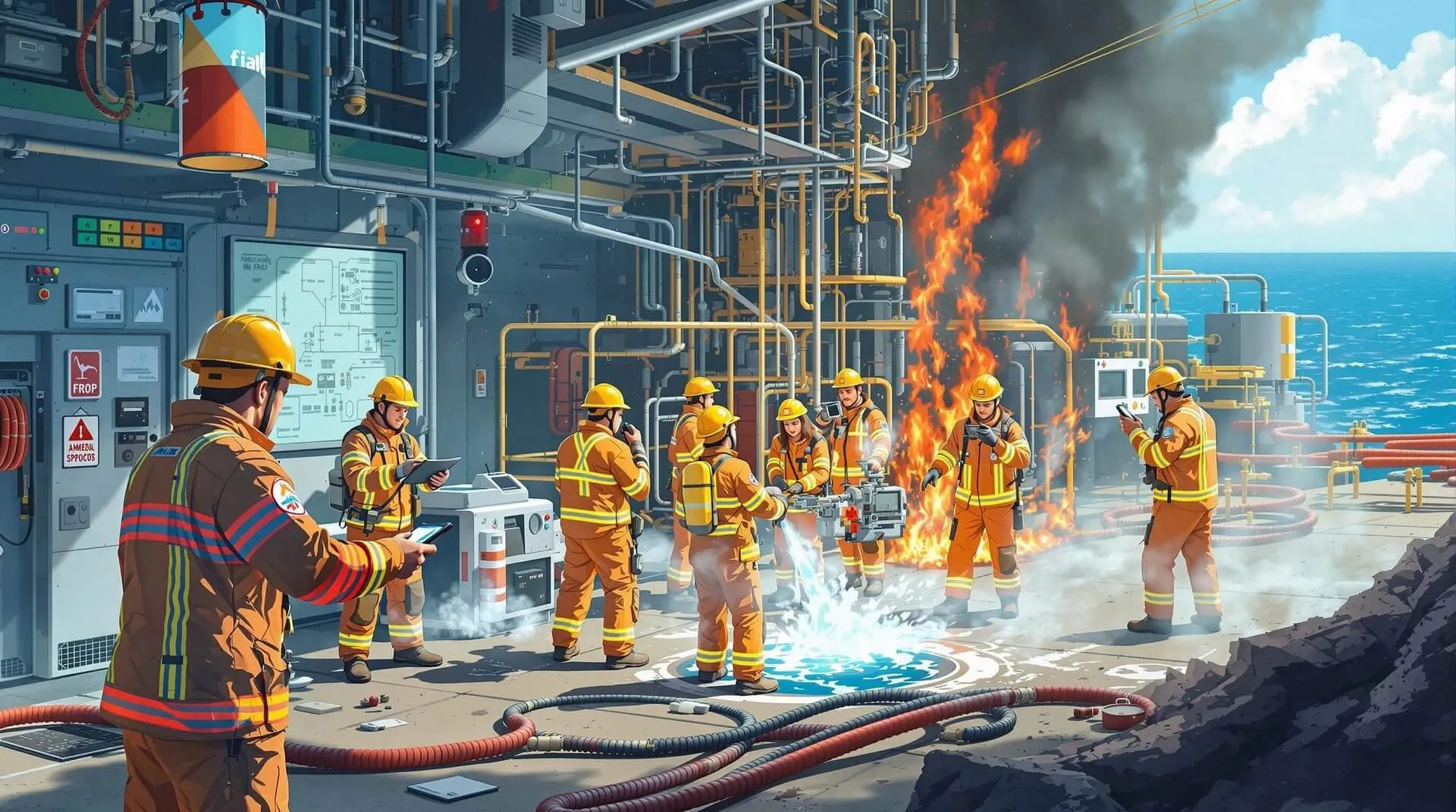
Oil and gas work happens in hard places. Deepwater platforms take storms. Pipelines run across deserts. The risks are real, and they go beyond operations — people, environment, safety. Emergency response planning is not a paperwork exercise. It is a regulatory requirement, yes, but it is also how responsible operations stay responsible.
The unexpected can be catastrophic. Preparation decides whether you contain an incident or lose control of it. This article covers the core parts of a workable emergency response plan: drills, communication protocols, and resource allocation.
Understanding the Importance of Emergency Response Planning
The sector handles flammable, toxic, and high-pressure substances. A minor oversight can lead to explosions, fires, spills, and other emergencies that endanger lives, damage the environment, and cause significant financial losses.
Effective emergency response planning:
- Enhances Safety: Protects employees, contractors, and the public.
- Reduces Environmental Impact: Minimizes damage from spills and leaks.
- Ensures Regulatory Compliance: Meets local and international safety regulations.
- Protects Reputation: Demonstrates a commitment to safety and responsibility.
Components of Effective Emergency Response Plans
An emergency response plan is a documented strategy outlining how an organization will respond to various emergencies. To be effective, it must be comprehensive, regularly updated, and thoroughly practiced. Below are the essential components that make an emergency response plan robust and effective.
1. Risk Assessment and Hazard Identification
Risk assessment is the foundation of any emergency response plan. It means identifying potential hazards, assessing the likelihood of their occurrence, and evaluating their potential impact.
- Identify Hazards: Analyze all operational aspects to pinpoint where emergencies could arise, such as equipment failures, natural disasters, human errors, or security breaches.
- Assess Risks: Determine the probability of each hazard occurring and the severity of its consequences.
- Prioritize Risks: Focus on high-probability and high-impact risks to allocate resources effectively.
Understand the risks, and you can build targeted strategies to mitigate them. Process hazard analysis methodologies — such as HAZOP and Layer of Protection Analysis — provide structured frameworks for this work and align with the requirements of IEC 61511 for safety instrumented systems in the process industry.
2. Clear Communication Protocols
Communication breaks down during an emergency, and the situation gets worse. Delays or misunderstandings lead to greater harm.
- Internal Communication: Establish clear lines of communication among staff. Ensure that all employees know who to contact and how information will be disseminated during an emergency.
- External Communication: Develop protocols for communicating with external stakeholders, including emergency services, regulatory bodies, the media, and the public.
- Communication Tools: Utilize reliable communication tools such as two-way radios, satellite phones, and mass notification systems that can operate even when standard communication networks fail.
- Language and Clarity: Ensure that communication is clear, concise, and in languages understood by all employees, especially in multinational operations.
3. Regular Emergency Drills and Training
Training and drills are essential to ensure that all personnel know their roles during an emergency.
- Employee Training: Provide comprehensive training on emergency procedures, evacuation routes, use of emergency equipment, and first aid.
- Conduct Drills: Regularly conduct different types of drills to test the preparedness of staff and the effectiveness of the plan.
- Tabletop Exercises: Simulated scenarios discussed in a meeting setting to evaluate the plan.
- Walk-through Drills: Physical walkthroughs of emergency procedures without full-scale mobilization.
- Full-scale Drills: Realistic simulations involving all stakeholders and emergency services.
- Evaluate and Improve: After each drill, evaluate performance, identify weaknesses, and update the plan accordingly.
4. Resource Allocation and Management
Having the right resources available is crucial for an effective emergency response.
- Equipment Readiness: Ensure that all emergency equipment — such as fire suppression systems, spill containment materials, and personal protective equipment (PPE) — is available, functional, and accessible.
- Personnel Allocation: Assign roles and responsibilities to personnel, ensuring adequate staffing levels at all times.
- Emergency Funds: Allocate budgetary resources for emergency preparedness and response activities.
- Supply Chains: Establish relationships with suppliers and contractors who can provide additional resources if needed.
5. Coordination with External Agencies
Collaborating with external organizations enhances the effectiveness of emergency response.
- Emergency Services: Work closely with local fire departments, medical services, and hazardous material teams to ensure a coordinated response.
- Regulatory Bodies: Maintain open communication with regulatory agencies to meet compliance requirements and receive guidance.
- Community Relations: Engage with local communities to inform them of risks and response plans, and to address their concerns.
- Mutual Aid Agreements: Enter into agreements with neighboring facilities or companies to provide assistance during emergencies.
6. Establishing an Incident Command Structure
An Incident Command System (ICS) provides a standardized approach to the command, control, and coordination of emergency response.
- Chain of Command: Define clear leadership roles to prevent confusion.
- Roles and Responsibilities: Assign specific tasks to individuals or teams, such as safety officers, communication coordinators, and logistics managers.
- Decision-Making Processes: Establish protocols for rapid decision-making during emergencies.
- Flexibility: Ensure the command structure can scale up or down based on the severity of the incident.
7. Continuous Improvement and Plan Review
An emergency response plan should be a living document.
- Regular Updates: Update the plan to reflect changes in operations, new hazards, or regulatory changes.
- Post-Incident Analysis: After drills or actual incidents, conduct thorough reviews to identify lessons learned.
- Employee Feedback: Encourage input from employees at all levels to improve the plan.
- Benchmarking: Compare your plan against industry best practices and standards.
The Role of Technology in Emergency Response
Technology has significantly enhanced emergency response capabilities.
- Monitoring Systems: Utilize sensors and monitoring equipment to detect leaks, gas levels, and equipment failures in real time. Fixed gas and flame detection systems should be designed and maintained in accordance with applicable standards such as
IEC 61511. - Emergency Notification Software: Implement systems that can quickly alert all personnel through multiple channels.
- Data Management: Use software to manage emergency response data, documentation, and compliance records.
- Simulation Tools: Employ virtual reality and simulation software for training purposes.
Regulatory Compliance and Standards
Compliance with local and international regulations is not just a legal obligation — it also ensures that the emergency response plan meets minimum safety standards.
- OSHA Regulations: In the United States, adhere to the Occupational Safety and Health Administration's guidelines, including Process Safety Management requirements under 29 CFR 1910.119 for facilities handling highly hazardous chemicals.
- Environmental Laws: Consider environmental regulations related to spill response and reporting, including requirements under applicable national and regional frameworks.
- International Standards: Follow standards such as
ISO 45001for occupational health and safety management systems, andIEC 61511where safety instrumented systems form part of the emergency response architecture. - Audits and Inspections: Prepare for regular audits by maintaining thorough documentation and evidence of compliance.
Conclusion
Emergency response planning is an indispensable aspect of operating responsibly within the oil and gas industry. By focusing on comprehensive risk assessments, clear communication protocols, regular drills, proper resource allocation, and continuous improvement, companies can significantly enhance their preparedness for unexpected events.
Being proactive rather than reactive not only safeguards the lives of employees and surrounding communities but also protects the environment and the company's assets. In an industry where the stakes are high, investing in robust emergency response planning is not just prudent — it is essential.
Take Action Now:
- Review Your Emergency Response Plan: Ensure it is up-to-date, comprehensive, and tailored to your operations.
- Invest in Training: Schedule regular training sessions and drills for all employees.
- Audit Communication Systems: Verify that your communication protocols and tools are effective and reliable.
- Engage with Stakeholders: Build strong relationships with external agencies and the community.
By prioritizing emergency preparedness, oil and gas companies not only comply with regulations but also demonstrate a commitment to safety and responsibility that strengthens their reputation and supports long-term operational success.