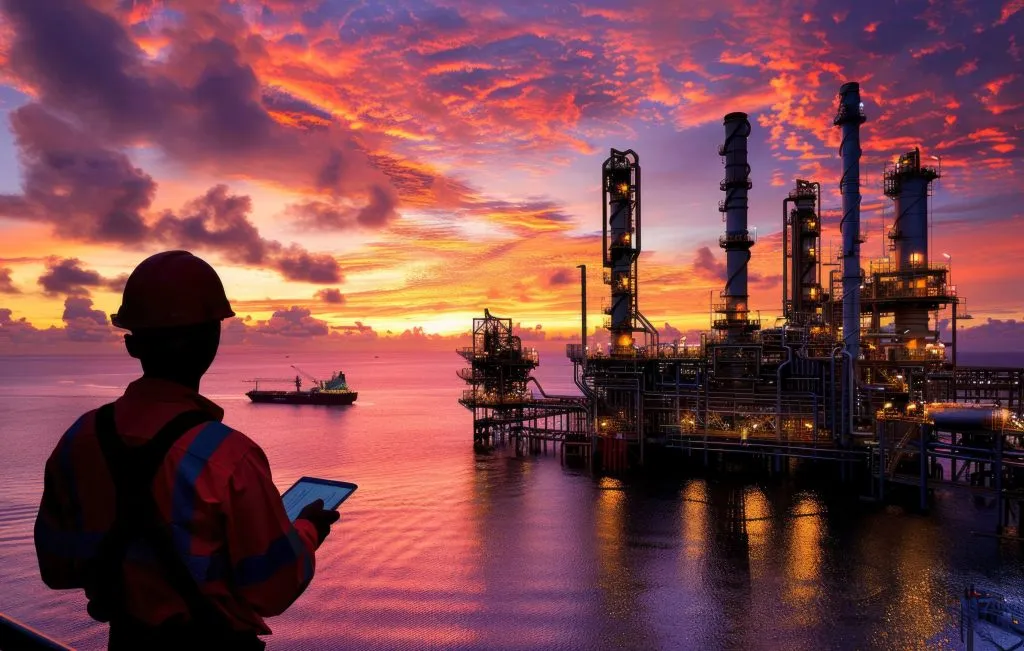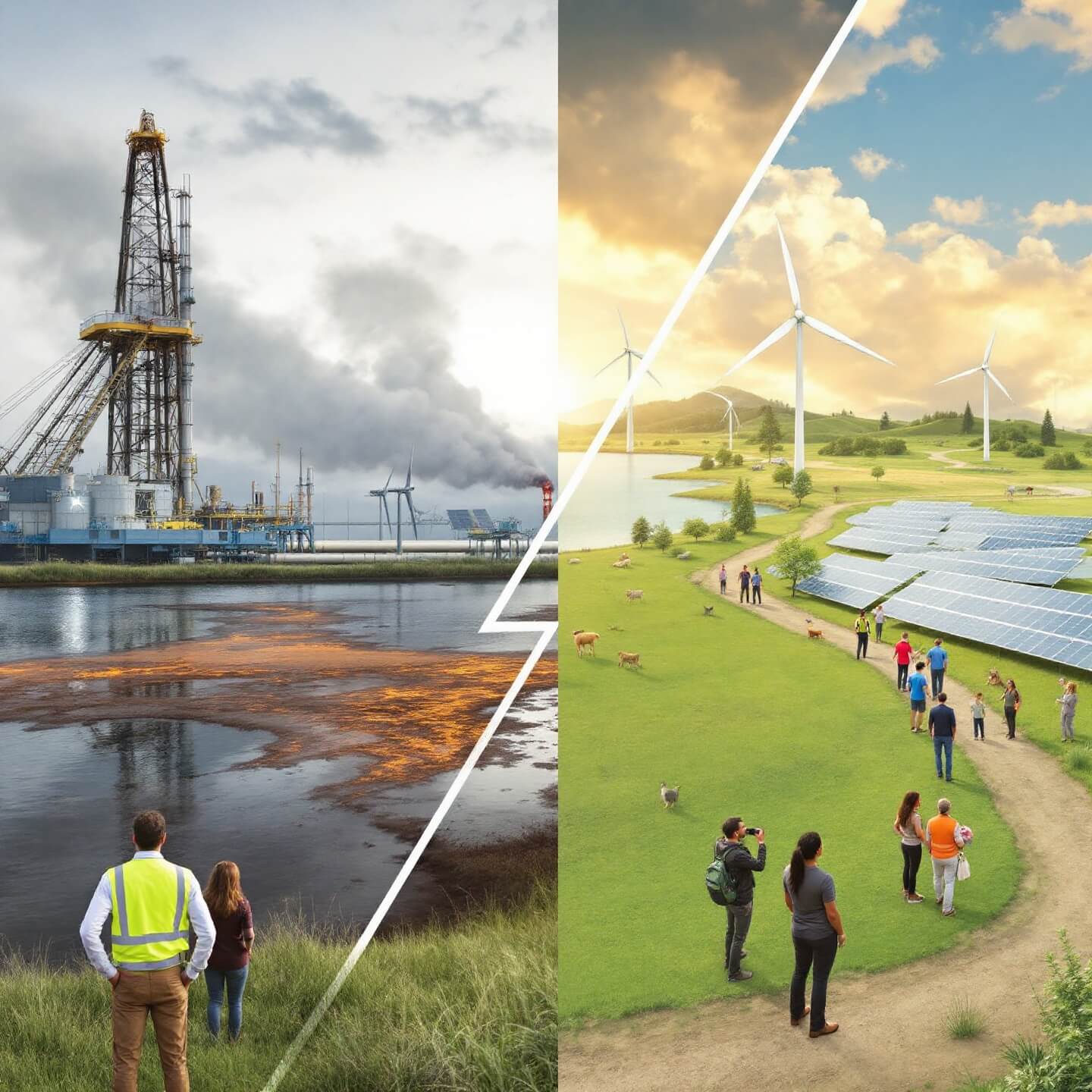
The oil and gas industry powers the global economy. It supplies energy for transportation, manufacturing, and daily life. It also gets watched harder than almost any other sector, and right now most of that scrutiny lands on environmental, social, and governance (ESG) practice. Stakeholders want accountability, transparency, and sustainability — and they want evidence, not adjectives. This article covers the main ethical challenges the industry is working through, including environmental concerns, community relations, and transparency, plus the steps companies can take to handle them responsibly.
The Importance of Ethics in Oil and Gas Operations
Staying inside the permit is the floor, not the ceiling. Ethics in the oil and gas industry is about more than compliance with laws and regulations; it is about doing what is right for the environment, communities, and future generations. That is what builds trust with governments, investors, employees, and local communities — the people whose cooperation the business actually runs on. Companies that take ethical considerations seriously tend to see fewer unpleasant surprises: lower risk, a better reputation, and a longer runway.
Environmental Concerns: Balancing Energy Needs and Sustainability
The biggest ethical question the industry faces is also the most physical one: what the work does to the ground, the water, and the air. Greenhouse gas emissions and habitat destruction draw the loudest criticism, and both feed into climate change and environmental degradation.
1. Greenhouse Gas Emissions and Climate Change
Those emissions are linked to climate change, which poses a threat to ecosystems, economies, and human health. Ethical considerations demand that companies take responsibility for their carbon footprint and invest in cleaner technologies.
Solutions:
- Adopting Renewable Energy: Integrating renewable energy sources into operations can reduce dependence on fossil fuel combustion for on-site power generation.
- Carbon Capture and Storage (CCS): Technologies like CCS can help reduce emissions by capturing CO2 from industrial processes and storing it underground.
- Energy Efficiency: Improving operational efficiency can reduce energy consumption and emissions.
2. Environmental Degradation
Extraction leaves a footprint: deforestation, water pollution, soil contamination. Hydraulic fracturing carries groundwater contamination risks in certain geological settings, particularly where fracture geometry intersects potable aquifers. Wastewater disposal is a separate problem. Deep injection has been associated with induced seismic activity in some regions, driven by pore-pressure changes and stress redistribution.
Solutions:
- Strict Environmental Standards: Companies must adhere to stringent environmental regulations and implement best practices to minimize their impact.
- Spill Prevention and Response: Investing in advanced technologies and robust response plans can help prevent and mitigate oil spills.
- Restoration Projects: Ethical companies prioritize restoring ecosystems affected by their operations.
Community Relations: Building Trust and Respect
Wells, pipelines, and plants don't sit on empty maps. They sit next to people, often in indigenous territories and rural areas. The ethics here are concrete: respecting local cultures, ensuring fair compensation, and addressing social impacts.
1. Respecting Indigenous Rights
Many oil and gas projects are located on or near indigenous lands, which raises hard questions about land rights, cultural preservation, and consent. The answers have to come out of a respectful and transparent engagement with indigenous communities — not out of a legal department.
Solutions:
- Free, Prior, and Informed Consent (FPIC): Companies should obtain consent from indigenous communities before starting projects on their land.
- Cultural Sensitivity Training: Employees should be trained to understand and respect local customs and traditions.
2. Fair Compensation and Benefits
Ethical considerations require companies to provide fair compensation and invest in community development.
Solutions:
- Community Development Programs: Companies can support education, healthcare, and infrastructure projects to improve the quality of life for local residents.
- Job Creation: Hiring local workers and providing training programs can help communities benefit economically from oil and gas projects.
3. Addressing Social Impacts
Oil and gas operations can lead to social challenges, such as population displacement and health risks. Waiting for those to show up isn't a plan — ethical companies identify and address them proactively.
Solutions:
- Social Impact Assessments: Conducting thorough assessments can help identify and mitigate potential social risks before and during operations.
- Health and Safety Programs: Companies should implement programs to protect the health and safety of workers and local communities.
Transparency: Building Accountability and Trust
Transparency is a cornerstone of ethical business practices. In the oil and gas industry, it is essential for building trust with stakeholders and ensuring accountability. It's also the part of ethics that's easiest to talk about and hardest to actually do.
1. Financial Transparency
Solutions:
- Revenue Reporting: Companies should publish detailed reports on payments to governments and other financial transactions.
- Anti-Corruption Measures: Implementing robust anti-corruption policies and practices can help prevent unethical behavior.
2. Operational Transparency
Stakeholders, including investors and communities, demand greater transparency about the environmental and social impacts of oil and gas operations.
Solutions:
- ESG Reporting: Companies should publish regular reports on their environmental, social, and governance performance.
- Stakeholder Engagement: Open communication with stakeholders can help build trust and address concerns proactively.
3. Supply Chain Transparency
Ethical companies must ensure that their suppliers adhere to high standards. Your footprint doesn't stop at your fence line.
Solutions:
- Supplier Audits: Regular audits can help identify and address unethical practices in the supply chain.
- Sustainability Standards: Companies should require suppliers to meet strict environmental and social standards.
The Role of Technology in Promoting Ethical Practices
Digital tools can improve transparency, while innovative technologies can reduce environmental impacts. Two jobs, and this industry has the instrumentation for both.
Examples of Ethical Technologies:
- Blockchain: Blockchain technology can enhance transparency by providing a secure and tamper-resistant record of transactions and operations.
- Drones and Sensors: These tools can monitor environmental impacts, such as methane leaks, in real time.
- Artificial Intelligence (AI):
Conclusion: A Path Toward Ethical Oil and Gas Operations
The oil and gas industry faces significant ethical challenges, but it also has the opportunity to lead the way in sustainable and responsible practices. By addressing environmental concerns, building strong community relations, and promoting transparency, companies can demonstrate their commitment to ethical operations. Stakeholders, including governments, investors, and consumers, have a part to play in holding the industry accountable and encouraging positive change.
As the world transitions to a more sustainable energy future, the oil and gas sector must embrace ethical considerations as a core part of its business strategy. By doing so, it can contribute to a cleaner, fairer, and more equitable world.