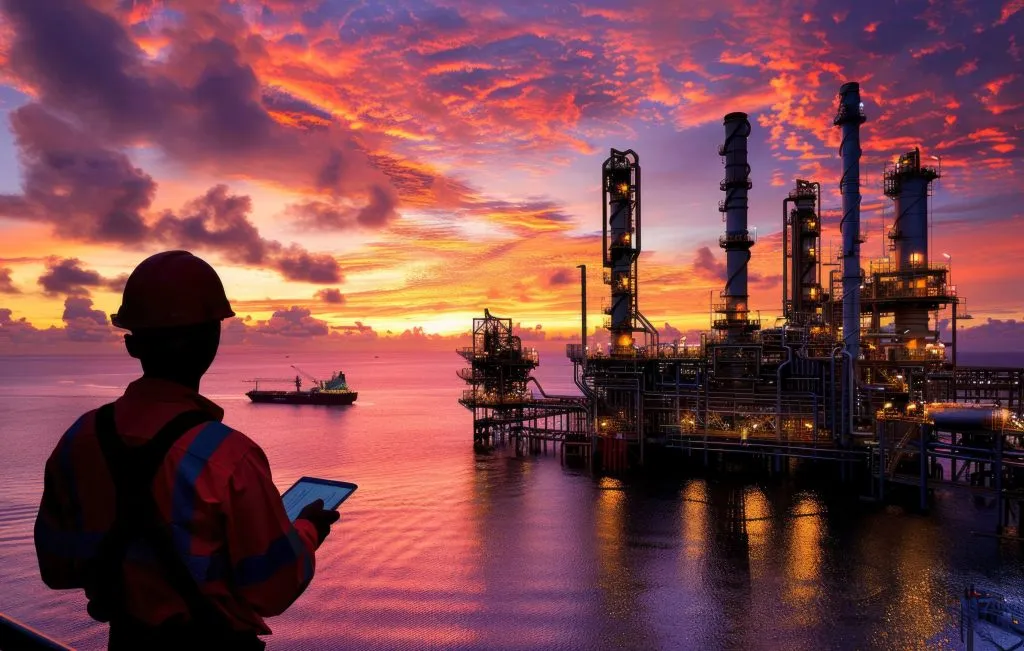
The global oil industry stands at a pivotal crossroads, facing significant changes that will shape its trajectory over the next decade. As the world grapples with climate change, technological advancement, and shifting economic landscapes, forecasting global oil demand has become increasingly complex. This article examines projections for future oil demand and the key variables that could influence these trends.
Introduction
Oil has been central to the global economy for over a century, fueling transportation, heating, electricity generation, and serving as a feedstock for countless products. However, the growth of renewable energy sources, evolving government policies, and changing consumer behaviors are challenging oil's traditional dominance. Understanding how these factors interact is essential for industry stakeholders navigating an uncertain future.
Global Oil Demand Projections
Steady Growth in Emerging Markets
Despite the global push toward renewable energy, oil demand is expected to continue growing in the near term, primarily driven by emerging economies in Asia and Africa. These regions are experiencing rapid industrialization and urbanization, leading to increased energy consumption.
- Asia's Influence:
- Africa's Potential:
Plateau and Decline in Developed Nations
In contrast, developed countries are likely to experience a plateau or gradual decline in oil demand.
- Energy Efficiency Improvements: Advances in technology are producing more energy-efficient vehicles and industrial machinery, reducing overall oil consumption.
- Shift to Renewables: Government incentives and evolving consumer preferences are accelerating the adoption of renewable energy in place of fossil fuels.
Global Demand Outlook
According to the IEA World Energy Outlook 2023, global oil demand is projected to continue growing through the 2030s under current policy trajectories, with the pace of growth moderating as energy efficiency improvements and renewable energy deployment accelerate. The timing and extent of any plateau depend significantly on the stringency of climate policies implemented. The trajectory beyond that point will depend heavily on the pace of energy transitions and the stringency of policy implementation across major economies.
Variables Influencing Future Oil Demand
1. Technological Advancements
Electric Vehicles (EVs)
- Market Growth: According to the IEA World Energy Outlook 2023, electric vehicles are projected to represent [X]% of new car sales by 2030 under the Stated Policies Scenario, with higher penetration rates in developed markets and lower rates in emerging economies.
- Impact on Oil Demand: Transportation represents a major share of global oil consumption, meaning widespread EV adoption has the potential to materially reduce oil demand over time.
Alternative Energy Technologies
- Hydrogen Fuel Cells:
- Energy Storage Solutions: Improved battery technologies enhance the viability of renewable energy, reducing reliance on oil-based generation.
2. Government Policies and Regulations
Climate Change Initiatives
- Paris Agreement: National commitments to reduce greenhouse gas emissions are compelling governments to reduce fossil fuel dependency.
- Carbon Pricing: Carbon taxes and cap-and-trade systems create economic incentives to shift toward lower-carbon energy sources.
Regulations on Fossil Fuels
- Fuel Efficiency Standards: Increasingly stringent standards reduce oil demand by promoting energy-efficient vehicles and equipment.
- Bans on Internal Combustion Engines: Several countries have announced plans to phase out the sale of new gasoline and diesel vehicles within the coming decades.
3. Economic Growth and Globalization
Emerging Economies
- GDP Growth Correlation:
- Industrialization: Manufacturing and industrial sectors remain heavily dependent on oil, contributing to demand growth in these regions.
Economic Downturns
- Impact of Recessions: Economic slowdowns reduce industrial activity and suppress oil demand.
- Post-Pandemic Recovery:
4. Consumer Behavior and Social Trends
Urbanization and Mobility
- Public Transportation:
- Remote Work:
Environmental Awareness
- Consumer Preferences: Growing environmental consciousness is encouraging the adoption of sustainable practices and reducing demand for oil-based products.
- Corporate Responsibility: Companies across sectors are adopting decarbonization strategies, reducing their reliance on fossil fuels.
5. Geopolitical Factors
OPEC Policies
- Production Quotas: Decisions by the Organization of the Petroleum Exporting Countries (OPEC) and its allies directly influence global oil supply and price levels.
- Market Stability Efforts: OPEC's supply management actions aim to balance markets but can also affect consumption patterns through their price effects.
International Relations
- Trade Agreements and Sanctions: Political tensions and trade policies can disrupt oil supply chains, affecting both prices and demand.
- Regional Conflicts: Instability in oil-producing regions may cause supply disruptions or surpluses that reverberate through global markets.
6. Technological Innovation in Oil Extraction
Shale Oil and Hydraulic Fracturing
- Increased Supply: Technological advances have unlocked substantial new oil reserves, particularly in the United States, reshaping global supply dynamics.
- Price Implications: Greater supply availability can moderate prices, with downstream effects on both demand levels and the economics of new production.
Enhanced Oil Recovery (EOR)
- Regulatory Scrutiny: Some EOR techniques carry a higher environmental footprint, attracting increased regulatory attention.
- Cost Efficiency: Continued improvement in extraction methods can reduce operational costs, influencing production decisions and reserve development timelines.
7. Alternative Energy Competition
Renewable Energy Adoption
- Cost Competitiveness: According to the IEA World Energy Outlook 2023, the levelized cost of electricity (LCOE) from solar and wind has declined significantly, with solar LCOE falling to [X] USD/MWh and wind to [Y] USD/MWh in 2023, making them cost-competitive with fossil fuel generation in many regions.
- Grid Integration: Improved grid infrastructure and storage solutions allow for greater incorporation of renewables into national energy systems.
Nuclear Energy
- Energy Security: Nuclear power offers a low-carbon baseload energy source that can reduce oil dependency in the power sector.
- Public Perception: Safety concerns and high capital costs continue to constrain nuclear expansion in some regions.
Industry Adaptation Strategies
Diversification
- Investing in Renewables: Major oil companies are allocating capital to renewable energy projects to diversify their portfolios and manage long-term transition risk.
- Research and Development: Sustained investment in energy technology innovation positions companies to respond to future market shifts.
Sustainability Initiatives
- Carbon Capture and Storage (CCS): Development and deployment of CCS technologies can reduce the net emissions associated with continued fossil fuel use.
- Emission Reduction Goals: Setting credible, measurable emission reduction targets strengthens corporate accountability and aligns with evolving regulatory expectations.
Stakeholder Collaboration
- Public-Private Partnerships: Collaborative frameworks can accelerate advances in energy efficiency and alternative energy deployment.
- Community Engagement: Engaging with local communities ensures that energy transition strategies reflect broader societal values and needs.
Conclusion
Forecasting global oil demand over the next decade requires navigating a complex interplay of technological innovation, policy evolution, economic development, and shifting social norms. While emerging markets may sustain near-term demand growth, the broader global trajectory points toward a gradual moderation in oil consumption as the energy transition advances.
For the oil and gas industry, this transition presents both challenges and opportunities. Companies that proactively adapt — by embracing new technologies, investing in lower-carbon energy, and aligning with global sustainability objectives — are better positioned to remain competitive in an evolving energy landscape.
Key Takeaways
- Technological Advancements: Growth in electric vehicles and renewable energy technologies is set to reduce oil demand, particularly in the transportation sector.
- Government Policies: Climate change initiatives and tightening regulations are critical drivers shaping future oil consumption patterns.
- Economic Factors: Emerging economies will influence demand growth, though global economic stability remains subject to uncertainty.
- Consumer Behavior: Shifts toward sustainability and remote work could contribute to sustained reductions in oil demand.
- Industry Adaptation: Oil companies must innovate and diversify to remain relevant in a changing energy landscape.
Future Outlook
The next decade will be transformative for the global energy sector. Stakeholders must remain informed and agile, ready to respond to rapid change. Continuous monitoring of the variables influencing oil demand is essential for making strategic decisions that support long-term resilience and contribute to a sustainable energy future.