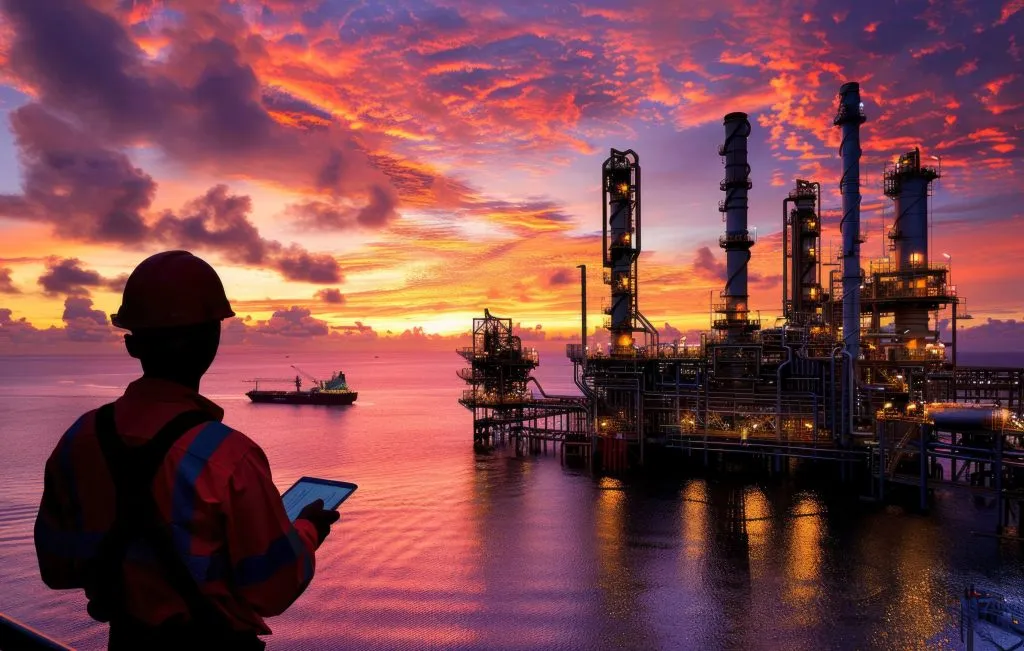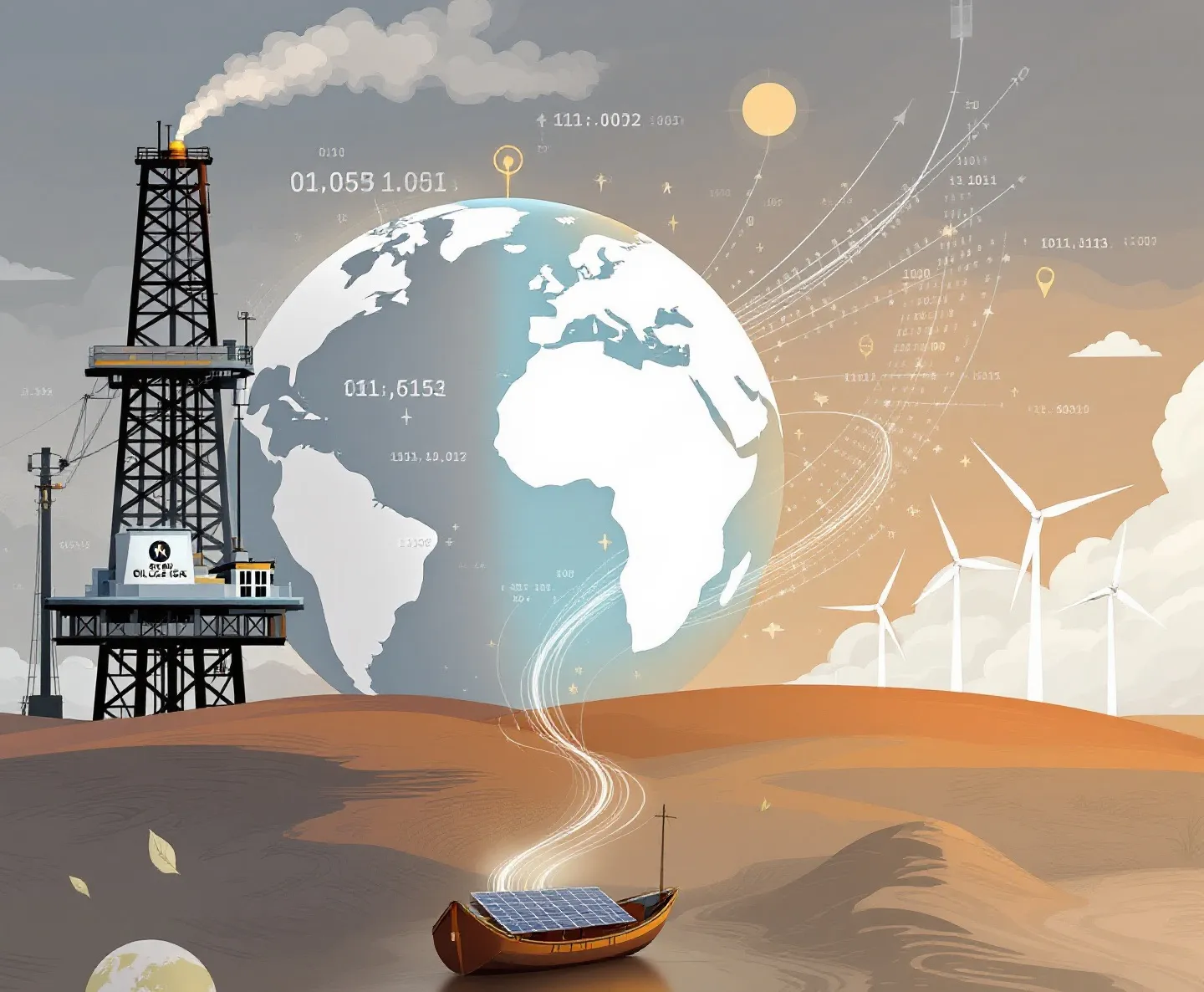
The oil and gas industry has been a cornerstone of the global economy for a long time — moving fuel for transport and heating, and supplying feedstocks for petrochemicals and other industrial applications around the world. But the ground under this sector is moving. Demand patterns are changing, alternative energy keeps taking share, and geopolitics keeps everyone on their toes. This article looks at those trends and what they mean for oil and gas.
Shifts in Global Energy Demand
Changing Consumption Patterns
Global energy demand is shifting at the structural level — not just rising and falling with the business cycle.
Impact of COVID-19 Pandemic
COVID-19 knocked the legs out from under global energy demand. Lockdowns and travel restrictions cut oil consumption hard. Add supply-side pressure and storage constraints, and you get an acute oversupply — and a price collapse that took crude into negative territory in April 2020, something the market had never seen. Demand came back as economies reopened. But the pandemic also sped up behavioral shifts — remote work, less business travel — that still shape energy consumption patterns.
Transportation Sector Dynamics
Transportation is still one of the biggest oil consumers on the board. But the shift toward electric vehicles (EVs) is underway — better technology and tightening environmental regulations are pushing it.
The Rise of Alternative Energy Sources
Growth of Renewable Energy
Solar, wind, and hydroelectric power keep gaining ground. Renewable generation costs have fallen steadily, so these sources now compete with fossil fuels in electricity generation, and their share of the global electricity mix keeps climbing.
Investment in Clean Energy
Capital keeps moving toward clean energy projects.
Government Policies and International Agreements
Governments are writing policies that back renewable deployment and setting carbon neutrality targets. Those policy signals speed up the broader energy transition — and they make the operating environment tougher for oil and gas.
Geopolitical Factors Impacting the Industry
OPEC+ Production Strategies
The Organization of the Petroleum Exporting Countries and its allies (OPEC+) remain the central force in global oil supply. Their collective production decisions still move oil prices and market stability, and they adjust as demand conditions and macroeconomic pressures change.
US Shale Production
The United States became a leading global oil producer on the back of the shale revolution. Domestic policy decisions and geopolitical developments affecting trade still feed through to US output — and from there to global supply and pricing.
Geopolitical Tensions and Conflicts
Political instability in oil-producing regions disrupts supply chains and brings price volatility with it. Conflicts in the Middle East, sanctions regimes affecting major producers, and tensions between major powers keep uncertainty on the table. If you operate in or source from those regions, supply security risk has to be actively managed.
Technological Advancements and Innovation
Enhanced Recovery Techniques
Advances in extraction technology — hydraulic fracturing, horizontal drilling, deepwater development — have put reserves on the books that were previously uneconomic. That widens the resource base. It also draws heightened environmental scrutiny and regulatory oversight.
Digitalization and Automation
The industry is pushing its digital transformation forward. Predictive maintenance, production optimization, and integrated data analytics across complex asset portfolios are the usual applications.
Carbon Capture and Storage (CCS)
Companies are investing in carbon capture and storage to cut greenhouse gas emissions from oil and gas operations.
Environmental Regulations and Sustainability Initiatives
Stricter Environmental Policies
Governments are tightening environmental regulations covering emissions, drilling practices, and waste management. Meeting them costs more. But legal compliance and the social license to operate depend on it.
Corporate Sustainability Commitments
Those commitments matter more and more for holding investor confidence and meeting the expectations of a broadening stakeholder base.
Impact of Climate Activism
Climate activism continues to shape public opinion and influence policy development. Stakeholder pressure is driving real changes in corporate strategy, with companies putting greater emphasis on sustainability, transparency, and rigorous environmental impact reporting.
Conclusion
The oil and gas industry is working through a complex, moving set of global market forces. Structural shifts in energy demand — changing consumption patterns, the growth of electric mobility — are challenging traditional oil demand trajectories. Renewable energy keeps expanding, helped by cost reductions and favorable policy environments, and that progressively alters the global energy mix.
Geopolitics keeps injecting volatility into markets. Production alliance decisions and regional instability move supply and price. Technological innovation cuts both ways — it expands production capabilities while demanding significant capital investment and careful environmental management.
Environmental regulations and sustainability expectations are redefining industry norms. Companies must balance commercial performance with environmental responsibility and evolving stakeholder expectations. Taken together, these trends point to a period of sustained transformation for the oil and gas sector.
Stakeholders who move with strategic agility — embracing innovation, managing geopolitical risk, integrating sustainability into core business strategy — will be best positioned to remain competitive through the energy transition.