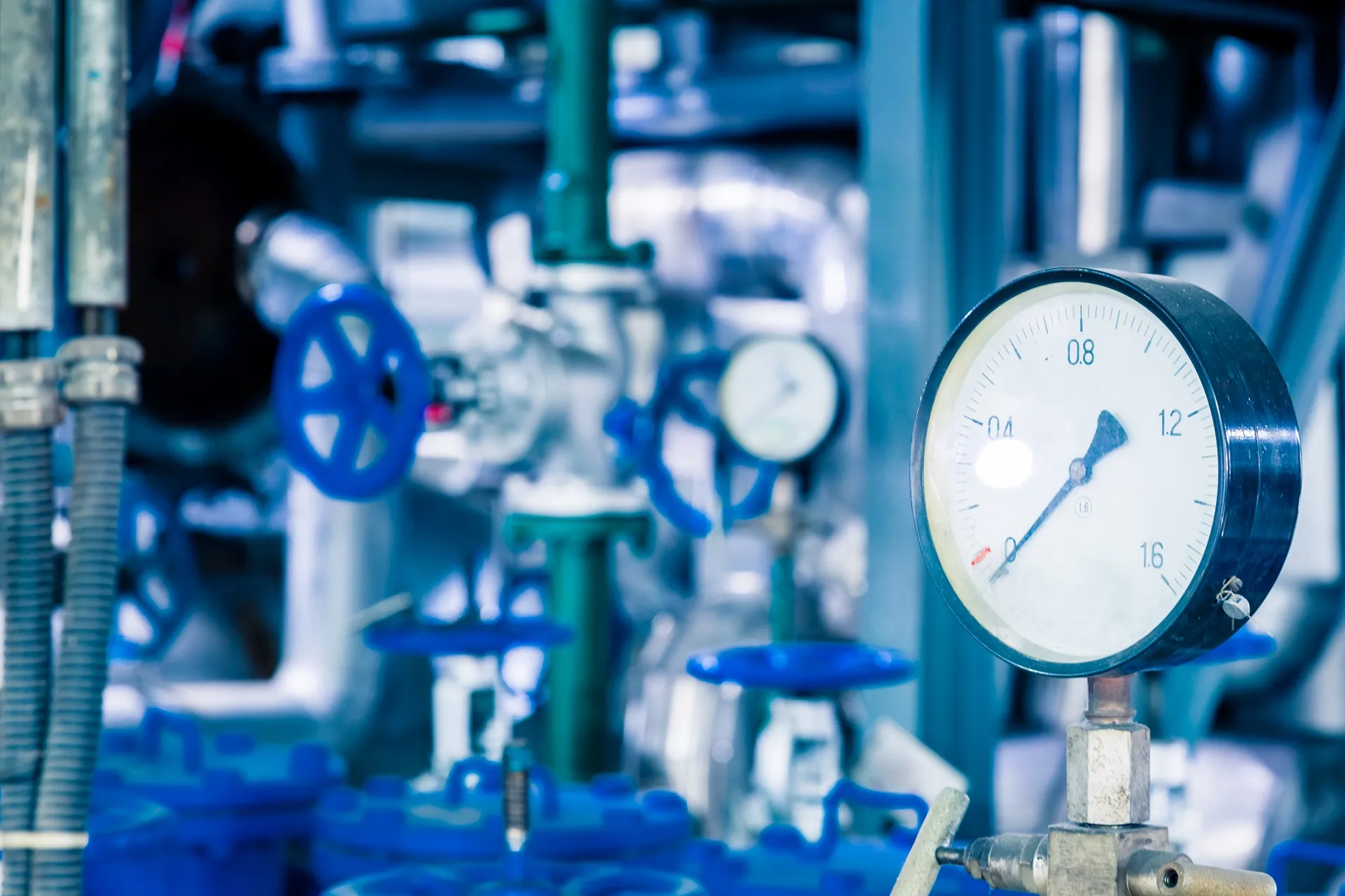
In the highly competitive and safety-critical oil and gas industry, maintaining optimal operational efficiency is paramount. Equipment failures can lead to significant production losses, safety hazards, and environmental risks. Traditional maintenance strategies often fall short in addressing the complex challenges of modern oil and gas operations. This is where Reliability-Centered Maintenance (RCM) comes into play. RCM is a proactive maintenance strategy focused on preserving system functions by identifying potential failure modes and prioritizing maintenance activities. Implementing RCM can meaningfully improve equipment uptime and enhance operational efficiency in oil and gas operations.
Understanding Reliability-Centered Maintenance (RCM)
What is RCM?
Reliability-Centered Maintenance is a systematic approach used to determine the maintenance requirements of physical assets in their operating context. It aims to ensure that systems continue to do what their users require in their present operating conditions. RCM focuses on identifying the functions of a system, the ways it can fail, and devising maintenance strategies to mitigate those failure modes.
History and Development of RCM
Initially developed in the late 1960s for commercial aircraft maintenance, RCM was introduced to address the maintenance needs of increasingly complex aircraft systems., RCM was introduced to address the maintenance needs of increasingly complex aircraft systems. The methodology is formally evaluated against criteria established in SAE JA1011, which specifies the requirements a process must satisfy to be recognized as RCM.
Core Principles of RCM
- Preserving System Functions: The primary objective is to maintain system functionality rather than simply maintaining individual pieces of equipment.
- Identifying Failure Modes: Understanding how equipment can fail helps in developing effective maintenance strategies.
- Prioritizing Maintenance: Maintenance activities are prioritized based on the consequences of failure.
- Optimizing Maintenance Strategies: Selecting the most appropriate maintenance tasks — preventive, predictive, or corrective — for each failure mode.
The Need for RCM in Oil and Gas Operations
Challenges in the Oil and Gas Industry
- Harsh Operating Environments: Equipment often operates under extreme temperatures, pressures, and corrosive conditions.
- Complex and Critical Equipment: Machinery is sophisticated and any failure can have significant implications.
- Safety and Environmental Risks: Failures can lead to accidents, endangering lives and causing environmental damage.
- Regulatory Compliance: Strict regulations require adherence to safety and maintenance standards.
Traditional Maintenance Approaches vs. RCM
Traditional maintenance strategies, such as reactive (fix it when it breaks) or time-based preventive maintenance, are not always effective in the oil and gas context. These approaches can lead to unnecessary maintenance, increased downtime, or unexpected failures. RCM offers a more targeted and efficient approach by focusing on critical equipment and the specific failure modes that matter most in a given operating context.
Implementing RCM in Oil and Gas Operations
Implementing RCM involves a systematic process that can be tailored to the specific needs of an oil and gas operation.
1. Assemble a Cross-Functional Team
Bringing together experts from operations, maintenance, engineering, and safety ensures a comprehensive understanding of the equipment and systems. Diverse perspectives are essential for a thorough functional analysis.
2. Define the System and its Functions
Document the system boundaries, functions, performance standards, and operating context. Understanding what the system is required to do — and to what performance standard — is the foundation of the entire RCM analysis.
3. Identify Potential Failure Modes
Analyze each component to determine how it can fail. Use tools such as Failure Modes and Effects Analysis (FMEA) to systematically identify potential failures and their root causes.
4. Evaluate Failure Consequences
Assess the impact of each failure mode on safety, operations, environment, and costs. This consequence evaluation drives the prioritization of maintenance activities and is central to the RCM decision logic.
5. Select Maintenance Strategies
Choose the most appropriate maintenance tasks for each failure mode:
- Preventive Maintenance: Scheduled maintenance based on time or usage intervals.
- Predictive Maintenance: Monitoring equipment condition — through vibration analysis, thermography, oil analysis, or other condition-monitoring techniques — to anticipate failures before they occur.
- Corrective Maintenance: Planned or unplanned repairs after a failure has occurred, appropriate where the consequences of failure are acceptable.
6. Implement and Monitor Maintenance Tasks
Execute the maintenance strategies and monitor their effectiveness. Adjustments may be necessary based on feedback, actual failure data, and changing operating conditions.
7. Continuous Improvement
RCM is an ongoing process. Regularly review and update maintenance strategies to reflect new data, equipment changes, and operational shifts. Living-program reviews ensure the analysis remains valid over the asset lifecycle.
Benefits of RCM in Improving Equipment Uptime
Minimizing Unplanned Downtime
Optimizing Maintenance Intervals
RCM enables more precise scheduling of maintenance activities, ensuring that equipment is serviced at the optimal time and avoiding both over-maintenance and under-maintenance.
Enhancing Equipment Reliability
Proactive identification and mitigation of potential failures lead to improved reliability of equipment and systems across the facility.
Illustrative Application
An offshore drilling operation applying RCM to critical equipment — including drilling rigs and blowout preventers — would systematically analyze failure modes for each asset, assign consequence categories, and tailor maintenance tasks accordingly. The result is a maintenance program driven by engineering analysis rather than arbitrary time intervals, with resources directed toward the failures that matter most.
Enhancing Operational Efficiency through RCM
Cost Savings
- Reduced Maintenance Costs: By eliminating unnecessary maintenance tasks, resources are used more efficiently.
- Lower Repair Expenses:
- Energy Efficiency: Well-maintained equipment operates more efficiently, reducing energy consumption.
Improved Safety and Environmental Compliance
- Preventing Accidents:
- Regulatory Compliance: A documented, consequence-based maintenance program supports compliance with regulatory requirements and industry standards such as those addressing safety instrumented systems (e.g., IEC 61511) and equipment-specific practices (e.g., API 610 for centrifugal pumps in petroleum service).
Optimizing Resource Allocation
RCM helps in directing maintenance resources where they are most needed, improving overall workforce productivity and reducing wasted effort on low-consequence tasks.
Challenges and Considerations in Implementing RCM
Cultural Resistance
Implementing RCM requires a shift from traditional maintenance practices, which may face resistance from personnel accustomed to established routines. Change management is as important as the technical analysis itself.
Training Requirements
Personnel need training in RCM principles and methodologies, including FMEA techniques and consequence categorization, which involves time and investment.
Data Availability and Quality
Effective RCM implementation relies on accurate data about equipment performance and failure history. Inadequate or incomplete data can limit the quality of the analysis and must be addressed early in the program.
Upfront Costs
Initial costs for training, analysis, and implementation can be substantial. These are offset by long-term reductions in unplanned downtime, emergency repair costs, and over-maintenance expenditure.
Strategies to Overcome Challenges
- Management Support: Leadership endorsing RCM encourages acceptance throughout the organization and ensures adequate resources are committed.
- Effective Communication: Clearly explaining the benefits and process of RCM helps in gaining buy-in from operations and maintenance teams.
- Pilot Programs: Starting with a pilot implementation on a well-understood system can demonstrate tangible results and build organizational confidence before broader rollout.
Conclusion
Reliability-Centered Maintenance offers a structured and effective approach to maintenance in oil and gas operations. By focusing on preserving system functions and prioritizing maintenance based on failure consequences, RCM improves equipment uptime and operational efficiency. Despite implementation challenges, the long-term benefits in terms of cost savings, safety enhancements, and regulatory compliance make RCM a valuable strategy for oil and gas companies aiming to optimize their operations.
Call to Action
For oil and gas operators seeking to enhance reliability and efficiency, adopting RCM is a strategic move. By investing in RCM implementation, companies can achieve meaningful improvements in equipment uptime, operational performance, and competitive advantage. Start exploring how RCM can be integrated into your maintenance programs to secure a more reliable and efficient future for your operations.