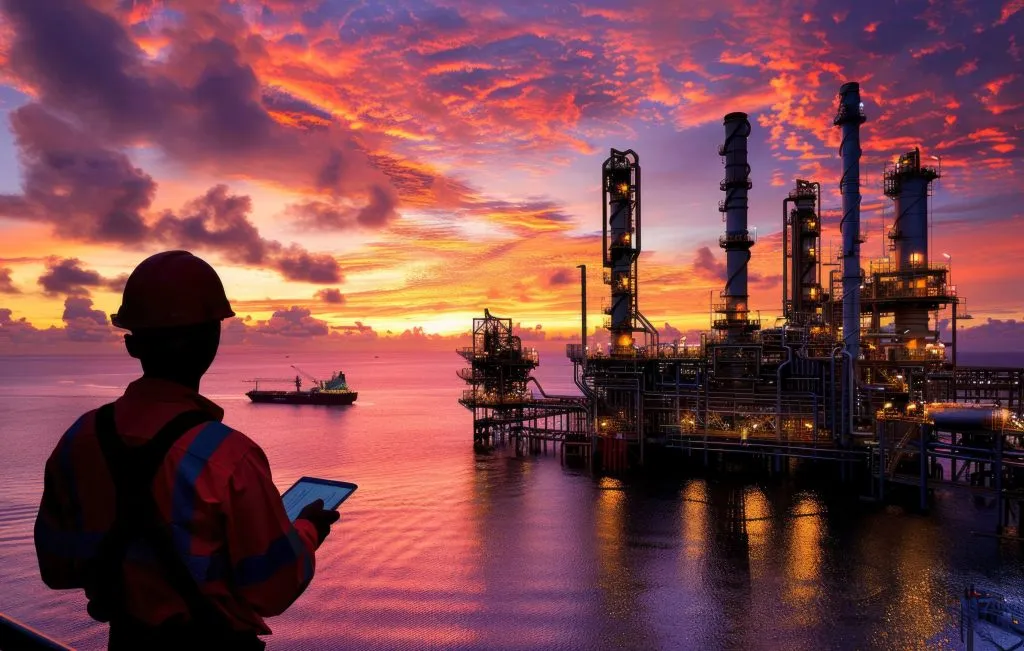
Embarking on a career in the oil and gas industry presents a wide range of opportunities and challenges. From understanding the sector's landscape to building the skills needed for your first role, this article covers key facets to help you find your footing in this dynamic field.
Understanding the Oil and Gas Industry
The oil and gas sector is a cornerstone of the global energy market, driving economies and influencing geopolitical landscapes. Its complexity and scale offer a broad spectrum of career opportunities, ranging from petroleum engineering to drilling, logistics, and an array of support services. These roles are critical in each phase of oil and gas production — from exploration through to distribution — and require diverse skill sets and expertise.
Petroleum engineering, one of the most prominent disciplines within the industry, focuses on the extraction of oil and natural gas from subsurface reservoirs. This field requires a solid grounding in geology, reservoir mechanics, and the technologies used to optimize recovery while managing costs and environmental impact. Drilling roles are more hands-on and involve the physical construction of wells to access oil and natural gas reserves. These positions demand rigorous safety training and a thorough knowledge of drilling equipment and techniques.
Beyond these technical roles, the industry relies heavily on logistics and support services to ensure smooth operations. Logistics roles encompass supply chain management, ensuring the efficient transport of crude oil to refineries and finished products to markets. Support functions — including human resources, information technology, and finance — form the operational backbone of oil and gas companies, enabling both large integrated majors and independent operators to function effectively.
The global reach of the oil and gas industry means it directly affects supply and demand dynamics worldwide, influencing national economies and household energy costs alike. The sector's evolution has been driven by technological advancement, which has increased the efficiency of extraction and processing while also introducing more rigorous environmental and safety standards.
This continuous innovation underscores the sector's substantial contribution to modern economies. Oil and gas remain primary energy sources, powering industries, heating homes, and fueling transportation. However, this central role brings with it the ongoing challenge of balancing energy supply with environmental and sustainability responsibilities — a challenge the industry is increasingly addressing through technology and a measured transition toward lower-carbon operations.
In summary, the oil and gas industry remains a dynamic and critical sector, offering diverse career opportunities that require a broad range of skills. Its evolution, shaped by technological advances and global energy demand, presents ongoing challenges and opportunities for professionals at every stage of their careers.
Preparing for a Career in Oil and Gas
Preparing for a career in oil and gas requires a clear understanding of the qualifications and competencies needed to succeed in this demanding sector. A degree in petroleum engineering is the primary technical foundation for professional roles in upstream operations. Related disciplines such as mechanical, chemical, or geoscience engineering can support entry, but typically require supplementary domain-specific training or certification to meet professional standards. This educational background develops the core principles and analytical skills that underpin efficient and safe oil and gas operations.
The sector values a combination of academic knowledge and practical experience. Beyond a degree, relevant certifications can meaningfully strengthen a candidate's profile. Safety qualifications are particularly important given the hazardous nature of many work environments. Safety qualifications specific to oil and gas operations are essential. These include training in hazard recognition, pressure systems, confined-space entry, and H₂S awareness, aligned with industry standards such as API RP 2A (offshore), API 580 (inspection), and IMCA guidelines. General occupational safety frameworks (such as OSHA in the US) provide baseline compliance but do not substitute for sector-specific preparation.
Proficiency in industry-specific software is increasingly sought after. Familiarity with reservoir simulation tools, wellbore planning platforms, and production optimization software signals readiness to contribute from an early stage and eases the transition from academic study to professional practice.
Gaining practical experience through internships or cooperative education programs during undergraduate study is highly valuable. These opportunities allow individuals to apply theoretical knowledge in real operational settings, building both competence and confidence.
The industry also places significant value on soft skills such as problem-solving, clear communication, and the ability to work effectively in multidisciplinary teams. These competencies can be developed through team-based academic projects, leadership roles in student organizations, and volunteer work.
Pursuing additional learning through workshops, seminars, and accredited online courses helps candidates stay current with evolving technologies and regulatory requirements. The industry's growing focus on emissions management, digital oilfield technologies, and process safety means that professionals who demonstrate awareness of these areas are well regarded.
Networking is a practical tool for uncovering opportunities. Joining professional associations, attending industry events, and engaging in technical forums can provide both insight and connections that support career entry and progression.
In summary, preparing for a career in oil and gas requires a focused effort to build the right combination of academic qualifications, certifications, practical experience, and interpersonal skills. Pursuing these in parallel significantly improves employability and lays a strong foundation for long-term career development.
Landing Your First Oil and Gas Job
Securing your first oil and gas position requires targeted effort and strategic planning. With the right qualifications and preparation in place, the next step is to develop an effective approach to entering the industry.
A well-constructed, targeted resume is essential. It should highlight your educational background, relevant certifications, and any specialized technical skills directly applicable to oil and gas — such as safety training or software proficiency. Tailor each application to the specific role by incorporating relevant terminology from the job description and focusing on achievements that demonstrate practical capability, including internships or field placements.
Internships and apprenticeships remain among the most effective routes into the industry. They provide hands-on exposure to real operations, help build a professional network, and demonstrate to employers that a candidate can function in a field environment.
Professional networking is equally important. Joining organizations such as the Society of Petroleum Engineers (SPE) provides access to technical resources, events, and a community of practitioners. Industry conferences and local chapter meetings are practical venues for meeting professionals, learning about current developments, and making yourself known to potential employers.
Sector-specific job fairs offer direct access to company representatives and the opportunity to submit applications in person. Preparing for these events — by researching participating companies, formulating relevant questions, and rehearsing a concise summary of your background and interests — maximizes their value.
Online job portals and company career pages are also important search tools. Many operators and service companies post openings directly on their websites or on industry-focused job boards. Monitoring these regularly and customizing each application to reflect the specific requirements of the role improves the quality of your submissions.
A proactive and structured approach — combining a targeted resume, practical experience, active networking, and diligent job searching — significantly improves the likelihood of securing your first position in this competitive but rewarding field.
Building a Successful Oil and Gas Career
Building a long-term career in oil and gas requires more than a strong start. The sector's technical complexity and evolving regulatory and commercial environment demand continuous professional development and a willingness to adapt.
Once established in an initial role, it is important to develop a clear view of available career pathways. The industry offers progression routes across technical disciplines — reservoir engineering, drilling, production, facilities, and integrity management — as well as into project management, commercial roles, and senior leadership. Understanding these options early helps professionals make deliberate choices about the experience and qualifications they pursue.
Ongoing education is central to advancement. Industry-recognized certifications and advanced degrees — in petroleum engineering, geosciences, or energy management — build both technical depth and leadership capability.
Staying informed about industry trends is equally important. The sector is shaped by geopolitical developments, commodity markets, environmental regulation, and technological change. Engaging regularly with technical publications, attending conferences, and participating in professional working groups keeps practitioners current and positions them to contribute meaningfully to their organizations.
Mentorship and professional relationships are powerful accelerators of career growth. Building connections with experienced colleagues, actively seeking mentors, and contributing to professional communities provides access to guidance, perspective, and opportunities that formal career structures alone cannot offer.
Demonstrating initiative — by taking ownership of challenging projects, contributing beyond the immediate scope of a role, and showing consistent commitment to safety and quality — builds visibility and reputation within an organization.
Geographical and functional mobility is often a feature of oil and gas careers. The global nature of the industry means that international assignments or moves between upstream, midstream, and downstream functions can significantly broaden experience and accelerate progression.
Finally, aligning personal career goals with the changing energy landscape is increasingly relevant. The sector's ongoing evolution — including the integration of digital technologies, emissions reduction requirements, and the broader energy transition — is creating new technical and commercial roles for professionals who are prepared to develop relevant skills.
Building a successful career in oil and gas is a long-term commitment. It requires continuous learning, deliberate professional development, strong relationships, and the adaptability to grow alongside a sector that continues to change.
Conclusions
With the right approach, a career in oil and gas can be both technically stimulating and professionally rewarding. Prioritizing skill development, building a strong professional network, and staying informed about industry developments are the foundations for navigating this complex and evolving sector successfully.