The oil and gas industry is a cornerstone of the global economy, fueling transportation, heating homes, and powering industries worldwide. At the heart of this industry are oil rigs—complex engineering structures that enable the extraction of oil and natural gas from beneath the Earth's surface. However, working on oil rigs is not without risks. The unique environment of oil rig operations presents numerous occupational health and safety challenges that must be meticulously managed to protect workers.
In this article, we examine the common health and safety hazards associated with oil rig operations and explore the measures that can be implemented to safeguard the well-being of workers. Understanding these hazards and the strategies to mitigate them is essential for anyone involved in the oil and gas sector, from frontline workers to industry stakeholders.
Overview of Oil Rig Operations
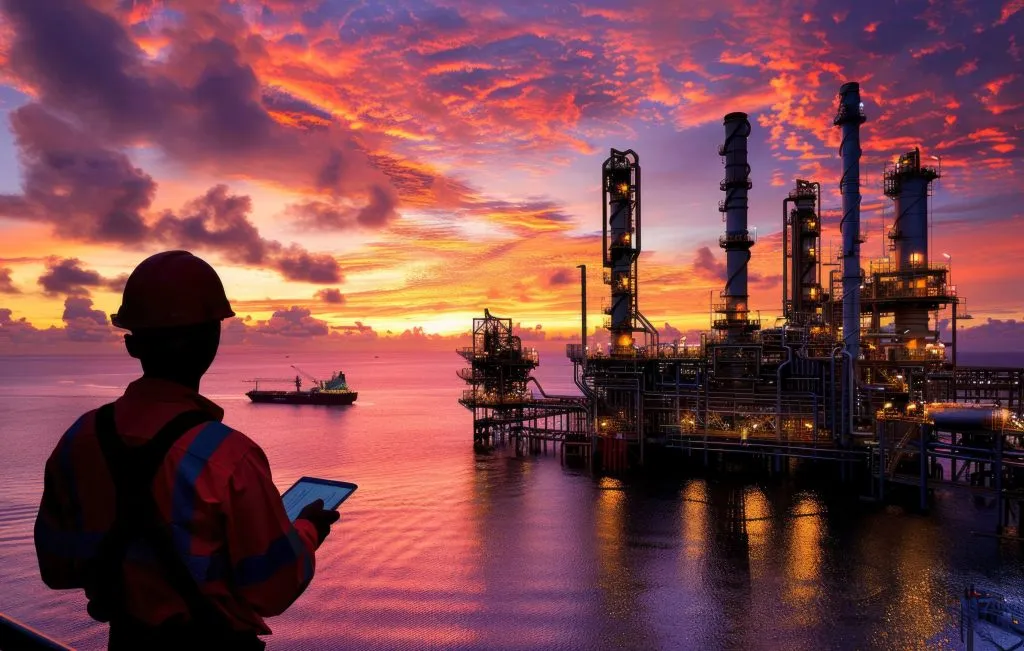
Oil rigs, also known as drilling rigs, are large structures with facilities to drill wells, extract oil and natural gas, and process the extracted materials. They can be located onshore (land-based) or offshore (situated in oceans or seas). Offshore oil rigs are particularly complex due to the challenging marine environment.
Oil rig operations involve a range of activities, including drilling, pressure control, fluid management, and equipment maintenance. who work together to ensure efficient and safe extraction processes.
The nature of these operations requires workers to perform physically demanding tasks, often in remote locations and under extreme weather conditions. These factors contribute to a high-risk work environment where occupational health and safety are paramount.
Common Health and Safety Hazards on Oil Rigs
Working on oil rigs exposes workers to a variety of hazards that can lead to serious injuries or illnesses if not properly managed. Below, we examine the most common health and safety hazards present in rig operations.
Physical Hazards
Heavy Machinery and Equipment
- Risk: Workers frequently interact with heavy machinery such as drills, cranes, and lifting equipment. There is a risk of crush injuries, entanglement, or being struck by moving equipment.
- Impact: Injuries can range from minor cuts and bruises to severe trauma or fatalities.
Slips, Trips, and Falls
- Risk: Oil rigs often have wet and slippery surfaces due to oil spills, drilling fluids, or weather conditions. Uneven surfaces and obstacles can also contribute to accidents.
- Impact: Falls can result in sprains, fractures, or head injuries.
Fire and Explosions
- Risk: The presence of flammable gases and liquids increases the risk of fires and explosions. Ignition sources such as sparks from equipment, hot work activities, or static electricity can ignite these materials. Hazardous area classification is managed under frameworks such as IEC 60079-14 (electrical installations design in explosive atmospheres). Control of ignition sources requires additional operational procedures and may reference multiple standards including IEC 60079 series and API guidelines.
- Impact: Fires and explosions can cause severe burns, respiratory damage, or fatalities.
Exposure to Extreme Weather Conditions
- Risk: Offshore rigs are exposed to harsh weather, including storms, high winds, and extreme temperatures.
- Impact: Hypothermia, frostbite, heat stress, or dehydration can affect workers' health.
Lifting and Manual Handling Injuries
- Risk: Manual handling of heavy loads can lead to musculoskeletal injuries.
- Impact: Back strains, hernias, and chronic musculoskeletal disorders may occur.
Chemical Hazards
Exposure to Hazardous Substances
- Risk: Workers may be exposed to chemicals such as drilling fluids, solvents, and hydrogen sulfide (H₂S) gas. H₂S is particularly dangerous due to its high toxicity at low concentrations and its tendency to impair the sense of smell at elevated levels.
- Impact: Chemical exposure can cause skin irritation, respiratory problems, or serious long-term health effects.
Inhalation of Toxic Fumes
- Risk: Vapors from volatile substances can be inhaled, especially in confined spaces or poorly ventilated areas.
- Impact: Acute poisoning, dizziness, or loss of consciousness may result.
Ergonomic Hazards
Repetitive Motions
- Risk: Performing the same tasks repeatedly can strain muscles and joints.
- Impact: Repetitive strain injuries and long-term musculoskeletal problems.
Prolonged Standing or Awkward Postures
- Risk: Workers often stand for long periods or work in challenging positions dictated by equipment layout.
- Impact: Circulatory issues, fatigue, and musculoskeletal pain.
Psychological Hazards
Stress Due to Long Working Hours and Shift Patterns
- Risk: Extended shifts, often 12 hours or more, and night work can lead to cumulative fatigue.
- Impact: Reduced alertness increases accident risk; chronic stress can affect mental health.
Isolation Due to Remote Locations
- Risk: Being away from family and social networks for extended periods can lead to feelings of isolation.
- Impact: Depression, anxiety, and decreased morale.
Biological Hazards
Exposure to Infectious Diseases
- Risk: Close living quarters on offshore installations increase the potential for spread of infectious diseases.
- Impact: Outbreaks of illnesses such as influenza or gastrointestinal infections.
Noise and Vibration
Excessive Noise Leading to Hearing Loss
- Risk: Continuous exposure to loud machinery—including draw-works, mud pumps, and generators—can damage hearing.
- Impact: Noise-induced hearing loss or tinnitus.
Vibration from Equipment Leading to Hand-Arm Vibration Syndrome
- Risk: Regular use of vibrating hand tools affects circulation and peripheral nerves.
- Impact: Numbness, tingling, and loss of dexterity in the hands.
Measures to Protect Workers
Addressing the hazards on oil rigs requires a comprehensive approach that includes prevention, protection, and promotion of a strong safety culture. The following are key measures to enhance occupational health and safety on oil rigs.
Safety Training and Education
- Regular Safety Drills: Conduct fire drills, evacuation exercises, and emergency response training to ensure workers are prepared for emergencies.
- Induction Training: New workers receive thorough training on safety procedures, equipment handling, and hazard awareness before commencing work.
- Ongoing Education: Regular workshops and refresher courses keep workers updated on safety protocols and best practices.
Personal Protective Equipment (PPE)
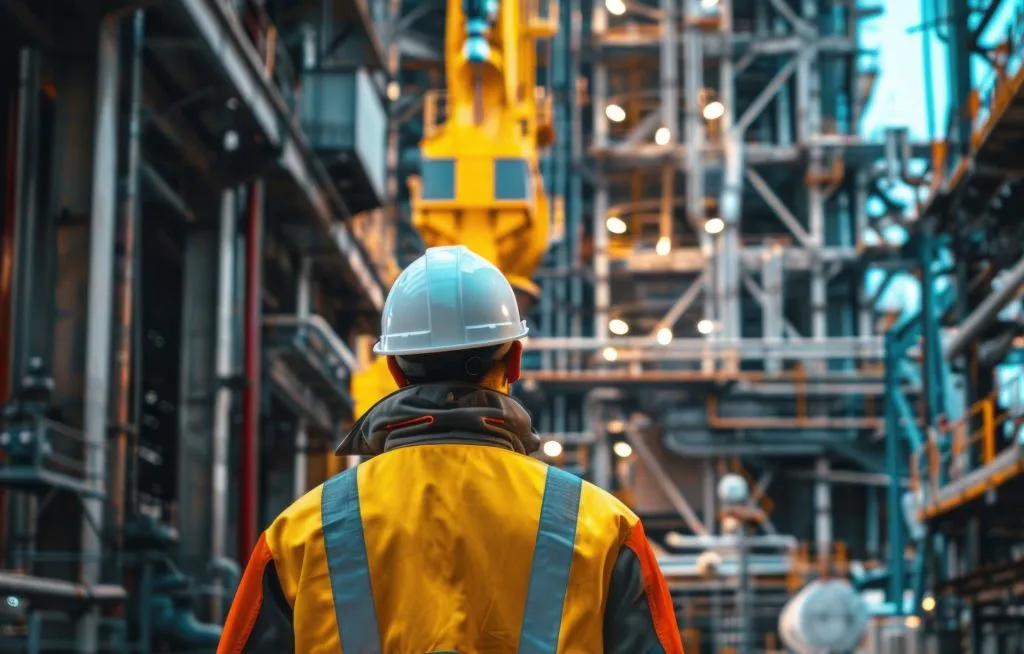
- Provision of PPE: Supply workers with appropriate PPE such as hard hats, safety glasses, gloves, steel-toed boots, and flame-resistant clothing. H₂S environments require calibrated gas detectors and, where concentrations may exceed safe limits, supplied-air breathing apparatus.
- Ensuring Proper Use: Train workers on the correct donning, use, and maintenance of PPE to maximize its effectiveness.
Safety Management Systems: Implement structured systems to manage safety, including policies, objectives, and performance measurements. For safety instrumented systems specifically, apply SIL evaluation techniques per ISA-TR84.00.02.
- Hazard Identification and Risk Assessment: Regularly assess the workplace to identify potential hazards and implement controls to mitigate risks, using established methodologies such as HAZID and HAZOP.
Equipment Maintenance and Inspection
- Routine Maintenance: Schedule regular maintenance of machinery and equipment in accordance with manufacturer specifications and applicable standards such as API 610 for rotating equipment, to ensure safe and reliable operation.
- Inspections: Conduct frequent inspections to detect faults or failures before they cause accidents.
Emergency Response Planning
- Emergency Procedures: Develop clear protocols for responding to emergencies such as fires, explosions, well control events, or medical incidents.
- Communication Systems: Install reliable communication systems for rapid coordination during emergencies.
- Rescue Equipment: Ensure availability of equipment including lifeboats, immersion suits, fire extinguishers, and first aid kits in accordance with applicable offshore installation regulations.
Health Monitoring
- Regular Health Check-ups: Monitor workers' health to detect early signs of occupational illnesses, including hearing assessments and respiratory function tests where relevant exposures exist.
- Fatigue Management: Implement work schedules that allow adequate rest and reduce fatigue-related risks, consistent with applicable regulatory requirements for hours of work.
Technological Innovations
- Automation and Remote Operations: Utilize technology to perform high-risk tasks—such as iron roughneck systems for pipe handling—reducing human exposure to mechanical hazards.
- Monitoring Systems: Install gas detection sensors, fire and gas systems, and alarms to detect leaks, fires, or equipment malfunctions promptly. Where these systems form part of a safety instrumented system, design and validate them in accordance with IEC 61511 functional safety requirements and assigned SIL.
Regulatory Compliance
- Adherence to Standards: Comply with applicable national and international safety regulations, including requirements from occupational safety and health authorities and industry bodies such as the API and IOGP.
- Audits and Inspections: Participate in regular audits by regulatory bodies and conduct internal audits to verify and maintain compliance.
Promoting a Safety Culture
- Management Commitment: Leadership must prioritize safety, allocate adequate resources, and visibly demonstrate commitment through behavior.
- Worker Engagement: Encourage workers to report hazards, near misses, and unsafe conditions without fear of reprisal.
- Recognition and Rewards: Acknowledge and reward safe behaviors and contributions to improving safety practices.
Mental Health Support
- Counseling Services: Provide access to mental health professionals, including confidential employee assistance programs accessible from remote locations.
- Stress Management Programs: Offer programs that help workers develop coping strategies and build resilience.
- Recreational Facilities: Equip rigs with recreational amenities to improve morale and overall well-being during extended rotations.
Conclusion
Occupational health and safety on oil rigs are critical components of successful oil and gas operations. By understanding the common hazards and implementing comprehensive measures to mitigate them, the industry can protect its most valuable asset—its workers. A genuine commitment to safety not only prevents accidents and illnesses but also supports productivity, morale, and the long-term sustainability of operations.
As oil rig operations continue to evolve with technological advancements, ongoing commitment to safety through education, innovation, and regulatory compliance remains essential. Stakeholders at all levels must collaborate to foster a safety culture that prioritizes the well-being of every individual working in this challenging yet vital industry.
Frequently Asked Questions (FAQs)
Q1: What are the most common accidents on oil rigs?
A1:
Q2: How can workers protect themselves from chemical exposure on oil rigs?
A2: Workers should use appropriate personal protective equipment such as gloves, respiratory protection, and protective clothing. Employers should provide training on safe chemical handling, ensure adequate ventilation, and conduct regular monitoring of air quality, particularly for H₂S and other toxic gases.
Q3: Why is fatigue a significant concern in oil rig operations?
A3: Fatigue reduces alertness and reaction time, increasing the risk of accidents. Managing work schedules and ensuring adequate rest periods are essential to mitigate this risk.
Q4: What role does safety training play in reducing accidents on oil rigs?
A4: Safety training equips workers with the knowledge and skills to recognize hazards, follow safety procedures, and respond appropriately in emergencies. Regular training helps maintain a high level of safety awareness and compliance with established protocols.
Q5: How does technology contribute to improving safety on oil rigs?
A5: Technological innovations such as automated pipe-handling equipment, remote monitoring, and advanced gas detection systems reduce human exposure to hazardous tasks, enable early identification of risks, and enhance communication during emergencies, thereby improving overall safety.
Q6: What regulations govern occupational health and safety on oil rigs?
A6: Regulations vary by country but typically include requirements from national occupational safety and health authorities, offshore installation regulators, and internationally recognized standards from bodies such as the API and IEC. Operators must identify and comply with all applicable legislation in each jurisdiction where they operate.
Q7: How important is mental health support for oil rig workers?
A7: Mental health support is crucial given the stressful nature of the work, physical isolation, and extended periods away from home. Providing access to counseling services and fostering a supportive work environment helps maintain the mental well-being of workers.
Q8: What is a safety culture, and how can it be promoted on oil rigs?
A8: A safety culture is a work environment where safety is a fundamental value shared at every level, and everyone is committed to maintaining it. It can be promoted through visible management leadership, active employee involvement, open and non-punitive communication about hazards, and continuous improvement in safety practices.
Q9: Can ergonomic interventions reduce the risk of injury on oil rigs?
A9: Yes. Ergonomic interventions such as designing workstations to fit workers' physical requirements, providing mechanical aids for heavy lifting, and training workers in proper body mechanics can significantly reduce musculoskeletal injuries.
Q10: What emergency response measures should be in place on oil rigs?
A10: Emergency response measures should include clear and practiced evacuation procedures, regular drills covering a range of scenarios, accessible and maintained emergency equipment, trained emergency response teams, and reliable communication systems to coordinate actions during incidents.