In the dynamic and demanding oil and gas industry, equipment reliability is paramount. Predictive maintenance powered by data analytics and condition monitoring technologies is revolutionizing how companies foresee and prevent equipment failures. This article delves into how these advanced strategies enhance equipment reliability and operational efficiency.
Introduction
The oil and gas industry operates under high-stakes conditions where equipment failure can lead to significant financial losses, environmental hazards, and safety risks. Traditional maintenance approaches—reactive and preventive—are no longer sufficient to meet the industry's evolving demands. Enter predictive maintenance, a proactive strategy that utilizes data analytics to forecast equipment malfunctions before they occur.
Understanding Predictive Maintenance
Predictive maintenance is a technique that monitors the condition and performance of equipment during normal operation to reduce the likelihood of failures. By analyzing data collected from various sensors, it predicts when a piece of equipment might fail, allowing for timely maintenance.
Benefits Over Traditional Maintenance Strategies
- Reduced Downtime:
- Cost Efficiency: Prevents unnecessary maintenance tasks, saving on labor and parts.
- Extended Equipment Lifespan: Timely interventions prevent minor issues from escalating, prolonging equipment life.
- Enhanced Safety: Reduces the risk of accidents caused by sudden equipment failures.
The Role of Data Analytics in Predictive Maintenance
Data analytics is the backbone of predictive maintenance. It involves collecting vast amounts of data from equipment and processing this information to identify patterns or anomalies that indicate potential failures.
Data Collection
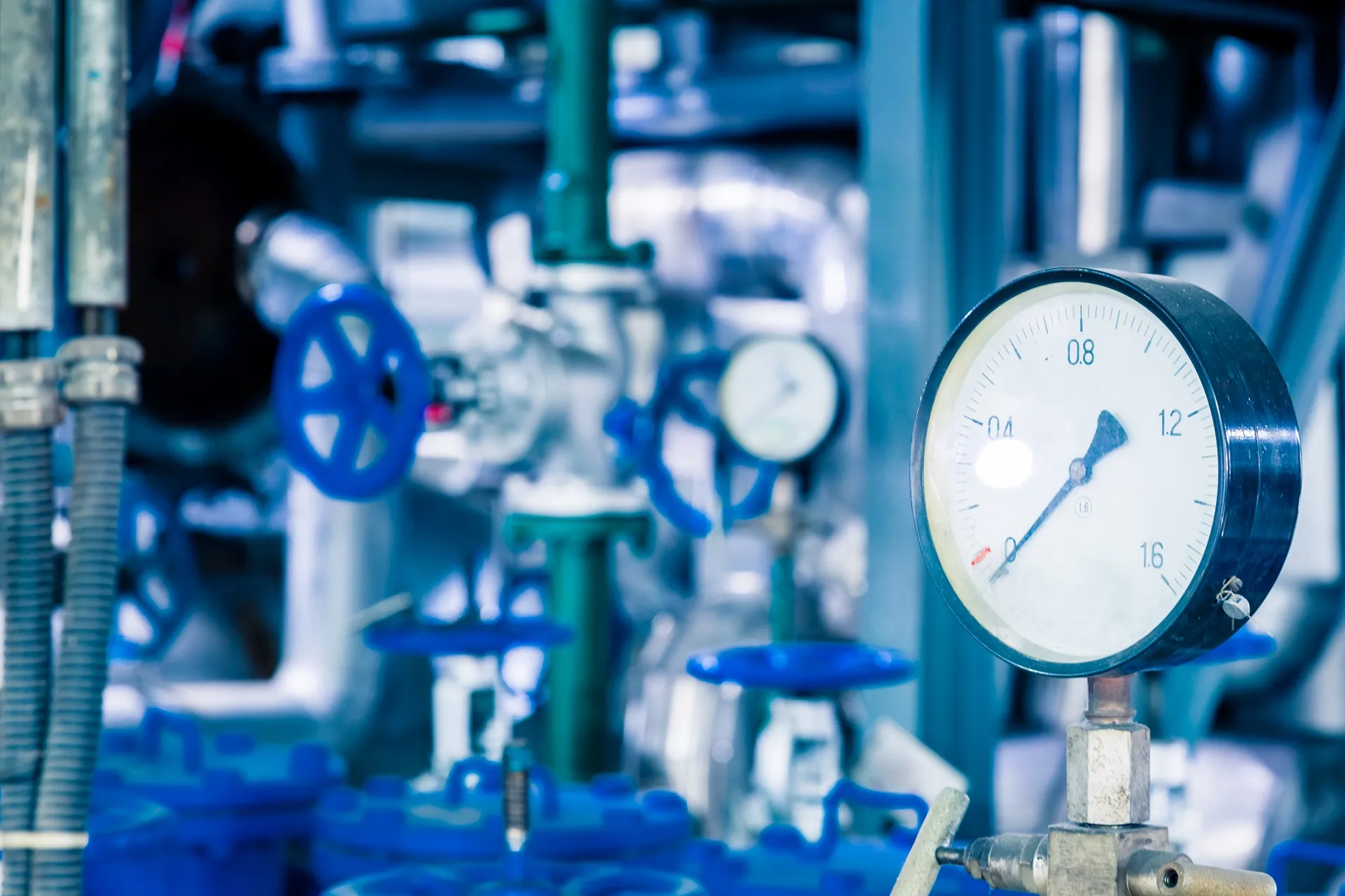
Modern equipment is often equipped with sensors that monitor:
- Vibration Levels
- Temperature
- Pressure
- Flow Rates
- Acoustic Signals
Data Processing and Analysis
Advanced analytics software processes this data in real-time. Key components include:
- Descriptive Analytics: Understands what is happening with the equipment.
- Diagnostic Analytics: Determines why an anomaly is occurring.
- Predictive Analytics: Forecasts future equipment behaviors and potential failures.
- Prescriptive Analytics: Suggests actionable solutions to prevent failures.
Machine Learning and AI
Machine learning algorithms enhance predictive maintenance by:
- Learning From Data: Continuously improving prediction accuracy as more data is collected.
- Pattern Recognition: Identifying complex patterns that may not be apparent to human analysts.
- Anomaly Detection: Spotting deviations from normal operating conditions swiftly.
Condition Monitoring Technologies
Condition monitoring is integral to predictive maintenance, providing the necessary data for analysis.
Types of Sensors and Monitoring Equipment
- Vibration Sensors: Detect misalignments, imbalances, or bearing failures.
- Thermal Cameras: Identify overheating components.
- Ultrasonic Detectors: Capture sounds outside human hearing that indicate equipment issues.
- Oil Analysis Sensors: Monitor lubrication oil for contaminants or degradation.
Online vs. Offline Monitoring
- Online Monitoring: Real-time data collection for critical equipment, enabling immediate analysis and response.
- Offline Monitoring: Scheduled data collection for non-critical equipment, analyzed periodically.
Predicting Equipment Failures Before They Occur
By integrating data analytics with condition monitoring, companies can predict failures with significantly greater lead time than traditional inspection intervals allow.
The Predictive Maintenance Process
- Data Acquisition: Continuous collection of equipment data via sensors.
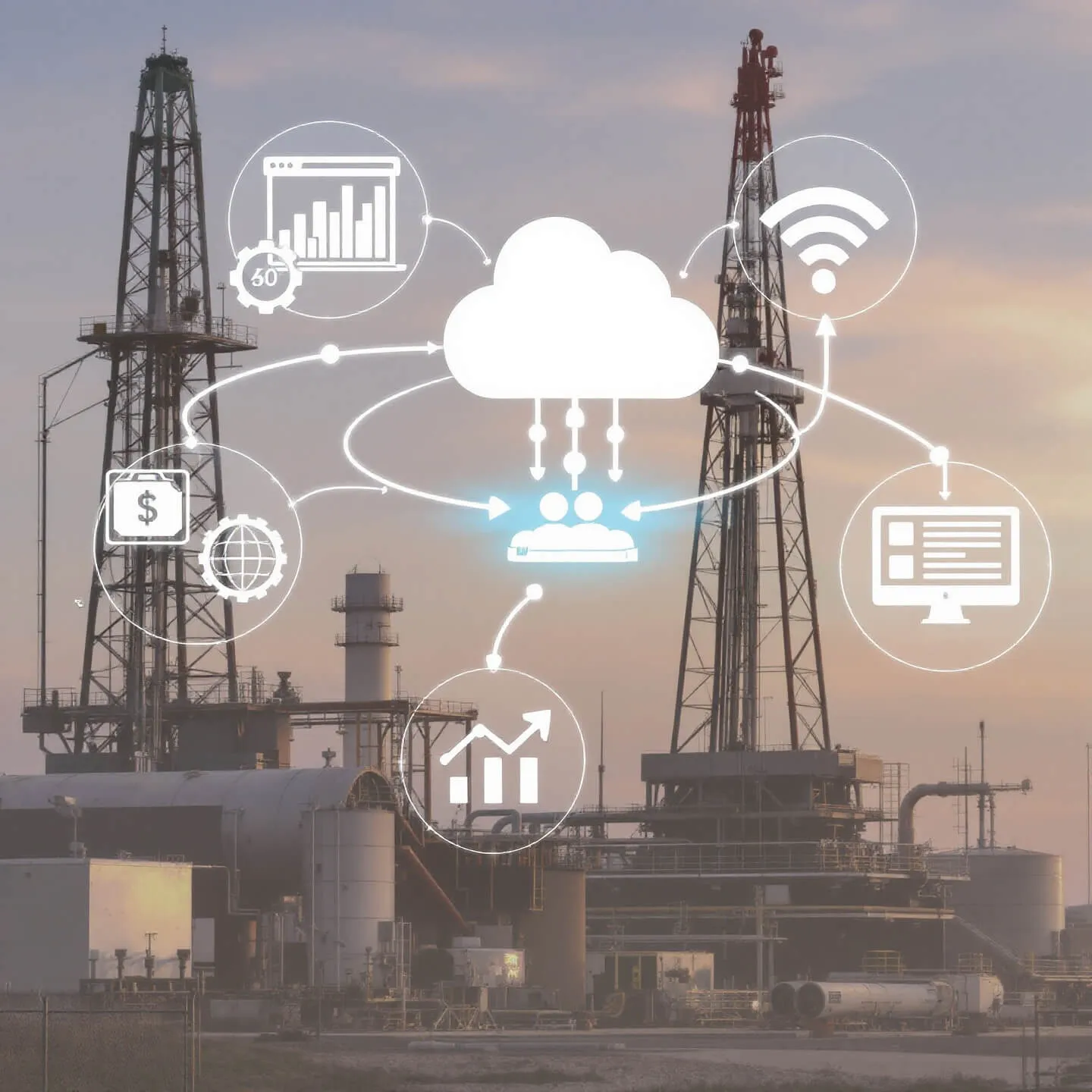
- Data Transmission: Secure transfer of data to analysis systems, often through IIoT platforms.
- Data Storage: Utilizing cloud or on-premises storage solutions for scalability and data integrity.
- Data Analysis: Applying algorithms to detect signs of wear or impending failure.
- Maintenance Scheduling: Automatically generating maintenance alerts and scheduling interventions.
Applications in the Oil and Gas Industry
- Offshore Drilling Equipment:
- Pipeline Monitoring:
- Refinery Operations:
Benefits Specific to the Oil and Gas Industry
Predictive maintenance offers several advantages tailored to the unique challenges of the oil and gas sector.
Enhanced Operational Efficiency
- Optimized Production: Ensures equipment operates at peak performance.
- Supply Chain Management: Better planning for parts and maintenance resources.
Safety and Environmental Protection
- Accident Prevention: Early detection reduces the risk of catastrophic failures. Compliance: Helps meet regulatory requirements for process safety and environmental protection. Predictive maintenance can support the reliability of safety instrumented systems, but functional safety compliance is governed by standards such as IEC 61511, which addresses the design and lifecycle of Safety Instrumented Systems.
Financial Advantages
- Cost Reduction: Eliminates unnecessary scheduled maintenance tasks and reduces emergency repair expenditure.
- Investment Protection: Protects capital investments in expensive equipment.
Challenges and Considerations
Implementing predictive maintenance is not without its challenges.
Data Management
- Data Overload: Handling large volumes of data requires robust IT and OT infrastructure.
- Data Quality: Ensuring accuracy, consistency, and calibration integrity of data collected from sensors.
Integration
- Compatibility: Integrating new monitoring systems with legacy equipment and control systems.
- Standardization: Adhering to industry standards for data formats, communication protocols, and cybersecurity.
Skill Requirements
- Training: Developing staff expertise in data analytics, condition monitoring, and maintenance technologies.
- Change Management: Shifting organizational culture towards proactive maintenance strategies.
Future Trends in Predictive Maintenance
The evolution of technology continues to enhance predictive maintenance capabilities.
The Rise of the Industrial Internet of Things (IIoT)
- Connectivity: Increased networking of devices for seamless data exchange across facilities.
- Edge Computing: Processing data closer to the source reduces latency and bandwidth demands.
Advances in Artificial Intelligence
- Deep Learning: More sophisticated models capable of handling high-dimensional sensor data for better predictions.
- Cognitive Computing: Systems that can reason over complex operational contexts and provide insights to support human decision-making.
Cloud Computing
- Scalability: Access to scalable storage and processing power without large upfront infrastructure investment.
- Collaboration: Enables sharing of insights and models across different locations and operational teams.
Conclusion
Predictive maintenance represents a significant advancement in maintaining equipment reliability within the oil and gas industry. By leveraging data analytics and condition monitoring technologies, companies can identify equipment degradation before it escalates into failure. This proactive approach enhances operational efficiency and safety while reducing unnecessary maintenance expenditure. As IIoT connectivity, artificial intelligence, and cloud platforms continue to mature, embracing predictive maintenance will be essential for companies aiming to remain competitive in this demanding industry.
Implementing predictive maintenance is a strategic investment that offers tangible benefits. By predicting equipment failures before they occur, oil and gas companies can ensure continuous, safe, and efficient operations. It's time to harness the power of data analytics to drive operational excellence.