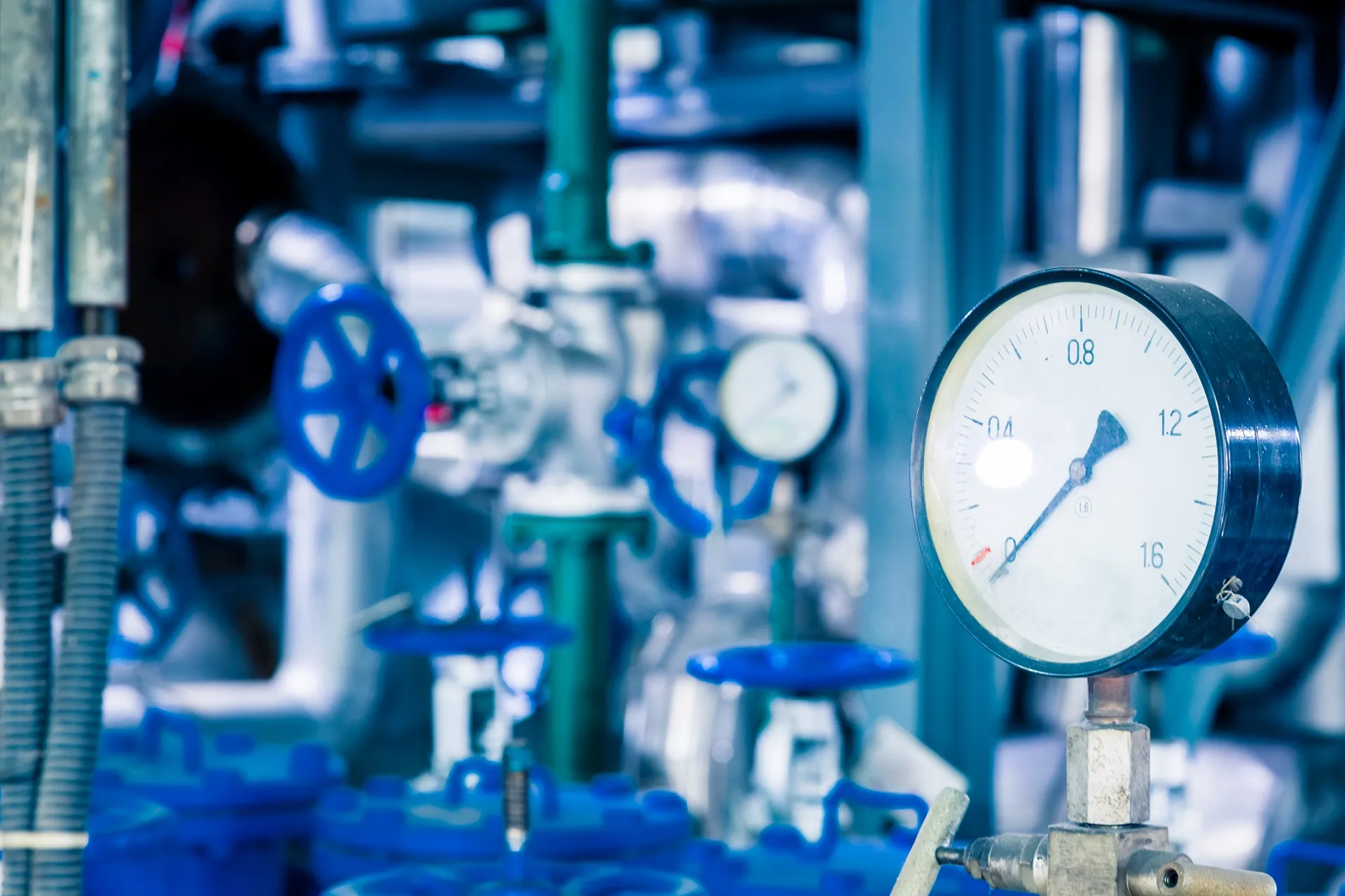
Operational efficiency and reliability are what keep plants running and budgets intact. Oil and gas, manufacturing, and energy all lean on complex systems and equipment that have to run continuously to meet market demand. When something trips unexpectedly, the cost shows up fast: lost production, safety exposure, reputation damage. Reliability engineering is the discipline that addresses that. Apply its principles and organizations can improve performance, cut downtime, and make operations more effective overall.
Understanding Reliability Engineering
Reliability engineering is a specialized engineering field. Its job: make sure a system or component does what it is supposed to do, for a set period, under stated conditions. It uses scientific knowledge, mathematical models, and engineering practices to predict, prevent, and manage failures across the product life cycle.
Key Objectives of Reliability Engineering
- Failure Prevention: Find likely failure modes and put controls in place before they bite.
- Life Cycle Cost Reduction: Tune maintenance and operation spending over the equipment's life.
- Safety Enhancement: Cut accident risk by keeping equipment reliable.
- Performance Improvement: Get more out of the system by making it more reliable.
Principles of Reliability Engineering
-
Design for Reliability — Build reliability in from day one. That means choosing the right components, adding redundancy where it earns its keep, and hitting or beating reliability requirements.
-
Failure Modes and Effects Analysis (FMEA) — A systematic way to find potential failure modes, assess their effects, and rank mitigation work. Do it early and you stop failures before they happen.
-
Reliability Centered Maintenance (RCM) — A structured process for choosing the most effective maintenance strategy based on reliability. It protects system functions by going after root causes, not just symptoms.
-
Statistical Reliability Modeling — Statistical methods model component and system reliability. Weibull analysis, for example, helps predict failure rates and understand failure mechanisms.
-
Lifecycle Analysis — Look at the whole life: design, development, operation, decommissioning. That keeps reliability from falling apart over the system's lifespan.
-
Continuous Improvement — Reliability work never really stops. Operations data and failure events feed iterative changes to the system and maintenance practices.
Application of Reliability Engineering to Improve Performance and Reduce Downtime
Put reliability engineering principles to work and operational performance usually moves. Here’s how those principles get used in practice.
1. Proactive Maintenance Strategies
Traditional maintenance is often reactive — fix it after it breaks. Reliability engineering pushes proactive work, such as:
- Predictive Maintenance: Use real-time data and sensors to see when equipment is likely to fail and do maintenance at the right time.
- Preventive Maintenance: Schedule regular tasks by time or usage intervals to stop failures.
Benefits:
- Fewer surprise equipment failures.
- Less downtime because maintenance is planned for non-critical windows.
- Longer equipment life because wear doesn't get out of hand.
2. Root Cause Analysis
When a failure does happen, reliability engineering uses root cause analysis (RCA) to find the underlying reason. Fix that, and it won't keep coming back.
Benefits:
- Better system reliability by removing fundamental issues.
- Better safety by finding and mitigating hazards.
- Better efficiency by clearing problems that drag performance down.
3. Reliability Testing and Modeling
Reliability testing puts components or systems under defined stressors to expose weak points. Modeling predicts how systems will behave across operating conditions.
Benefits:
- Shows potential failure points and system behavior.
- Helps design robust systems that can take operational stress.
- Supports decisions on component selection and system design.
4. Redundancy and Fault Tolerance
Redundancy means backup components or systems that can take over when something fails. Fault-tolerant designs keep a system running even when parts of it fail.
Benefits:
- Higher system availability and reliability.
- Less impact from individual component failures.
- Critical where unplanned downtime is not acceptable.
5. Lifecycle Management
Consider reliability across the whole lifecycle, and you can make better calls on when to upgrade, replace, or decommission equipment.
Benefits:
- Lower costs by balancing maintenance spend against new technology benefits.
- Prevents obsolescence from disrupting operations.
- Supports compliance with changing safety and environmental rules.
Reliability Engineering in the Oil and Gas Industry
The oil and gas industry leans hard on reliability engineering. Downtime is expensive, and equipment failures can bring safety and environmental consequences.
Importance in Oil and Gas
- Complex Operations: Offshore platforms, pipelines, and refineries are intricate systems. A failure can cascade.
- Harsh Environments: Equipment sees extreme temperature, pressure, and corrosive exposure. That raises failure risk.
- Safety and Environmental Risks: Failures can turn into catastrophic incidents. Reliability is a safety concern.
Applications
-
Asset Integrity Management — Keep assets doing their required jobs effectively and efficiently while protecting health, safety, and the environment.
-
Pipeline Reliability — Monitor and maintain pipelines to prevent leaks and ruptures. Use corrosion monitoring and integrity assessments.
-
Equipment Reliability — Run maintenance programs for critical equipment such as compressors, turbines, and drilling rigs to prevent failures.
-
Process Safety Management — Fold reliability engineering into safety management systems to prevent accidents from equipment failures. Functional safety standards such as
IEC 61511set requirements for design, implementation, and management of Safety Instrumented Systems (SIS) in the process sector, including SIL determination, proof testing, and safety lifecycle management to prevent hazardous failures.
Implementation of Reliability Engineering:
- Conducted FMEA on critical drilling equipment.
- Implemented RCM to optimize maintenance schedules.
- Installed sensors for real-time condition monitoring.
- Trained staff on reliability best practices.
Results:
- Reduced Downtime:
- Cost Savings:
- Improved Safety:
Benefits of Reliability Engineering
-
Increased Operational Efficiency — Reliable equipment and systems mean fewer interruptions, smoother operations, and production targets that get met consistently.
-
Cost Reduction — Prevent failures and optimize maintenance, and you cut repair costs, extend equipment life, and avoid unplanned downtime expenses.
-
Enhanced Safety — Reliability engineering lowers accident risk from equipment failures, protecting workers and the environment.
-
Regulatory Compliance — Reliable operations help companies meet regulatory requirements and avoid fines and legal issues.
-
Competitive Advantage — Companies known for reliable operations can win better contracts, negotiate favorable terms, and improve market reputation.
Challenges in Implementing Reliability Engineering
- Data Availability: Accurate analysis needs reliable data. Incomplete or inaccurate data slows reliability work.
- Cultural Resistance: Moving from reactive to proactive maintenance takes change management and real staff buy-in.
- Initial Costs: Reliability programs can require significant upfront investment in technology and training.
Best Practices for Successful Reliability Engineering
-
Executive Support — Leadership has to commit resources and set priorities.
-
Cross-Functional Teams — Engineering, maintenance, operations, and safety teams need to work together for complete reliability strategies.
-
Continuous Training — Keep staff current on reliability principles and techniques.
-
Technology Integration — Use advanced technologies such as the Internet of Things (IoT), machine learning, and data analytics to improve predictive capability and support condition-based maintenance.
-
Performance Metrics — Track KPIs such as Mean Time Between Failures (MTBF) and Overall Equipment Effectiveness (OEE) to measure reliability initiative effectiveness.
Future Trends in Reliability Engineering
-
Digitalization and Industry 4.0 — Digital tech is changing reliability engineering. Real-time monitoring, big data analytics, and artificial intelligence allow more precise failure predictions and earlier proactive interventions.
-
Remote Monitoring — Useful in remote or hazardous environments. It cuts the need for people in dangerous areas, improving safety and operational efficiency.
-
Sustainability Focus — Reliability engineering is increasingly tied to sustainability goals, so operations are efficient and environmentally responsible and comply with emissions and discharge regulations.
Conclusion
Reliability engineering is a vital part of improving operational performance across many industries, especially oil and gas where failure consequences are severe. Apply its principles and organizations can cut downtime, improve safety, optimize costs, and gain a competitive edge. Good reliability engineering is not just failure prevention. It builds operations that stay resilient and keep performing in a demanding, dynamic industrial environment.