In the complex and energy-intensive world of oil and gas operations, the design of electrical systems plays a pivotal role in ensuring efficiency, reliability, and safety. As the industry faces increasing pressures from rising operational costs, stringent environmental regulations, and the need for uninterrupted production, optimizing electrical systems becomes essential. This article explores the principles and strategies for designing electrical systems that enhance efficiency and reliability in oil and gas facilities.
The Importance of Electrical Systems in Oil and Gas Operations
Electrical systems are the backbone of oil and gas facilities, powering everything from exploration and drilling equipment to processing plants and distribution networks. Efficient electrical system design can lead to significant cost savings, reduced environmental impact, and improved operational performance. Conversely, poorly designed systems can result in energy wastage, frequent downtimes, and increased safety hazards.
Key Roles of Electrical Systems:
- Powering Critical Equipment: Motors, pumps, compressors, and other heavy machinery rely on a robust electrical supply.
- Ensuring Safety: Proper electrical design minimizes risks of electrical faults, fires, and explosions.
- Enhancing Productivity: Reliable electrical systems reduce downtimes, maintaining continuous operations.
Challenges in Electrical System Design for Oil and Gas Facilities
Designing electrical systems for oil and gas facilities presents unique challenges due to the harsh operating environments, remote locations, and the need for compliance with strict industry standards.
Common Challenges:
- Harsh Environmental Conditions: Extreme temperatures, moisture, and corrosive substances can affect equipment performance and longevity.
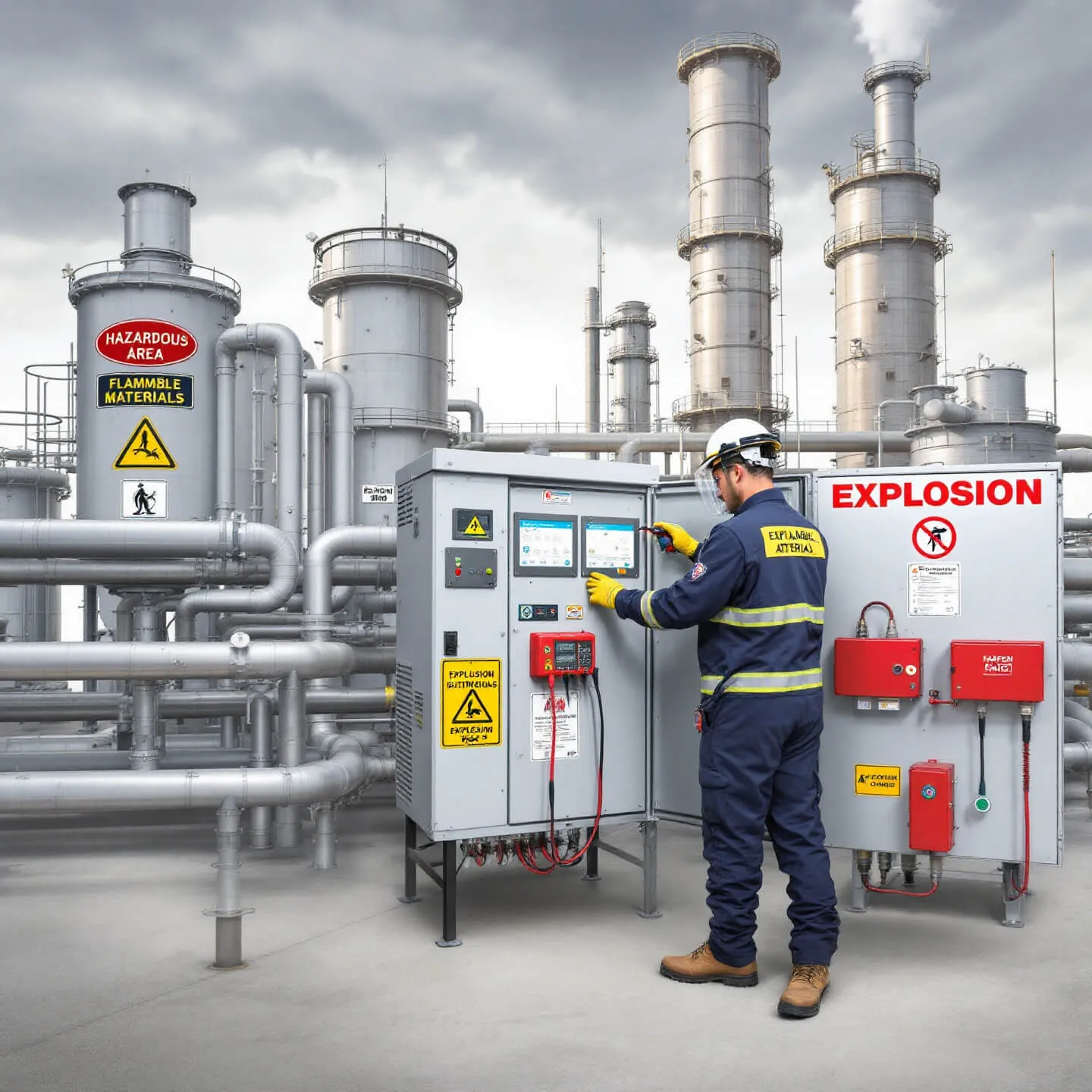
- Explosive Atmospheres: The presence of flammable gases and liquids requires specialized equipment and protection methods in accordance with hazardous area classification requirements.
- Remote Locations: Facilities often lack access to stable power grids, necessitating on-site power generation and islanded operation capability.
- Regulatory Compliance: Adherence to local and international electrical codes and standards is mandatory.
Principles of Designing Efficient Electrical Systems
To overcome these challenges, engineers must apply core principles focused on energy efficiency, reliability, safety, and scalability.
1. Energy Efficiency
Optimizing energy consumption reduces operational costs and environmental impact. This involves selecting high-efficiency equipment, minimizing losses in the system, and implementing energy management practices.
2. Reliability and Safety
Ensuring uninterrupted power supply and safeguarding against faults is crucial. Incorporating redundancy, fail-safes, and protection devices enhances system reliability and personnel safety.
3. Scalability and Flexibility
Designs should accommodate future expansions and technological advancements without significant overhauls, providing long-term value.
4. Compliance with Standards and Regulations
Adhering to standards such as NFPA 70, IEC 60079-14, API RP 500 (or API RP 505 for onshore), and applicable API equipment standards ensures safety and legal compliance across both domestic and international projects.
Strategies for Enhancing Efficiency in Electrical System Design
Implementing effective strategies can significantly improve the efficiency of electrical systems in oil and gas facilities.
Use of High-Efficiency Equipment
Selection of Energy-Efficient Motors and Drives
- High-Efficiency Motors: Utilize motors that meet IE3 or IE4 efficiency classes as defined by IEC 60034-30-1 to reduce energy consumption.
- Variable Frequency Drives (VFDs): Implement VFDs to control motor speeds according to process demands, reducing energy draw during partial-load operation.
Transformers and Generators
- Low-Loss Transformers: Choose transformers with low no-load (core) and load (copper) losses, evaluated in accordance with IEC 60076.
- Efficient Generators: Select generators with high fuel efficiency and low emissions ratings appropriate for the site's environmental permit conditions.
Implementation of Energy Management Systems
Energy Management Systems (EMS) monitor, control, and optimize energy usage across the facility.
- Power Monitoring: Real-time tracking of energy consumption identifies inefficiencies and abnormal load profiles.
- Automation Systems: Automated controls adjust operations based on demand, reducing waste during low-throughput periods.
- Data Analytics: Analysis of historical operational data supports trend identification and performance optimization.
Optimizing Power Distribution Systems
Efficient power distribution minimizes losses and enhances reliability.
Proper Sizing of Conductors and Cables
- Reduced Resistance: Correct conductor sizing reduces resistive losses and voltage drops across the distribution network.
- Cost-Effectiveness: Balancing initial capital costs with long-term savings from reduced losses and lower heat generation.
Use of Busbar Trunking Systems
- Flexible Distribution: Easier modifications and scalability compared to traditional point-to-point cabling.
- Reduced Losses: Lower power losses attributable to optimized conductor geometry and reduced connection points.
Integration of Renewable Energy Sources
Incorporating renewable energy can offset fuel consumption and reduce carbon footprint at suitable sites.
- Solar Power: Applicable for remote locations with adequate solar irradiance, particularly for instrument and auxiliary loads.
- Wind Energy: Suitable for areas with consistent and sufficient wind resources.
- Hybrid Systems: Combining renewables with diesel or gas-driven generators provides reliability while reducing fuel dependency.
Power Factor Correction
Improving power factor enhances system efficiency and reduces reactive power charges where utility tariffs apply.
- Capacitor Banks: Install fixed or switched capacitor banks to offset inductive loads from motors and transformers.
- Active Power Filters: Deploy active filters to address harmonic distortion and improve overall power quality in accordance with IEC 61000-3-12 requirements.
Strategies for Enhancing Reliability
Reliability ensures continuous operation, which is essential in oil and gas facilities where unplanned downtime carries significant production and safety consequences.
Redundancy and Backup Systems
- Uninterruptible Power Supplies (UPS): Provide bridging power for critical instrumentation and control systems during supply interruptions.
- Backup Generators: Ensure power availability for essential loads during extended grid or primary generation failures.
- Parallel Operations: Running multiple generators in parallel enables load sharing, N+1 redundancy, and seamless transfer during maintenance outages.
Regular Maintenance and Monitoring
Proactive maintenance prevents failures and extends equipment service life.
- Predictive Maintenance: Condition monitoring techniques — including thermal imaging, vibration analysis, and partial discharge testing — allow incipient faults to be identified before failure occurs.
- Scheduled Inspections: Routine checks on equipment condition, insulation resistance, and protective relay settings maintain system integrity.
Protection Systems
Safeguarding equipment and personnel from electrical faults requires a coordinated protection philosophy.
- Circuit Breakers and Fuses: Protect against overloads and short circuits with properly coordinated time-current characteristics.
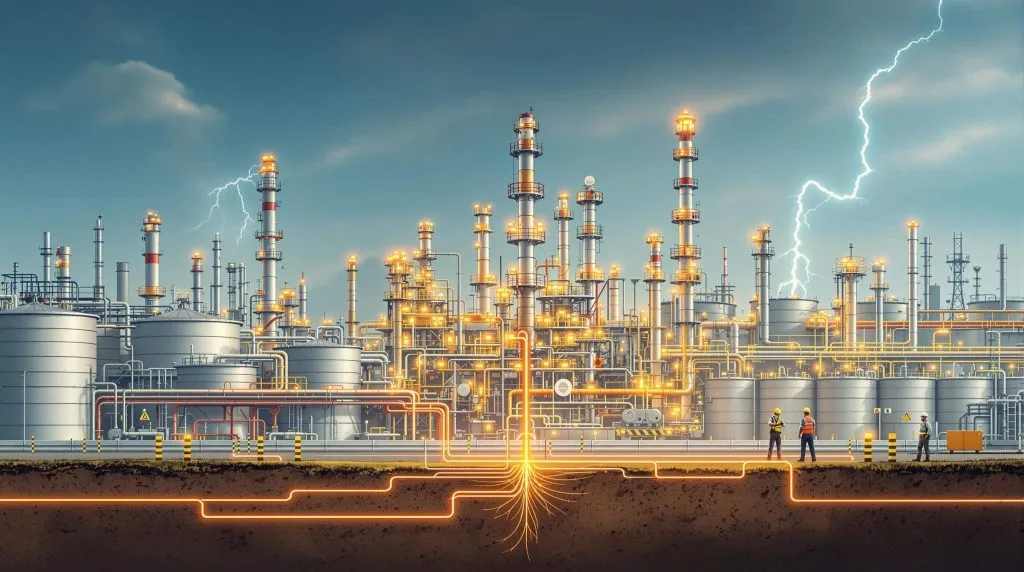
- Surge Protection Devices: Shield sensitive equipment from transient voltage spikes, particularly important at remote sites exposed to lightning.
- Grounding and Bonding: Prevent the buildup of static electricity and hazardous potential differences, critical in areas handling flammable hydrocarbons.
Training and Competency of Personnel
Qualified personnel are essential for safe operation and effective maintenance of electrical systems.
- Regular Training Programs: Keep staff current on applicable technologies, protection philosophies, and safety procedures. Certification: Ensure personnel competency aligns with industry standards and national regulations for electrical work in hazardous areas (e.g., ATEX Directive, OSHA requirements, or equivalent local authority mandates).
Compliance and Standards in Electrical System Design
Adherence to recognized standards ensures safety, reliability, and legal compliance throughout the facility lifecycle.
Relevant Standards and Codes
- IEEE Standards: Provide technical guidelines on electrical equipment, system design, and protection coordination.
- API Standards: American Petroleum Institute standards address equipment and system requirements specific to oil and gas operations.
- NFPA 70 (NEC): The National Electrical Code governs safe electrical design, installation, and inspection in the United States.
Hazardous Area Classification
Proper hazardous area classification is a prerequisite for correct equipment selection and installation design.
Zone Classification: Zones 0, 1, and 2 are defined for explosive gas atmospheres based on the likelihood and duration of occurrence, as described in IEC 60079-10-1. (Note: Zones 20, 21, and 22 apply to combustible dust atmospheres.)
- Equipment Selection: Explosion-protected equipment — whether flameproof (Ex d), intrinsically safe (Ex i), or another recognized protection concept — must be selected in accordance with the zone classification and installed per IEC 60079-14.
Case Studies: Implementing Efficient Electrical Systems
Offshore Platform Upgrade
Onshore Processing Plant Renewable Integration
Conclusion
Designing electrical systems for maximum efficiency in oil and gas facilities is a multifaceted challenge that requires careful consideration of energy consumption, reliability, safety, and compliance. By applying the principles and strategies outlined above, facilities can achieve meaningful operational improvements, cost savings, and environmental benefits.
Key Takeaways:
- Prioritize energy efficiency through high-efficiency equipment selection and comprehensive energy management systems.
- Enhance reliability with redundancy, proactive maintenance, and a coordinated protection philosophy.
- Ensure compliance with relevant standards — including NFPA 70, IEC 60079-14, IEC 60034-30-1, and applicable API standards — and apply rigorous hazardous area classification.
- Invest in personnel training and competency assurance to maintain high standards of operational safety and system performance.