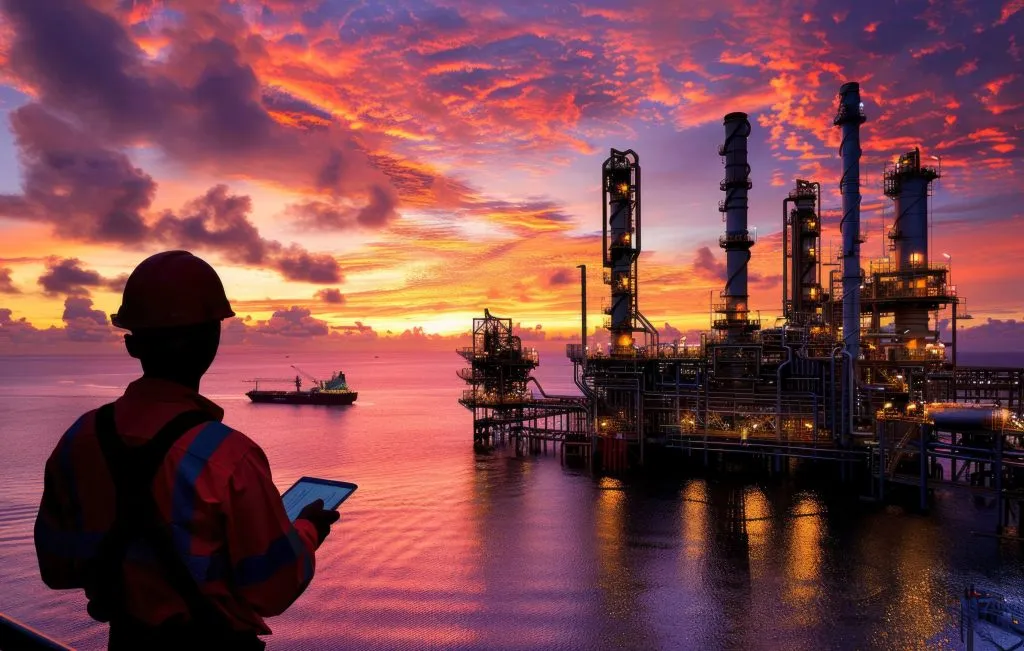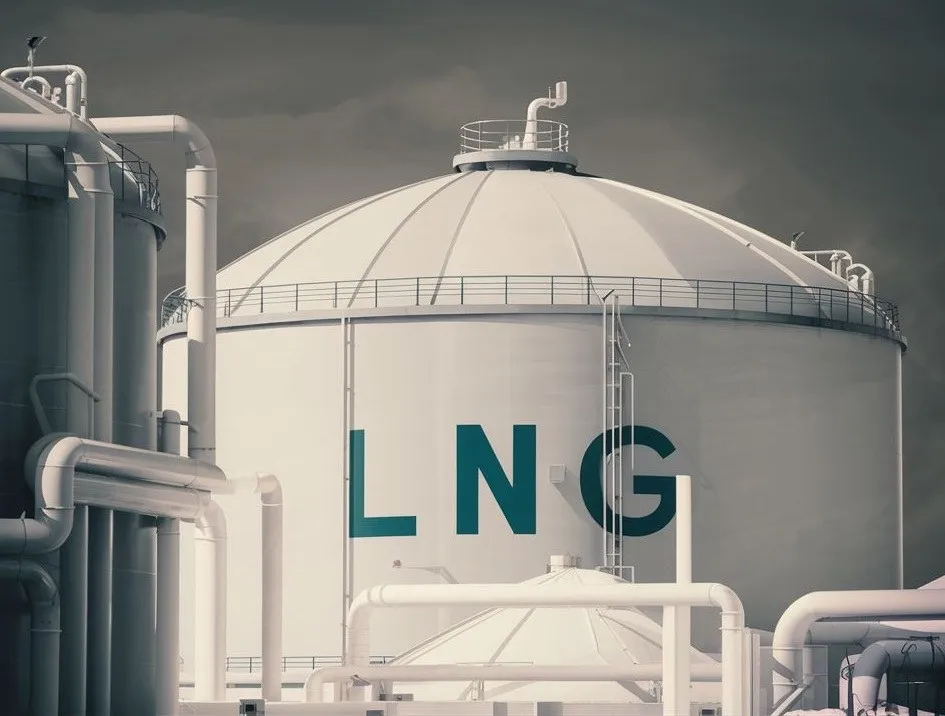
LNG has become a big deal in the global energy mix. As countries push to cut carbon emissions and move away from coal and oil, LNG offers a practical alternative—it packs a lot of energy, and its emissions are comparatively lower. This piece breaks down the LNG market, looking at what’s driving demand, where things are headed, and the real opportunities for folks working in oil and gas.
Understanding Liquefied Natural Gas (LNG)
What is LNG?
Liquefied Natural Gas (LNG) is natural gas cooled to a liquid state at about -162 °C (-260 °F) at atmospheric pressure. Turning it into a liquid shrinks its volume by roughly 600 times. That’s what makes it practical to store and ship long distances—especially where you don’t have pipelines.
The Liquefaction Process
Getting gas into a liquid involves a few key steps:
- Pre-treatment: You strip out water, CO₂, hydrogen sulfide, mercury, and heavy hydrocarbons. If you don’t, they’ll freeze up or cause corrosion at cryogenic temps.
- Cooling: The clean gas goes through refrigeration cycles—common setups are propane pre-cooled mixed refrigerant (C3/MR), cascade systems, or dual mixed refrigerant (DMR)—until it condenses.
- Storage and Transportation: The LNG sits in double-walled, vacuum-insulated cryogenic tanks. Ships built for the job keep the cargo cold all the way to its destination.
Benefits of LNG
- Efficiency in Transportation: Shrinking the volume makes seaborne transport cost-effective, especially for markets without pipeline links.
- Lower Emissions than Coal and Oil: Burning LNG releases less CO₂ per unit of energy than coal or oil, and it eliminates sulfur oxides and particulate matter.
- Versatility: You can regasify it for power plants, heating homes and factories, or use it directly as fuel for ships and heavy trucks.
Key Players in the LNG Industry
Top LNG-producing countries:
- Qatar: One of the world's largest LNG exporters, with ongoing expansion of its North Field production capacity.
- Australia: Major investments in projects such as Gorgon, Wheatstone, and APLNG have made Australia a top-tier LNG supplier.
- United States: The shale gas revolution and the commissioning of export terminals on the Gulf Coast have positioned the U.S. as a major LNG exporter.
Major companies active in LNG include Shell, ExxonMobil, Chevron, TotalEnergies, and QatarEnergy, among others.
Current Market Trends
Increasing Global Demand
Demand is rising, driven by:
- Asia's Energy Needs: Countries in Asia are using it to meet power generation and industrial energy requirements while managing air quality concerns.
- Shift Toward Cleaner Energy: Policy frameworks aimed at reducing carbon intensity have increased LNG's attractiveness as a transition fuel relative to coal and oil.
Technological Advancements
Innovation is reshaping the LNG industry:
- Floating LNG (FLNG) Facilities: Offshore floating liquefaction units enable monetization of stranded or remote gas fields without onshore infrastructure, as demonstrated by projects such as Shell's Prelude FLNG.
- Small-Scale LNG: Smaller modular liquefaction plants serve niche markets, remote communities, and bunkering operations that cannot justify large-scale infrastructure.
- Advanced Carrier Vessels: Modern LNG carriers incorporate more efficient boil-off gas management systems and dual-fuel propulsion, improving overall voyage economics.
Geopolitical Factors
International relations materially affect LNG trade flows:
- Trade Agreements: Bilateral and multilateral agreements facilitate LNG trade and provide the commercial certainty needed for long-lead capital investments.
- Sanctions and Regulations: Export controls and import regulations can redirect supply chains and alter competitive dynamics.
- Energy Security Concerns: The desire to diversify away from dependence on a single supplier or transit route has accelerated LNG import terminal development in Europe and Asia.
Investment and Infrastructure Development
- Terminal Expansions: Capital investment in both liquefaction export terminals and regasification import terminals continues to expand global capacity.
- Pipeline Projects: Gathering and transmission pipelines connecting gas fields to liquefaction facilities are a prerequisite for new LNG supply.
- Regasification Facilities: Floating Storage and Regasification Units (FSRUs) have lowered the cost and lead time for establishing new import capacity.
Demand Drivers
Environmental Concerns
The global emphasis on reducing greenhouse gas emissions is a significant demand driver:
- Regulatory Policies: Stricter emission standards and carbon pricing mechanisms encourage fuel switching toward LNG.
- Corporate Sustainability Goals: Companies are incorporating LNG into their energy procurement strategies to reduce Scope 1 and Scope 2 emissions.
Economic Growth in Emerging Markets
Industrialization and urbanization in emerging economies sustain LNG demand:
- Electricity Generation: Gas-fired power plants using regasified LNG provide dispatchable generation capacity to support growing electricity grids.
- Industrial Use: Industries utilize natural gas from LNG for process heating and as a feedstock for petrochemicals and fertilizers.
Energy Security
Countries are turning to LNG to strengthen their energy security:
- Diversification: Access to multiple LNG supply sources reduces exposure to single-supplier or single-route risk.
- Strategic Reserves: LNG storage infrastructure provides a buffer against short-term supply disruptions.
Advances in LNG-Fueled Transportation
The transportation sector is increasingly adopting LNG:
- Marine Fuel: LNG is gaining acceptance as a ship fuel, in part because it enables compliance with sulfur emission limits under MARPOL Annex VI regulations enforced by the International Maritime Organization (IMO).
- Heavy-Duty Vehicles: LNG-fueled trucks and buses offer lower tailpipe emissions compared to diesel, particularly in markets with developing LNG refueling infrastructure.
Future Outlook
Market Projections
The LNG supply base is expanding:
- Supply Expansion: New projects from the U.S., Qatar, and elsewhere are bringing significant capacity online.
- Demand Growth: Growth is expected, particularly in Asia, as economies recover and seek cleaner energy sources.
Potential Challenges
Despite positive trends, the LNG market faces real challenges:
- Market Volatility: Fluctuations in global energy prices — influenced by weather, geopolitics, and competing fuel prices — can compress LNG project margins.
- Infrastructure Limitations: LNG projects require large capital outlays and long development lead times, creating exposure to demand uncertainty over project lifetimes.
- Methane Emissions: While LNG combustion is cleaner than coal or oil, methane leakage during production, liquefaction, shipping, and regasification—typically 1–3% of throughput depending on facility design and maintenance—can materially erode the greenhouse gas advantage if not actively managed through leak detection and repair programs.
Opportunities for Growth
The LNG market presents several growth avenues:
- Emerging Markets: There are opportunities in Africa and Southeast Asia, where gas-to-power projects can address energy access deficits.
- Technological Innovations: Digital technologies — including advanced process control, predictive maintenance, and real-time cargo optimization — improve operational efficiency across the LNG value chain.
- Renewable Integration: LNG-fired peaking plants can complement intermittent renewable generation, supporting grid stability during the energy transition.
Opportunities in the LNG Market
Export Opportunities
Countries with substantial natural gas reserves hold significant export potential:
- United States: Abundant shale gas resources and multiple operating export terminals underpin continued U.S. LNG export growth.
- Russia: Arctic LNG projects on the Yamal and Gydan peninsulas have historically targeted Asian markets; however, as of 2024, these projects operate under international sanctions with uncertain future export capacity and routes..
- Mozambique: Significant offshore gas resources could support LNG export projects, subject to project development and security conditions.
Infrastructure Development
Infrastructure investment remains foundational:
- LNG Terminals: New import and export terminals, including FSRU-based solutions, expand market access.
- Storage Facilities: Adequate cryogenic storage capacity at both export and import terminals is essential for supply reliability and commercial flexibility.
- Pipeline Networks: Upstream gathering systems and transmission pipelines connecting gas fields to liquefaction plants are critical enablers of new supply.
Technological Innovations
Technology creates competitive differentiation:
- Carbon Capture and Storage (CCS): Integration of CCS at liquefaction facilities can reduce the carbon intensity of LNG production.
- Digitization: Data analytics, IoT-enabled condition monitoring, and digital twins improve plant availability and reduce operating costs.
- Enhanced Liquefaction Processes: Continued development of more energy-efficient refrigeration cycles reduces specific power consumption and associated emissions per tonne of LNG produced.
Strategic Partnerships and Collaborations
Collaboration structures underpin LNG project viability:
- Joint Ventures: Sharing capital costs and technical risk among multiple partners is standard practice for large-scale LNG developments.
- Long-term Contracts: Long-term sale and purchase agreements (SPAs) provide revenue certainty for project financing and supply security for buyers.
- Government Partnerships: Host government engagement is essential for navigating fiscal regimes, permitting, and community relations.
Environmental Solutions
Addressing environmental performance opens commercial opportunities:
- Green LNG: Powering liquefaction facilities with renewable electricity or integrating carbon offsets to reduce the net carbon intensity of LNG cargoes.
- Methane Leak Reduction: Deploying continuous monitoring systems, improved compressor seals, and rigorous leak detection and repair (LDAR) programs to minimize fugitive methane emissions across the value chain.
- Sustainability Reporting: Transparent disclosure of carbon intensity, methane emissions, and environmental performance data meets growing expectations from investors, lenders, and customers.
Conclusion
LNG holds a critical place in the global energy transition, linking gas-rich regions with energy-hungry markets. Market fundamentals point to continued demand, supported by technological progress, infrastructure investment, and the role of natural gas as a lower-carbon complement to coal and oil during the transition to a lower-carbon energy system. Challenges around price volatility, capital intensity, and methane emissions management are real and require active attention.
For stakeholders in the oil and gas industry, staying informed and being strategically agile is essential. Realizing LNG's potential requires disciplined capital allocation, investment in emissions-reducing technology, and a genuine commitment to environmental performance. Companies that combine operational excellence with sustainability leadership are best positioned to compete in this evolving market.