The oil and gas industry has long been at the forefront of adopting advanced technologies to optimize operations, reduce costs, and enhance efficiency. Among the critical components driving these improvements is turbo machinery. Ongoing advancements in turbo machinery have meaningfully impacted the sector, supporting more efficient and sustainable operations. This article explores key technological developments in turbo machinery and how they are enhancing operational efficiency in the oil and gas industry.
The Role of Turbo Machinery in Oil and Gas Operations
Turbo machinery, including turbines and compressors, plays a pivotal role in the oil and gas sector. These machines are essential for various processes such as extraction, transportation, and refining of hydrocarbons. They facilitate the movement of gases and fluids through pipelines, drive pumps and generators, and are instrumental in power generation and processing operations.
Extraction Processes: Turbomachinery is used in production operations to drive equipment such as electric submersible pumps (ESPs), gas-lift compressors, and separation systems that facilitate the flow of oil and gas from underground reservoirs to surface facilities.
- Transportation: Compressors and pumps powered by turbines help in transporting oil and gas through pipelines over long distances.
- Refining and Processing: Turbines are used in refineries to drive equipment that processes crude oil into various petroleum products.
- Power Generation: Gas turbines generate electricity required for on-site operations, especially in remote locations.
Understanding the advancements in turbo machinery is crucial for industry stakeholders aiming to enhance efficiency and reduce operational costs.
Latest Technological Developments in Turbo Machinery
The technological landscape of turbo machinery has evolved significantly, introducing innovations that improve performance, reliability, and efficiency.
1. High-Efficiency Turbines
Modern turbines have seen substantial improvements in design and materials, leading to higher efficiency levels.
Aerodynamic Design Improvements
Advancements in computational fluid dynamics (CFD) have allowed engineers to design turbine blades with optimized aerodynamic profiles. These designs reduce flow losses and increase the efficiency of energy conversion from fuel to mechanical work.
Materials Innovation
The introduction of advanced materials such as ceramic matrix composites (CMCs) and single-crystal nickel superalloys has enabled turbines to operate at higher firing temperatures, directly improving thermal efficiency. These materials also offer better resistance to oxidation, hot corrosion, and creep, enhancing the longevity of hot-section components. Thermal barrier coatings (TBCs) applied to blades and vanes provide an additional layer of thermal protection.
2. Digitalization and IoT Integration
The integration of digital technologies and the Internet of Things (IoT) has transformed turbo machinery operations.
Predictive Maintenance
Using permanently installed sensors and data analytics platforms, operators can monitor the condition of turbo machinery continuously.
Real-time Monitoring and Control
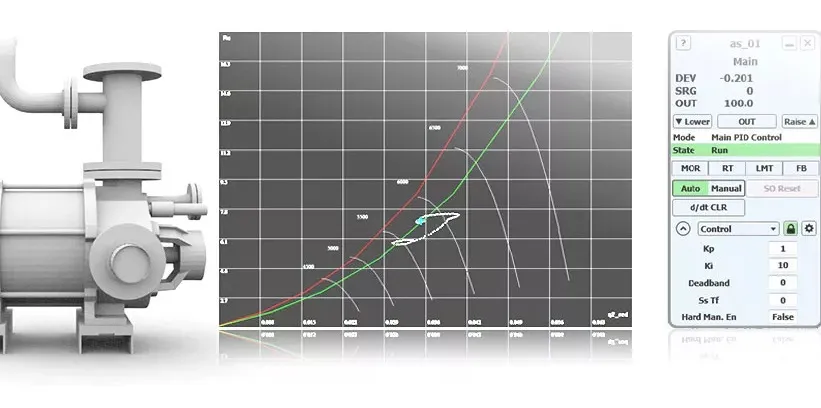
IoT-connected instrumentation provides real-time data on operational parameters, enabling immediate control-system adjustments to optimize performance. Closed-loop control strategies informed by live process data improve efficiency and help avoid operating in off-design conditions that waste energy.
3. Energy Recovery Systems
Energy recovery technologies capture and reuse energy that would otherwise be lost.
Waste Heat Recovery
Turbocompounding
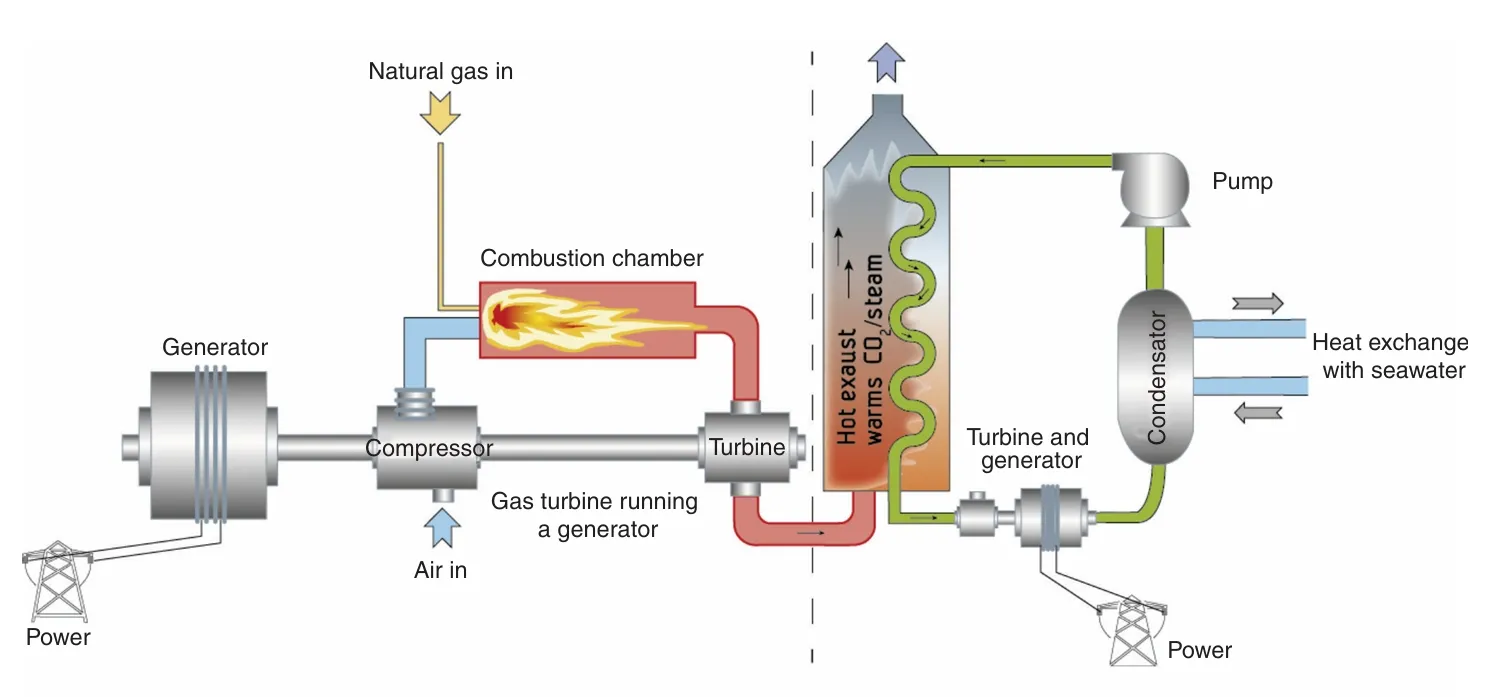
Turbocompounding involves coupling a power-recovery turbine to the exhaust stream of a primary turbine or engine. It extracts additional work from exhaust gases that would otherwise be rejected to atmosphere, providing supplemental shaft power without additional fuel consumption.
4. Advanced Compressor Technologies
Compressors are integral to turbo machinery, and advancements in their technology have led to significant efficiency gains.
Active magnetic bearings (AMBs) are governed by design standards including API 617 for centrifugal compressor design and performance; bearing-specific requirements are addressed in ISO 20816 (vibration) and API 670 (machinery protection systems).
Variable Speed Drives
5. Additive Manufacturing (3D Printing)
Additive manufacturing has opened new possibilities in the production and maintenance of turbo machinery components.
Custom Parts Production
This allows component designs that more precisely meet aerodynamic and thermal requirements.
Rapid Prototyping
Engineers can quickly fabricate and test new blade and impeller designs, accelerating the development cycle and reducing the time required to validate aerodynamic improvements before committing to production tooling.
Enhancing Operational Efficiency
The advancements in turbo machinery contribute to operational efficiency in several ways.
Reduced Downtime and Maintenance Costs
- Predictive Maintenance: By identifying developing faults early, companies can schedule corrective work during planned maintenance windows, preventing costly forced outages.
- Durable Materials: Advanced alloys, CMCs, and coatings reduce wear rates and extend the intervals between hot-section inspections.
Increased Throughput and Production Rates
- Optimized Performance: Improved aerodynamic designs and real-time monitoring allow machinery to operate closer to its design point across a broader range of conditions.
- Energy Recovery: Recovered energy can be used to power additional processes or reduce the load on primary drivers, increasing overall plant output.
Environmentally Friendly Operations
- Emission Reductions: Higher thermal efficiency means less fuel is burned per unit of useful work, directly reducing CO₂ and NOₓ emissions.
- Sustainability: Waste heat recovery systems contribute to more sustainable operations by utilizing energy that would otherwise be vented or flared.
Cost Savings and Improved ROI
- Energy Efficiency: Reduced fuel and power consumption translates directly into lower operating expenditure.
- Maintenance Efficiency: Longer component life and fewer unplanned outages improve the return on investment for new turbo machinery technologies.
Case Studies
Implementation of High-Efficiency Turbines at XYZ Company
XYZ Company upgraded its turbines with high-efficiency models featuring advanced aerodynamic blade profiles and improved high-temperature materials. The upgraded machines were able to operate at higher firing temperatures, improving thermal performance. Specific performance outcomes reported by the operator are not independently verified and are therefore not reproduced here; operators considering similar upgrades should request guaranteed performance data from the original equipment manufacturer (OEM).
Digital Twin Technology in ABC Corporation
ABC Corporation adopted digital twin technology for its turbo machinery fleet, creating continuously updated virtual models of physical machines synchronized with live sensor data. This enabled simulation-based fault prediction and maintenance planning. Operators implementing digital twin programs typically report improvements in maintenance scheduling accuracy and reductions in unplanned downtime; project-specific figures should be obtained directly from the technology provider or operator.
Future Trends in Turbo Machinery
The future of turbo machinery in the oil and gas industry looks promising, with several trends set to drive further enhancements in efficiency.
Artificial Intelligence and Machine Learning Applications
Advanced Materials and Coatings
Ongoing research into nanostructured thermal barrier coatings and environmental barrier coatings for CMC components promises components capable of withstanding higher temperatures and more aggressive combustion environments, further extending service intervals and enabling efficiency improvements in next-generation machines.
Integration with Renewable Energy Systems
Turbo machinery is increasingly being considered within hybrid energy architectures, where surplus power from wind or solar generation can drive electric motor-compressor sets or support electrified compression trains, reducing dependence on gas-fired drivers during periods of high renewable output.
Conclusion
Advancements in turbo machinery are significantly boosting efficiency in oil and gas operations. From high-efficiency turbines and digitalization to energy recovery systems and advanced compressors, these technological developments are reshaping how the industry manages its most energy-intensive processes. By embracing these innovations, oil and gas companies can enhance operational efficiency, reduce costs, and move towards more sustainable practices.
The continued evolution of turbo machinery — particularly through AI-driven analytics, next-generation materials, and integration with lower-carbon energy sources — promises further efficiency gains. Stakeholders in the oil and gas sector should stay abreast of these developments to maintain a competitive edge and contribute to a more efficient and sustainable energy landscape.