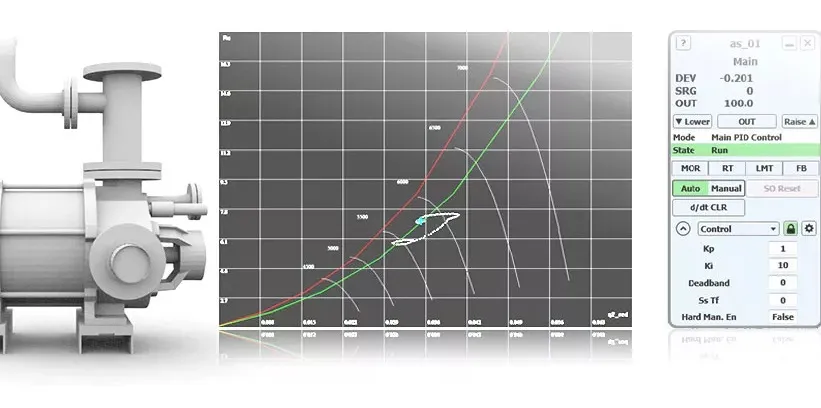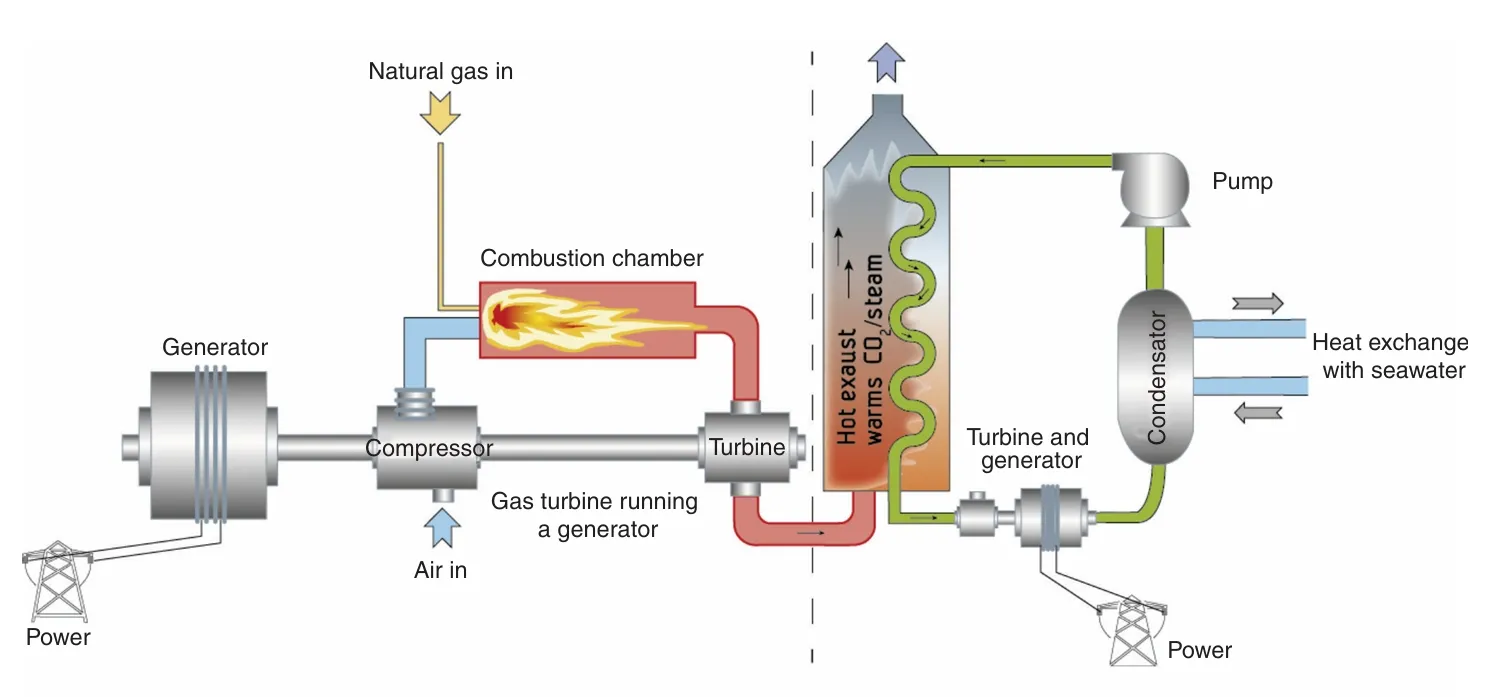
Turbo machinery — compressors, turbines, and pumps — is the operational backbone of oil and gas extraction, processing, and transportation. Keeping it at peak performance and preventing unexpected failures is a persistent challenge. Predictive analytics gives operators a data-driven way to catch equipment issues before they escalate. This article examines how predictive analytics can be applied to turbo machinery to forecast failures and optimize performance, ultimately improving productivity and reducing operational costs.
Understanding Turbo Machinery in the Oil and Gas Industry
Turbo machinery covers equipment designed to transfer energy between a rotor and a fluid, including:
- Compressors: Increase gas pressure for pipeline transportation.
- Turbines: Convert fluid energy into mechanical energy to drive generators or pumps. Pumps (centrifugal and axial types): Move liquids by dynamic action, essential for fluid handling. Note: positive displacement pumps operate on different principles and may require distinct monitoring strategies.
Common Challenges:
- Mechanical Wear and Tear: Continuous operation leads to progressive component degradation.
- Operational Stress: Fluctuations in load and pressure place cyclic strain on machinery.
- Environmental Factors: Harsh operating conditions — high temperatures, corrosive media, particulate contamination — accelerate damage.
- Maintenance Overheads: Traditional time-based maintenance schedules do not account for actual equipment condition, leading to either premature or overdue interventions.
The Role of Predictive Analytics
Predictive analytics uses historical data, statistical algorithms, and machine learning techniques to forecast future outcomes. Applied to turbo machinery, it focuses on identifying potential failures and performance degradation before they result in costly unplanned downtime.
How Predictive Analytics Works
- Data Collection: Sensors gather real-time data on vibration, temperature, pressure, flow, and rotational speed.
- Data Processing: Raw data is cleaned, validated, and preprocessed to remove noise and fill gaps.
- Modeling: Algorithms analyze operational patterns and identify anomalies relative to established baselines.
- Prediction: The system forecasts potential failures or performance degradation with associated confidence levels.
- Actionable Insights: Operators receive prioritized alerts, enabling proactive maintenance planning.
Benefits in Industrial Applications:
- Enhanced Reliability: Early detection of developing faults prevents unexpected breakdowns.
- Cost Reduction: Addressing issues at an early stage minimizes repair scope and production losses.
- Efficiency Improvement: Continuous performance monitoring enables operating parameter optimization. Safety Enhancement: Preventing equipment failures reduces the risk of unplanned shutdowns and associated process upsets. Condition monitoring supports operational reliability; however, process safety instrumentation requirements are governed separately under functional safety standards such as IEC 61511.
Applying Predictive Analytics to Turbo Machinery
Data Collection and Monitoring
Effective predictive analytics begins with robust, high-quality data collection:
- Sensors and IoT Devices: Install sensors to monitor key parameters including vibration frequency and amplitude, bearing temperatures, differential pressure, and shaft rotational speed. Sensor selection and placement should follow equipment manufacturer guidelines and relevant machinery condition monitoring standards such as ISO 20816 (vibration severity) and ISO 13373 (condition monitoring and diagnostics of machines).
- Historical Data Utilization: Use past performance records and maintenance logs to establish normal operating envelopes and known failure signatures.
Advanced Data Analysis
- Machine Learning Algorithms: Techniques such as neural networks, regression models, random forests, and decision trees can analyze complex, high-dimensional data patterns that are not readily apparent through conventional trending.
- Anomaly Detection: Algorithms identify deviations from established normal behavior that may indicate developing wear, fouling, or impending component failure.
- Remaining Useful Life (RUL) Prediction: Physics-informed or data-driven models estimate the time remaining before a component requires maintenance or replacement, supporting optimized maintenance scheduling.
Predictive Maintenance Strategies
- Condition-Based Maintenance (CBM): Maintenance activities are triggered by actual equipment condition rather than elapsed time or operating hours, reducing unnecessary interventions.
- Proactive Interventions: Minor anomalies are addressed before they propagate into major failures requiring extensive repairs or component replacement.
- Resource Optimization: Maintenance resources are directed toward machinery that genuinely requires attention, improving workforce and spare parts utilization.
Case Study Example
Oil Refinery Compressor Monitoring
Benefits of Predictive Analytics for Turbo Machinery
-
Reduced Downtime
- Minimized Interruptions: Early fault detection prevents sudden, unplanned failures.
- Scheduled Maintenance: Repairs can be aligned with planned production shutdowns.
-
Cost Savings
- Lower Repair Costs: Addressing faults at an early stage limits damage scope and repair complexity.
- Extended Equipment Life: Preventing excessive wear prolongs machinery service life.
-
Improved Efficiency and Performance
- Optimized Operations: Continuous monitoring enables real-time adjustment of operating parameters for peak efficiency.
- Energy Savings: Well-maintained machinery operating within its design envelope consumes less energy than degraded equipment.
-
Enhanced Safety
- Risk Mitigation: Preventing equipment malfunctions reduces the likelihood of process safety incidents.
- Regulatory Compliance: Condition monitoring supports compliance with applicable industry regulations and standards.
Implementing Predictive Analytics Solutions
Steps to Implementation
-
Assessment and Planning
- Assess Needs: Identify which machinery presents the greatest risk or operational impact, prioritizing accordingly.
- Set Objectives: Define measurable success criteria such as reduction in unplanned downtime or maintenance cost per unit.
-
Infrastructure Setup
- Install Sensors: Equip machinery with appropriate monitoring devices, ensuring sensor types and mounting methods are consistent with manufacturer and applicable standard requirements.
- Data Management Systems: Establish data historians, databases, and processing pipelines capable of handling continuous high-frequency data streams.
-
Developing Analytical Models
- Algorithm Selection: Choose machine learning models appropriate to the failure modes of interest and the volume and quality of available training data.
- Model Training: Use validated historical data, including documented failure events, to train and calibrate predictive models.
-
Integration
- System Integration: Connect predictive analytics platforms with existing distributed control systems (DCS), plant asset management systems, and CMMS.
- User Interface: Develop operator dashboards providing real-time equipment health status, trend visualization, and prioritized maintenance alerts.
-
Testing and Validation
- Pilot Programs: Begin with a limited deployment on a representative subset of machinery to validate model performance.
- Validate Results: Compare model predictions against actual outcomes and refine accordingly before broader rollout.
-
Scaling Up
- Full Deployment: Extend the solution across all relevant machinery once pilot validation is complete.
- Continuous Improvement: Retrain and update models as new operational and failure data accumulates.
Challenges and Considerations
- Data Quality: Sensor faults, gaps in historical records, and inconsistent data labeling degrade model reliability. Data governance processes are essential.
- Technical Expertise: Developing, validating, and maintaining predictive models requires personnel with skills spanning machinery engineering, data science, and operations technology.
- Initial Costs: Investment in sensors, data infrastructure, and analytical software represents a significant upfront commitment.
- Change Management: Operational and maintenance teams must adapt workflows and decision-making processes to act on model outputs effectively.
Integration with Existing Systems
- Compatibility: Analytical tools must be compatible with existing operations technology environments, including DCS, SCADA, and historian platforms.
- Interoperability: Standardized data protocols and interfaces facilitate seamless data flow between plant systems and analytics platforms.
Training and Change Management
- Employee Training: Maintenance engineers, operators, and reliability teams require training on interpreting model outputs and integrating alerts into maintenance workflows.
- Stakeholder Engagement: Successful implementation requires buy-in from operations, maintenance, engineering, and management functions throughout the organization.
Conclusion
Predictive analytics represents a meaningful advancement in the maintenance and optimization of turbo machinery within the oil and gas industry. By systematically analyzing operational data, companies can identify developing equipment faults, optimize performance, and make informed maintenance decisions that improve reliability and reduce costs. Implementation carries real challenges — data quality, technical capability, and organizational change — but a structured approach to deployment and validation addresses these effectively.
Future Outlook
The continued integration of artificial intelligence and Industrial IoT is advancing predictive analytics capabilities for turbo machinery.
Final Thoughts
Optimizing turbo machinery performance has evolved from a reactive, schedule-driven activity into a strategic, data-driven discipline. By adopting predictive analytics, oil and gas operators can achieve higher levels of equipment reliability, operational efficiency, and safety. The transition from time-based to condition-based and predictive maintenance is a foundational step toward sustainable operational excellence.
For more insights into optimizing your operations with predictive analytics, contact our experts or visit our website for additional resources.