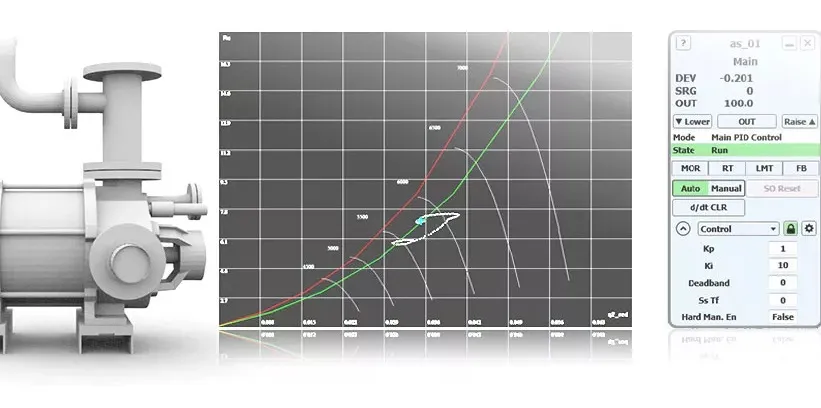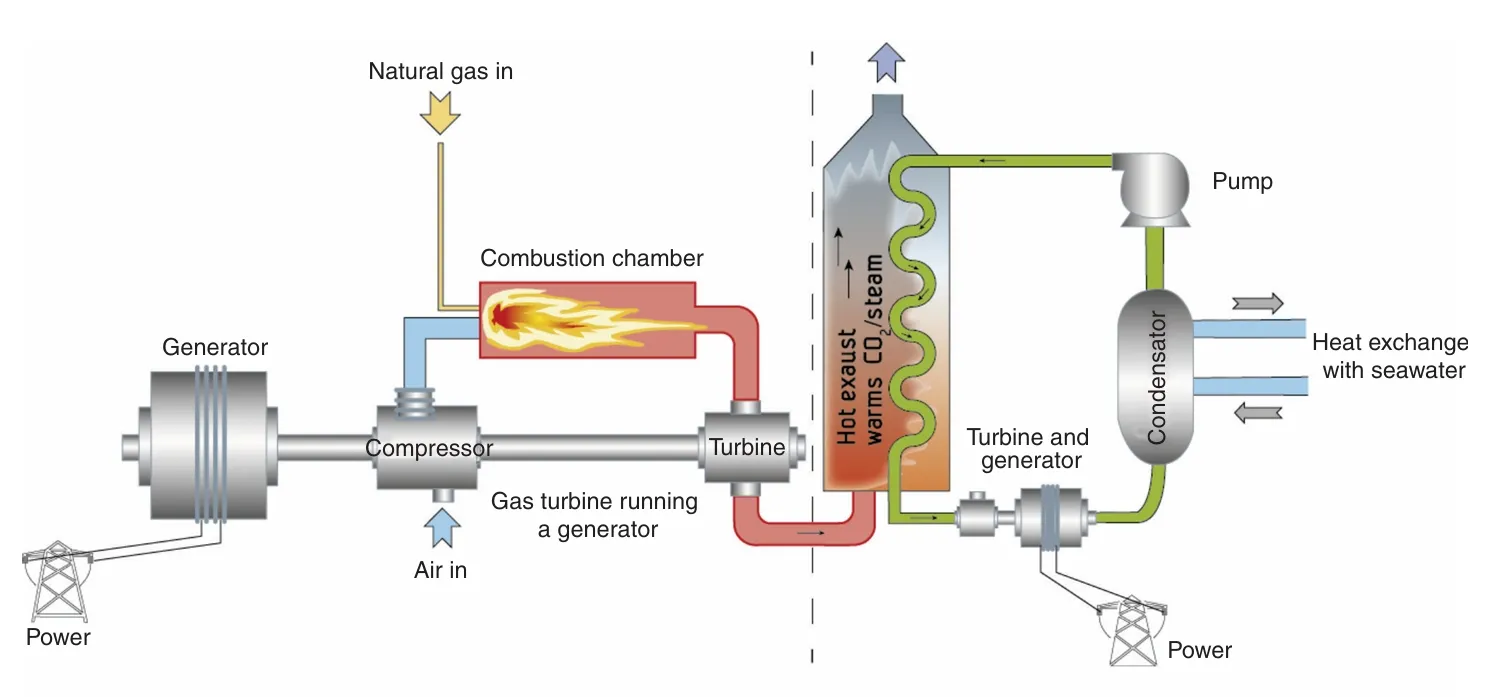
Natural gas remains an indispensable resource in the global energy landscape, offering a lower-carbon combustion profile compared with coal and oil. As demand continues to grow, so does the need for efficient and reliable processing methods. One of the critical components in natural gas processing is the turbo compressor. Turbo compressors play a pivotal role in enhancing the efficiency, reliability, and overall quality of the processed gas. This article examines the importance of turbo compressors in natural gas processing, exploring how they work and their impact on efficiency and product quality.
Understanding Turbo Compressors
What Are Turbo Compressors?
Turbo compressors, also known as dynamic compressors, are mechanical devices that increase the pressure of a gas by imparting kinetic energy to it through a rotating impeller or blade row. Unlike positive displacement compressors, which trap and compress gas in a confined space, turbo compressors accelerate the gas and then convert that kinetic energy into pressure energy through a diffuser or stator stage.
Types of Turbo Compressors
There are mainly two types of turbo compressors used in the industry:
- Centrifugal Compressors: These compressors direct the gas flow radially outward from the axis of rotation, utilizing centrifugal force to increase pressure. They are the dominant choice in most natural gas processing and pipeline applications.
- Axial Compressors: In these compressors, the gas flows parallel to the axis of rotation through successive rows of rotating and stationary blades. They are well suited to high-flow, lower-pressure-ratio applications such as large-scale LNG feed-gas trains.
Both types are integral in various stages of natural gas processing, selected according to the specific requirements of pressure ratio and volumetric flow rate.
The Role of Turbo Compressors in Natural Gas Processing
Gas Gathering and Transportation
In the initial stages of natural gas production, turbo compressors are essential for gathering gas from multiple wells and transporting it to processing facilities. They boost the gas pressure to overcome frictional and elevation losses in gathering pipelines, ensuring a continuous and efficient flow to processing plants.
Gas Processing Operations
Natural gas extracted from the reservoir contains impurities such as water vapor, hydrogen sulfide, carbon dioxide, and heavier hydrocarbons. Turbo compressors are utilized in several gas processing operations, including:
- Gas Sweetening: Removing hydrogen sulfide and carbon dioxide to meet pipeline or sales-gas specifications.
- Dehydration: Eliminating water vapor to prevent pipeline corrosion and hydrate formation.
- NGL Recovery: Extracting natural gas liquids such as ethane, propane, and butane for separate sale or further processing.
By compressing the gas to the required conditions, turbo compressors provide the pressure and temperature environment needed for effective separation and purification in each of these unit operations.
LNG Production
In liquefied natural gas (LNG) production, turbo compressors are critical in the refrigeration cycles that cool natural gas to approximately −162 °C to convert it into liquid form. Compressors circulate the refrigerant and raise feed-gas pressure before it enters the cryogenic heat exchangers, directly influencing the efficiency and capacity of the liquefaction process.
Storage and Distribution
After processing, natural gas may be injected into underground storage facilities or transported via transmission pipelines to end-users. Turbo compressors maintain the pressures required for storage injection and pipeline distribution, ensuring that gas reaches consumers safely and at the specified delivery pressure.
Impact on Efficiency
Energy Consumption
Compression is one of the most energy-intensive operations in a gas processing facility. Turbo compressors are designed to minimize this energy demand through several engineering approaches:
- High-Efficiency Impellers: Modern three-dimensional impeller profiles, optimized using computational analysis, minimize aerodynamic losses.
- Variable Speed Drives: Adjusting compressor speed to match actual process conditions avoids throttling losses and reduces power consumption at part load.
- Advanced Materials: Alloys and coatings that maintain dimensional stability at elevated temperatures and pressures sustain aerodynamic performance over the machine's service life.
Operational Reliability
Reliability is paramount in natural gas processing, where unplanned shutdowns carry significant safety and commercial consequences. Turbo compressors incorporate features designed to maximize availability:
- Advanced Dry Gas Seal Systems: Prevent process gas leaks to atmosphere and eliminate seal-oil contamination of the gas stream.
- Effective Cooling Systems: Intercoolers and lube-oil coolers manage the heat generated during compression, protecting mechanical components.
- Condition Monitoring: Continuous measurement of vibration, bearing temperatures, and seal gas flows enables early detection of developing faults and supports planned maintenance.
Enhanced reliability translates to fewer unplanned interruptions, consistent processing rates, and lower life-cycle maintenance costs.
Process Optimization
Precise control over compression pressure and flow rate contributes to the overall optimization of gas processing:
- Improved Separation Processes: Holding optimal suction and discharge pressures improves the effectiveness of gas sweetening contactors and dehydration units.
- Enhanced LNG Production: Stable refrigerant compressor operation maintains consistent liquefaction capacity.
- Reduced Emissions: Operating compressors at their design efficiency point lowers fuel consumption in gas-turbine-driven trains, reducing associated combustion emissions.
Impact on Product Quality
Purity of Natural Gas
The performance of turbo compressors directly affects the purity of processed natural gas. Maintaining specified compression conditions ensures that downstream separation and purification equipment operates within its design envelope, producing gas that meets pipeline quality or LNG specifications.
- Consistent Pressure: Stable suction pressure to treating units maintains optimal conditions for solvent absorption and molecular-sieve adsorption processes.
- Temperature Control: Interstage cooling controls gas temperatures entering each compression stage, influencing equilibrium conditions in downstream purification steps.
Protection Against Contamination
Dry gas seals and oil-free bearing options in modern turbo compressors prevent lubricant contamination of the process gas stream. This is essential for maintaining gas purity and protecting downstream catalysts, molecular sieves, and heat-exchanger surfaces from fouling.
Hydrocarbon Recovery
Efficient compression to the pressures required for dew-point control and NGL condensation enhances the recovery of valuable heavier hydrocarbons. By achieving the necessary conditions for phase separation, turbo compressors facilitate the extraction of ethane, propane, and other NGLs, supporting both product quality targets and additional revenue streams.
Technological Advancements Enhancing Compressor Performance
Computational Fluid Dynamics (CFD)
The application of CFD in compressor aerodynamic design has led to measurable improvements in stage efficiency.
Magnetic Bearings
Active magnetic bearing (AMB) systems eliminate mechanical contact between the rotor and its supports, yielding several operational benefits:
- Lower Maintenance: No oil system, no bearing pads, and no seals to service on the bearing itself.
- Higher Efficiency: Elimination of viscous friction losses associated with conventional oil-film bearings.
- Improved Reliability: AMB controllers provide continuous rotor position data, enabling real-time detection of rotor dynamic anomalies.
Integration with Automation Systems
Modern turbo compressors are integrated with plant distributed control systems (DCS) and safety instrumented systems (SIS), enabling:
- Real-Time Monitoring: Immediate detection of deviations from normal operating envelopes, including surge margin monitoring.
- Automated Adjustments: Anti-surge controllers and capacity controls make dynamic adjustments to operating parameters to maintain safe, efficient operation.
- Predictive Maintenance: Data historians and analytics platforms identify trends in vibration, temperatures, and seal gas flows that indicate developing mechanical issues before they cause failures.
Environmental Impact and Sustainability
Emission Reduction
Operating turbo compressors at high efficiency reduces the fuel gas or electrical power consumed per unit of gas processed. For gas-turbine-driven compressors, this directly lowers combustion emissions at the facility. Dry gas seals also eliminate the continuous process gas venting associated with older wet-seal designs, reducing fugitive methane emissions.
Noise Reduction
Support for Renewable Integration
Efficient and responsive natural gas processing supports grid stability by enabling rapid adjustment of gas supply when intermittent renewable generation output changes.
Challenges and Considerations
High Initial Investment
Turbo compressors represent significant capital expenditure, encompassing the machine itself, its driver, auxiliary systems, and installation. Life-cycle cost analysis — accounting for efficiency, reliability, and maintenance — is essential when comparing turbo compressors against alternative technologies for a given application.
Maintenance Requirements
Although modern designs have reduced maintenance frequency, turbo compressors still require planned inspections and overhauls in accordance with manufacturer recommendations and applicable standards such as API 617 for centrifugal compressors. Comprehensive maintenance management programs are essential to maximize availability.. Comprehensive maintenance management programs are essential to maximize availability.
Material and Design Limitations
High-pressure, high-temperature, and sour-gas service environments impose demanding requirements on impeller alloys, casing materials, and seal components. Selecting materials in accordance with applicable standards — including NACE MR0175 / ISO 15156 for sour service — is critical to achieving the design service life.
Future Outlook
The role of turbo compressors in natural gas processing is expected to grow alongside demand for natural gas and the industry's drive toward greater efficiency and reduced environmental impact. Likely developments include:
- Enhanced Materials: New alloy compositions and surface treatments for improved resistance to erosion, corrosion, and high-temperature degradation.
- Digitalization: Broader application of machine-learning algorithms to compressor performance monitoring, anomaly detection, and maintenance scheduling.
- Energy Recovery Systems: Integration of expander-compressor configurations and waste-heat recovery to capture energy from the compression process and improve overall facility efficiency.
Conclusion
Turbo compressors are a cornerstone of modern natural gas processing, with a direct influence on facility efficiency and product quality. Their ability to provide precise, controllable compression across gathering, treating, liquefaction, and distribution operations makes them indispensable across the gas value chain. Advances in aerodynamic design, bearing technology, sealing systems, and digital integration continue to improve their performance, reliability, and environmental compatibility. As the natural gas industry evolves, turbo compressors will remain central to achieving more efficient, sustainable, and high-quality gas production.
Understanding and leveraging the full capabilities of turbo compressors allows gas processors to optimize operations, manage costs, and reliably meet the demands placed on modern gas infrastructure.