Exploring the Challenges and Solutions in Engineering Resilient Mechanical Systems
Introduction
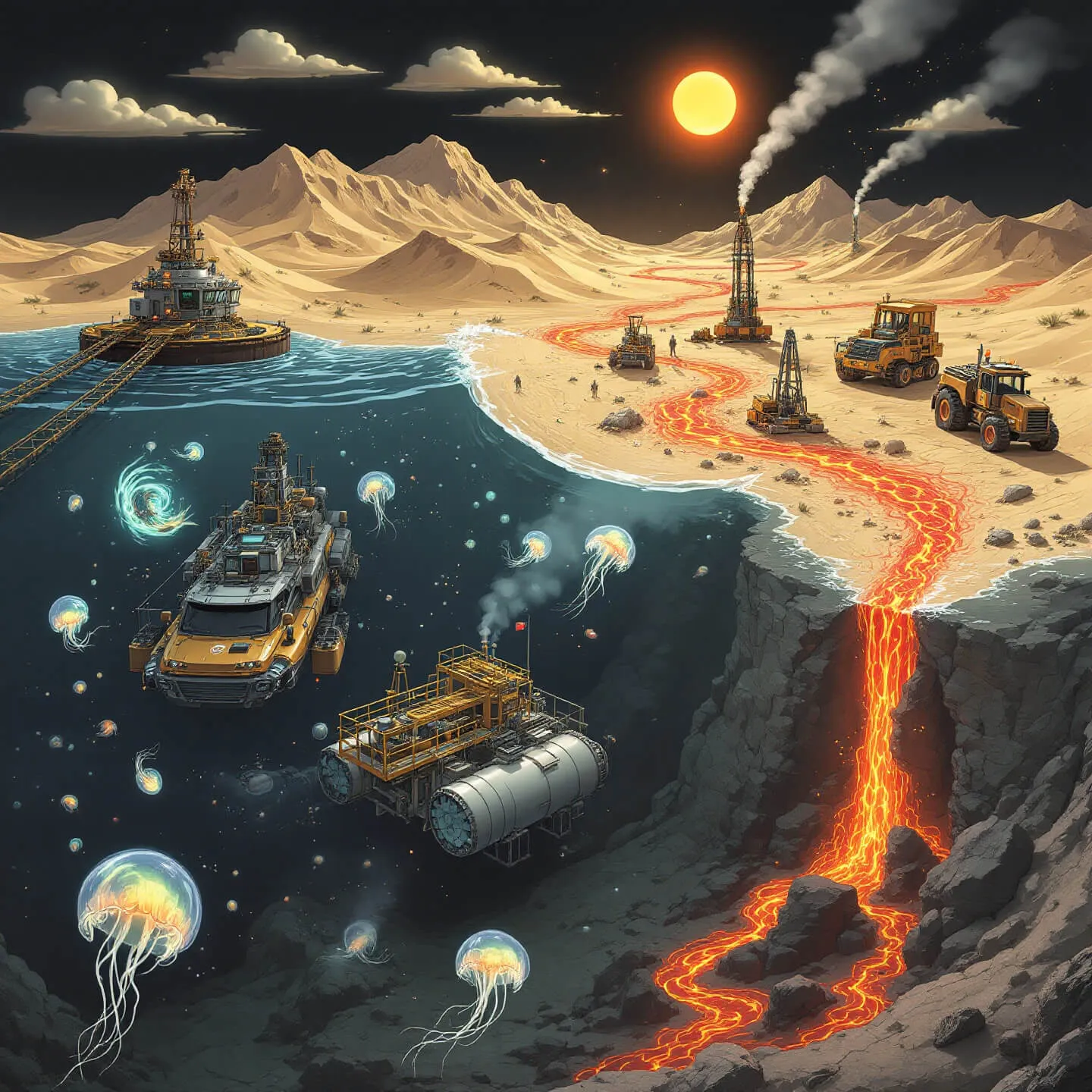
Mechanical systems that have to keep running in extreme conditions are a hard design problem. Oil and gas, aerospace, and deep-sea exploration all hit the same wall: extreme temperatures, immense pressures, and highly corrosive fluids. Get the design wrong, and safety, reliability, and service life all suffer.
Challenges in Extreme Environments
-
Extreme Temperatures
- High Temperatures: Heat makes materials expand, weaken, or deform. Metals can lose strength, then creep or fail under sustained stress.
- Low Temperatures: Sub-zero conditions can make materials brittle, raising the risk of fracture under load — a particular concern for carbon steels in Arctic or cryogenic service.
-
High Pressures
- Equipment deep underground or underwater sees intense pressure. Without proper design and pressure rating, that can mean material compression, deformation, or catastrophic failure.
-
Corrosive Conditions
- Saltwater, process chemicals, or gases — hydrogen sulfide (H₂S) in sour-service oil and gas drilling, for example — can degrade materials through rust, pitting, and stress corrosion cracking.
Solutions for Robust Mechanical Design
-
Material Selection
- Advanced Alloys: Stainless steels, titanium alloys, and nickel-based superalloys maintain mechanical strength at elevated temperatures and offer inherent corrosion resistance. Sour-service applications require materials qualified to NACE MR0175 / ISO 15156, which specifies materials resistant to sulfide stress cracking.
- Composites and Ceramics: Non-metallic materials such as carbon-fibre-reinforced polymers and engineering ceramics provide superior thermal resistance and corrosion protection where metallic solutions are impractical.
-
Protective Coatings and Treatments
- Coatings such as hot-dip galvanizing, thermal spray, or qualified paint systems shield base materials from corrosive environments.
- Surface treatments such as nitriding or carburizing enhance surface hardness and wear resistance on critical components.
-
Thermal Management Systems
- Insulation layers protect components from extreme heat or cold, including passive insulation and active heat tracing for low-temperature service.
- Cooling systems — such as shell-and-tube heat exchangers or forced coolant circulation — dissipate excess heat from high-temperature equipment.
-
Structural Reinforcement
- Use finite element analysis (FEA) to identify stress concentrations and reinforce structures at critical locations before fabrication.
- Design with appropriate safety factors that account for dynamic, cyclic, and unexpected stressors over the intended service life.
-
Sealing and Gasketing
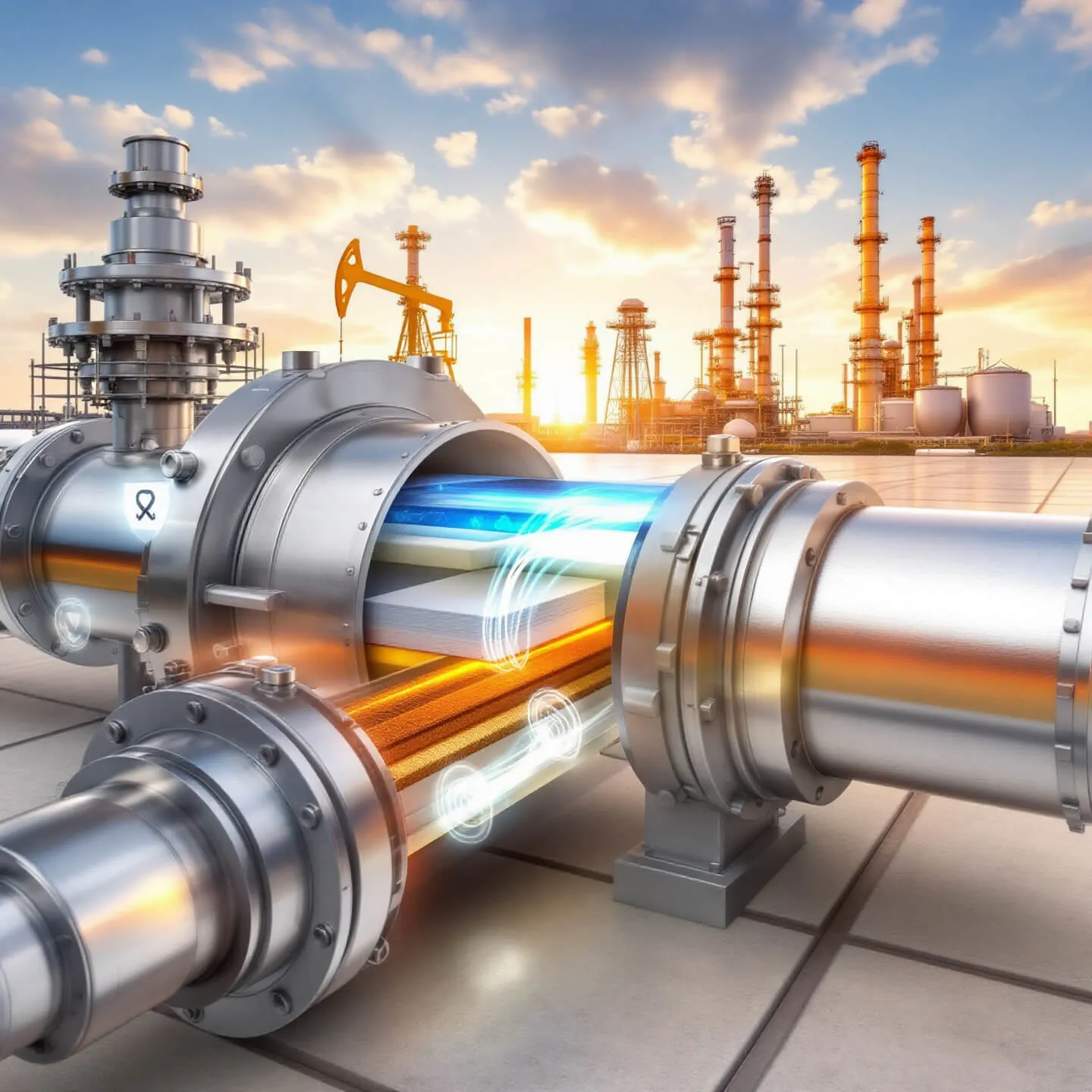
- High-performance seals and gaskets made from materials such as PTFE, perfluoroelastomers (FFKM), or metal ring-joint gaskets maintain integrity under extreme pressures and temperatures without degrading.
-
Corrosion Monitoring and Maintenance
Case Studies
-
Oil and Gas Industry
- Offshore drilling equipment is built with high-strength, low-alloy steels and coated with corrosion-resistant systems to handle the harsh marine environment and high-pressure conditions deep beneath the sea floor. Subsea wellhead and pressure-containing components are designed and tested to API 6A.
-
Aerospace Engineering
- Spacecraft components use heat-resistant materials such as reinforced carbon-carbon (RCC) composites to survive the extreme temperature fluctuations from launch through orbital operations and re-entry.
Conclusion
Engineering mechanical systems for extreme environments is not a single fix. Start with a clear read of what the operating environment will do to the hardware. Then select materials, add protective measures, and apply advanced design and analysis techniques. Done right, the system can take harsh conditions and still perform reliably over extended service periods.