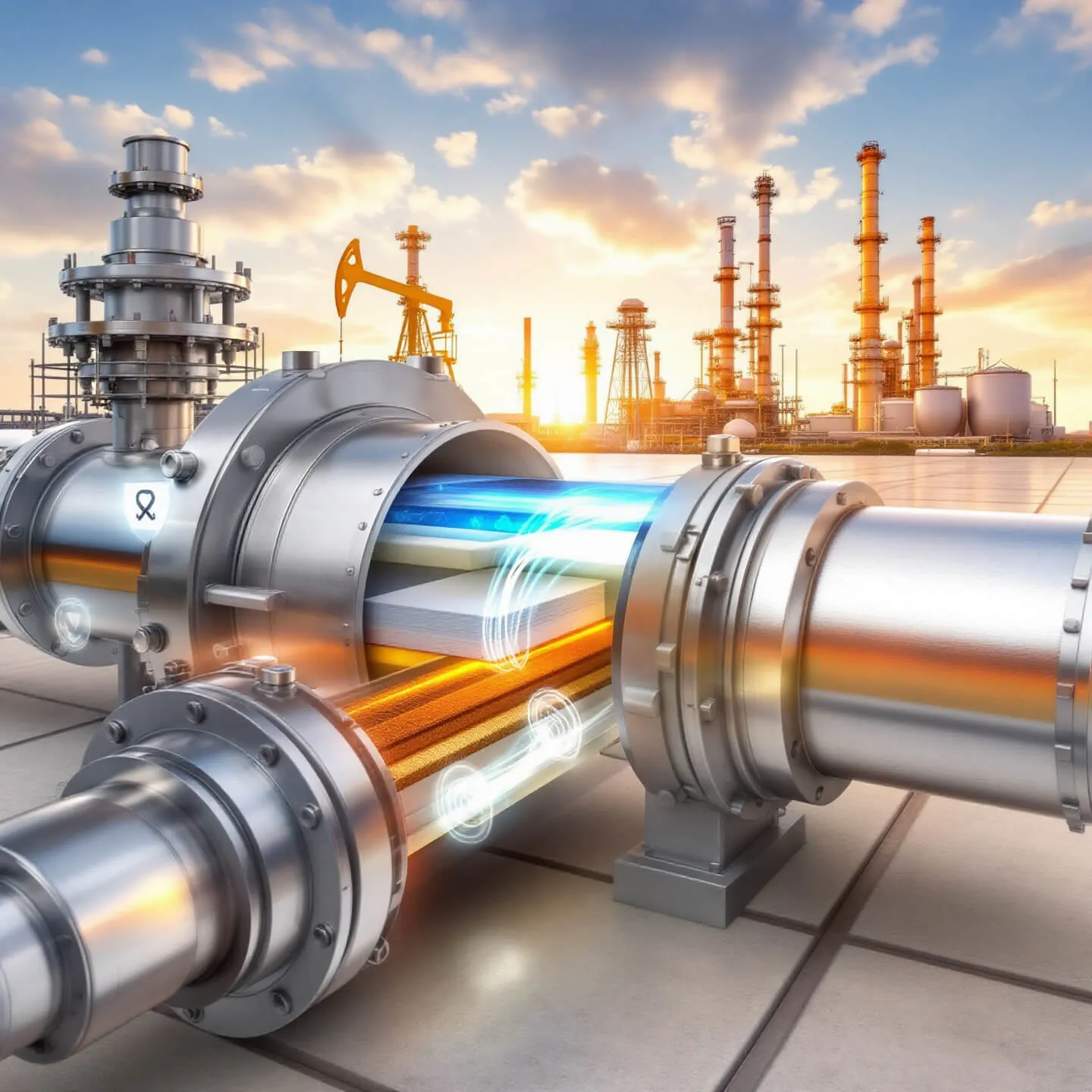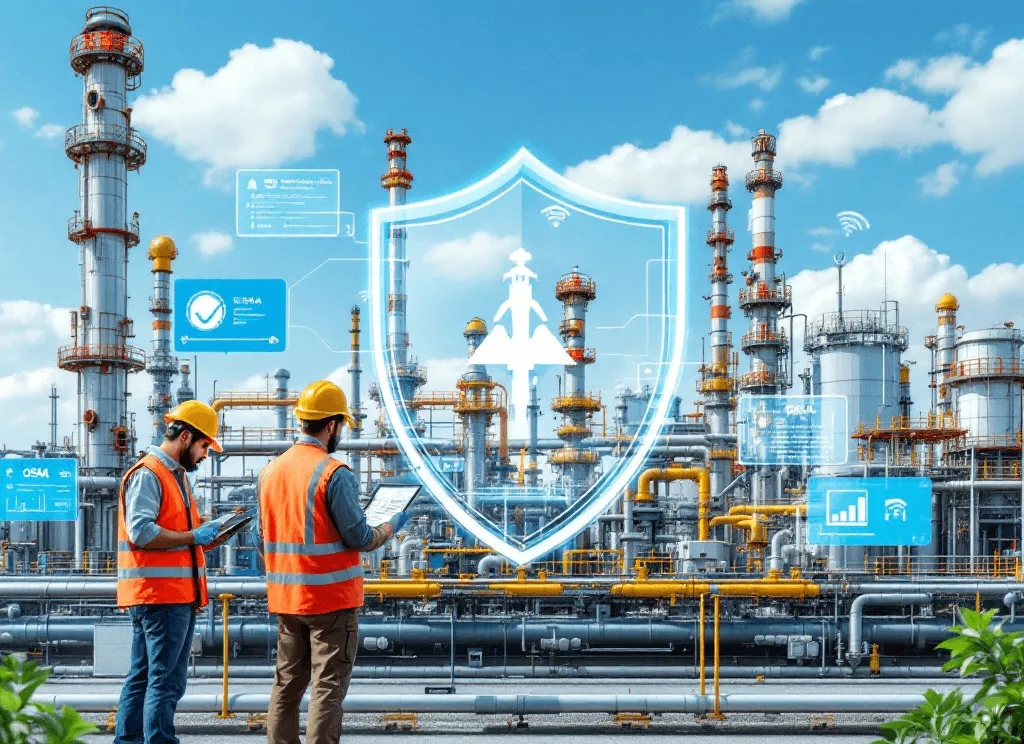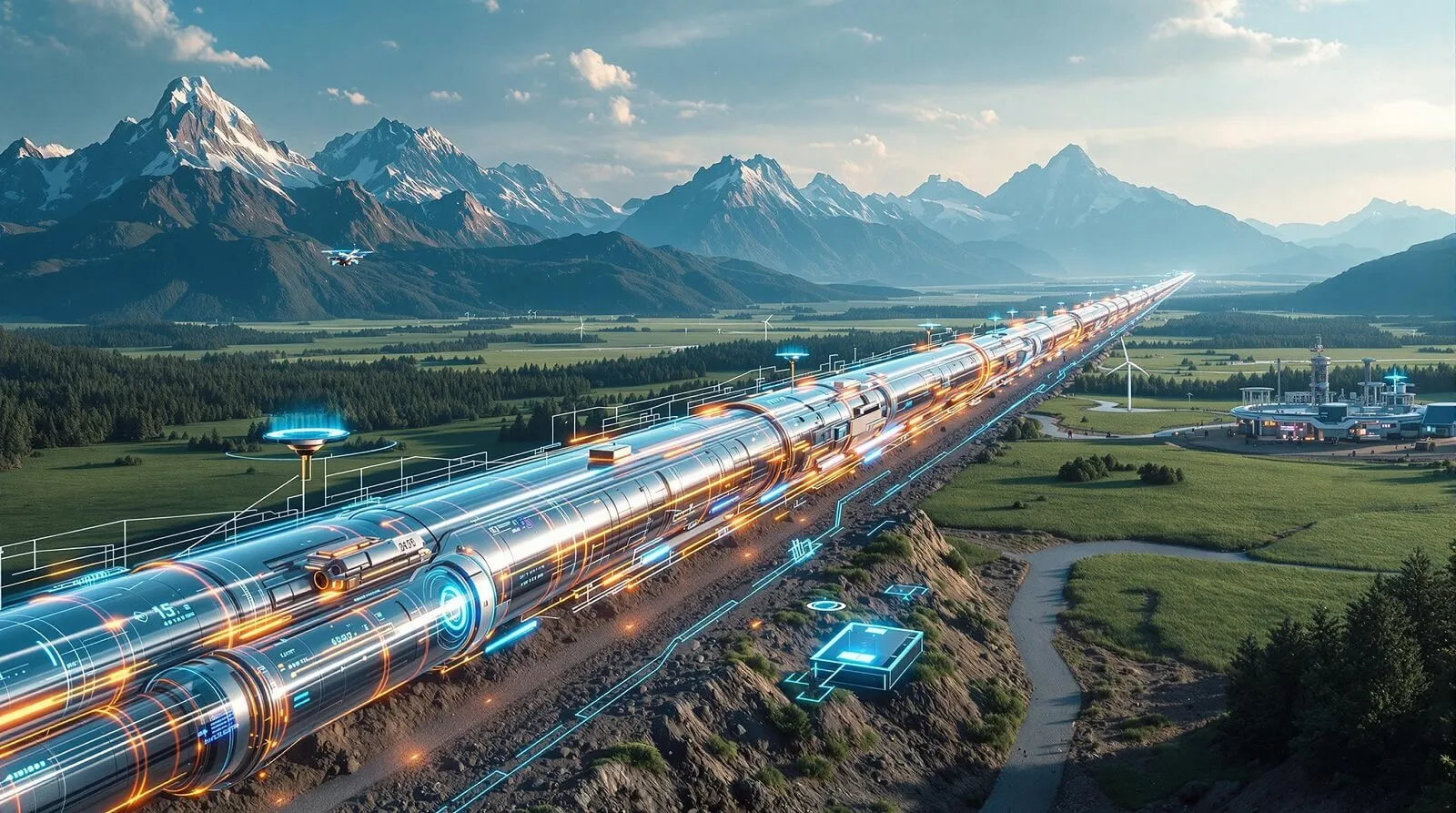
The oil and gas industry underpins modern civilization, powering economies and enabling the functioning of countless sectors. Central to this industry is the extensive network of pipelines that transport hydrocarbons from production sites to refineries and end markets. As demand for reliable energy supply continues, so does the need for efficient, safe, and dependable transportation infrastructure. Innovations in pipeline mechanics are at the forefront of meeting these demands, introducing new mechanical technologies in pipeline design and maintenance that meaningfully improve the efficiency and safety of oil and gas transportation.
Table of Contents
- Advanced Pipeline Materials
- Smart Pipeline Monitoring Systems
- Robotics and Automation in Pipeline Maintenance
- Inline Inspection Tools (Smart Pigs)
- Hydraulic Innovations to Optimize Flow
- Predictive Maintenance Using Data Analytics
- Pipeline Integrity Management Systems
- Innovations in Pipeline Design
- Environmental Considerations and Green Technologies
- Conclusion
Advanced Pipeline Materials
High-Strength Steel Alloys
The development of high-strength steel alloys has significantly advanced pipeline construction. These materials offer superior strength-to-weight ratios, allowing for reduced wall thickness without compromising structural integrity — properties that are critical for preventing catastrophic failures in high-pressure service.
Benefits:
- Increased Durability: Resistant to wear and fatigue, extending pipeline service life.
- Cost Efficiency: Reduced material volume lowers overall construction costs.
- Enhanced Safety: Better performance under high-pressure conditions mitigates risk of failure.
Composite Materials
Fiber-reinforced composite materials are increasingly applied in pipeline construction and rehabilitation. These materials combine high tensile strength with inherent corrosion resistance, making them well suited for aggressive or chemically challenging environments.
Benefits:
- Corrosion Resistance: Eliminates reliance on corrosion inhibitors in many service conditions.
- Lightweight: Easier to transport and install, reducing logistical complexity.
- Flexibility: Accommodates varying terrain profiles without compromising structural integrity.
Smart Pipeline Monitoring Systems
Internet of Things (IoT) Integration
The integration of IoT devices into pipeline systems enables real-time monitoring and continuous data acquisition. Sensors distributed along the pipeline transmit data on pressure, temperature, flow rate, and structural condition to centralized supervisory control and data acquisition (SCADA) systems.
Benefits:
- Proactive Maintenance: Early detection of anomalies allows intervention before failures develop.
- Data Analytics: Trend analysis improves operational decision-making and efficiency.
- Remote Monitoring: Reduces the frequency and risk of manual field inspections.
Leak Detection Technologies
Advanced leak detection systems employ acoustic sensors and distributed fiber-optic sensing to identify leaks within the pipeline, while aerial surveillance supports inspection of the right-of-way for surface evidence of releases.
Benefits:
- Environmental Protection: Rapid response minimizes the environmental footprint of any release.
- Cost Savings: Reduces product loss and associated remediation expenditure.
- Regulatory Compliance: Supports adherence to applicable pipeline safety regulations.
Robotics and Automation in Pipeline Maintenance
Unmanned Aerial Vehicles (UAVs)
Drones equipped with high-resolution cameras, thermal imaging, and gas-detection sensors inspect pipeline rights-of-way from the air, accessing difficult terrain without exposing personnel to hazard.
Benefits:
- Efficiency: Covers large corridor distances in a fraction of the time required for ground patrols.
- Safety: Eliminates personnel exposure associated with manual inspection in remote or hazardous areas.
- Data Collection: Provides detailed visual and sensor data for engineering analysis.
Inspection Robots
Robotic crawlers navigate the interior or exterior of pipelines, assessing conditions and identifying defects such as corrosion, cracking, or blockages.
Benefits:
- Comprehensive Inspection: Accesses areas that are physically unreachable by personnel.
- Accuracy: High-precision sensor suites detect minute defects at an early stage.
- Non-Intrusive: Inspections can be conducted without interrupting normal operations.
Inline Inspection Tools (Smart Pigs)
Smart pigs are instrumented devices propelled through pipelines by product flow to perform condition assessment and integrity inspection.
Technologies Used:
- Magnetic Flux Leakage (MFL): Detects metal loss and corrosion in the pipe wall.
- Ultrasonic Testing (UT): Measures wall thickness and identifies planar flaws.
- Caliper Pigs: Identify geometric anomalies such as dents and deformations.
Benefits:
- Detailed Analysis: Generates comprehensive data on pipeline condition along the full run length.
- Operational Continuity: Inspections are performed without halting product flow.
- Preventive Action: Enables timely remediation before defects reach critical size.
Hydraulic Innovations to Optimize Flow
Drag-Reducing Agents (DRAs)
Benefits:
- Increased Throughput: Allows greater product volumes to be transported at the same operating pressure.
- Energy Savings: Reduces the power demand at pump stations.
- Cost Efficiency: Lowers overall operating expenditure.
Advanced Pumping Systems
Benefits:
- Energy Efficiency: Pumps operate at the most efficient point on their characteristic curve.
- Reduced Wear: Soft-start capability and speed control extend mechanical component life.
- Operational Flexibility: System adapts readily to changing flow and pressure requirements.
Predictive Maintenance Using Data Analytics
Machine Learning Algorithms
Benefits:
- Reduced Downtime: Maintenance is planned proactively rather than reactively.
- Cost Savings: Avoids unplanned shutdowns and emergency repair costs.
- Optimized Operations: Improves overall system reliability and availability.
Digital Twins
Benefits:
- Risk Assessment: Potential failure modes can be explored in the virtual environment before they manifest physically.
- Improved Design: Supports optimization of pipeline configurations and operating parameters.
- Training Tool: Provides operators with a realistic environment to develop system knowledge and emergency response skills.
Pipeline Integrity Management Systems
Regulations and Standards Compliance
Adherence to recognized standards such as API 1160 (for hazardous liquid pipelines) and ASME B31.8S (for integrity management of gas transmission and distribution piping systems) provides the framework for managing pipeline integrity throughout the asset lifecycle, with selection dependent on the product being transported and regulatory jurisdiction. provides the framework for managing pipeline integrity throughout the asset lifecycle, with selection dependent on the product being transported.
Benefits:
- Safety Assurance: Structured integrity programs minimize the probability of failures.
- Regulatory Compliance: Demonstrates due diligence and avoids regulatory penalties.
- Public Trust: Consistent compliance supports the company's social licence to operate.
Integrated Software Solutions
Integrity management software platforms consolidate inspection records, risk assessments, maintenance histories, and real-time sensor data into a unified environment.
Benefits:
- Data Centralization: Streamlines data management and eliminates information silos.
- Real-Time Insights: Supports timely, evidence-based decision-making.
- Efficiency Gains: Improves coordination across operations, integrity, and maintenance functions.
Innovations in Pipeline Design
Stress Analysis and Management
Advanced finite element analysis (FEA) and computational fluid dynamics (CFD) tools allow engineers to evaluate stress factors including thermal expansion, pressure cycling, soil movement, and external loading during the design phase.
Benefits:
- Design Optimization: Identifies and mitigates stress concentrations before construction.
- Extended Lifespan: Reduces cumulative fatigue damage and lowers failure probability.
- Safety Enhancement: Confirms structural adequacy under the full range of anticipated operating conditions.
Improved Welding Techniques
Benefits:
- Consistency: Mechanized welding reduces human variability and the incidence of weld defects.
- Speed: Automated systems accelerate construction schedules.
- Quality Assurance: NDT methods — including radiographic, ultrasonic, and phased-array techniques — detect imperfections before the pipeline enters service.
Environmental Considerations and Green Technologies
Renewable Energy Integration
Powering pump stations and remote monitoring equipment with solar, wind, or other renewable energy sources reduces the carbon intensity of pipeline operations.
Benefits:
- Sustainability: Aligns operational practices with broader decarbonization objectives.
- Cost Savings: Reduces long-term energy expenditure, particularly at remote locations.
- Corporate Responsibility: Demonstrates commitment to environmental stewardship.
Eco-Friendly Pipeline Coatings
Benefits:
- Corrosion Protection: Extends pipeline service life by isolating the steel substrate from corrosive environments.
- Environmental Safety: Minimizes ecological impact compared with legacy coating systems.
- Regulatory Compliance: Supports conformance with environmental protection requirements.
Conclusion
Innovations in pipeline mechanics are reshaping the oil and gas transportation landscape. By leveraging advanced materials, smart monitoring technologies, robotics, and data analytics, the industry continues to improve the efficiency, reliability, and safety of its pipeline infrastructure. These developments simultaneously address environmental obligations and evolving regulatory requirements. As technology advances, operators must maintain a commitment to adopting proven innovations in order to meet energy transportation demands in a safe and responsible manner.