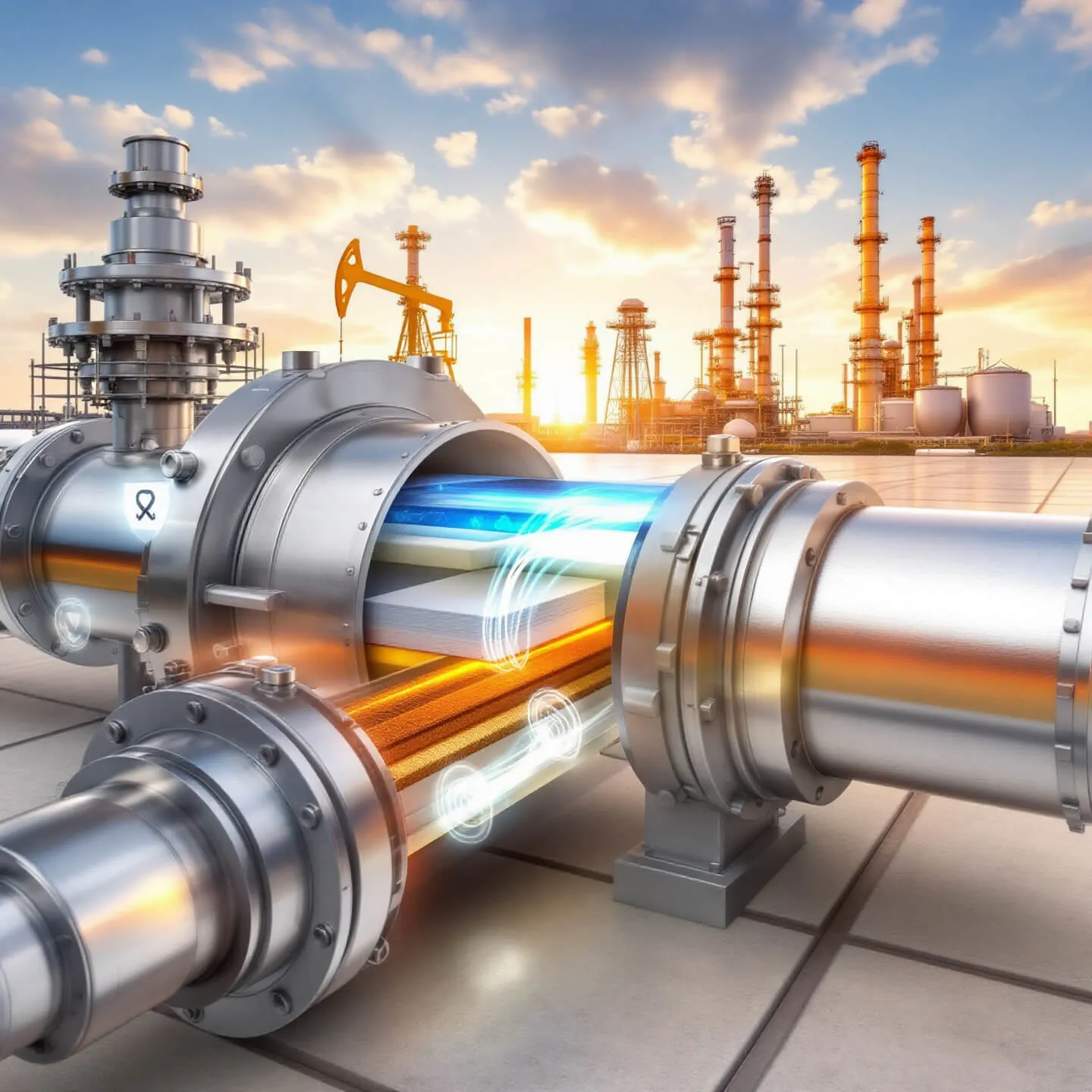
Mechanical Integrity (MI) programs are comprehensive strategies designed to ensure that critical equipment and systems are designed, installed, maintained, and replaced in a manner that prevents failures and accidents. In the oil and gas industry, maintaining the mechanical integrity of equipment is not just a regulatory requirement — it is a crucial component of operational excellence. This article examines the essential components of mechanical integrity programs and their significance in promoting safety and regulatory compliance within the industry.
Understanding Mechanical Integrity in Oil and Gas
Mechanical integrity refers to the soundness of equipment and systems that are vital for the safe and efficient operation of oil and gas facilities. These include pressure vessels, storage tanks, piping systems, relief devices, and various rotating equipment. MI programs aim to prevent accidental releases of hazardous materials, equipment malfunctions, and catastrophic failures that can lead to injuries, environmental damage, and costly downtime.
The Regulatory Framework
OSHA Process Safety Management (PSM)
In the United States, the Occupational Safety and Health Administration's (OSHA) Process Safety Management (PSM) standard outlines the requirements for mechanical integrity programs. Under OSHA PSM (29 CFR 1910.119), employers are required to establish and implement written procedures to maintain the integrity of process equipment.
EPA Risk Management Plan (RMP)
The Environmental Protection Agency's (EPA) Risk Management Plan (RMP) rule also emphasizes mechanical integrity as a critical element in preventing chemical accidents. Facilities handling hazardous substances above threshold quantities must develop RMPs that include MI programs to mitigate risks.
International Standards
Globally, American Petroleum Institute (API) standards — including API 510 for pressure vessel inspection, API 570 for piping inspection, and API 653 for inspection, repair, alteration, and reconstruction of aboveground storage tanks — provide well-established frameworks for mechanical integrity. — provide well-established frameworks for mechanical integrity. The International Organization for Standardization (ISO) also publishes relevant norms applicable to international operations.
Components of Mechanical Integrity Programs
An effective mechanical integrity program is multifaceted, involving several key components that work synergistically to ensure equipment reliability and safety.
1. Equipment Identification and Classification
Identifying and categorizing all equipment that falls under the MI program is the first step. This includes:
- Criticality Assessment: Determining which equipment poses the highest risk in terms of safety and environmental impact.
- Equipment Register: Creating a comprehensive list that details each piece of equipment, including specifications, materials of construction, and design codes.
2. Inspection and Testing Procedures
Regular inspections and testing are vital to detect potential issues before they lead to failures.
- Developing Inspection Plans: Based on risk assessments, plans should outline the methods, frequencies, and scope of inspections. Risk-Based Inspection (RBI) methodologies, as described in
API 580, provide a structured approach to prioritizing inspection effort. - Non-Destructive Testing (NDT): Techniques such as ultrasonic testing, radiography, and magnetic particle inspection help assess equipment condition without causing damage.
- Condition Monitoring: Implementing real-time monitoring systems for critical parameters like vibration, temperature, and pressure.
3. Maintenance and Repair Procedures
Proper maintenance ensures equipment continues to function as designed.
- Preventive Maintenance: Scheduled activities aimed at preventing equipment failures.
- Corrective Maintenance: Actions taken to restore equipment to operational status after a failure.
- Standard Operating Procedures (SOPs): Detailed instructions for maintenance tasks to ensure consistency and safety.
4. Training and Qualification of Personnel
Personnel involved in MI activities must be adequately trained and qualified.
- Competency Programs: Establishing training modules and certification processes aligned with applicable standards and regulatory requirements.
- Awareness Training: Ensuring that all employees understand the importance of MI and their roles in maintaining it.
5. Documentation and Recordkeeping
Accurate records are essential for regulatory compliance and for tracking the effectiveness of the MI program.
- Maintenance Logs: Recording all maintenance activities, inspections, and test results.
- Equipment History: Keeping a detailed history of each piece of equipment, including modifications and repair history.
- Compliance Records: Documenting adherence to regulatory requirements.
6. Mechanical Integrity Audits and Assessments
Regular audits help identify gaps in the MI program and areas for improvement.
- Internal Audits: Conducted by the company to ensure ongoing compliance and effectiveness.
- Third-Party Audits: Independent assessments that provide unbiased evaluations of the MI program.
7. Management of Change (MOC)
Changes to equipment, processes, or materials must be managed carefully to maintain mechanical integrity.
- Change Evaluation: Assessing the impact of proposed changes on equipment integrity.
- Approval Processes: Implementing formal approval procedures for changes.
- Documentation: Updating records to reflect changes and ensuring all stakeholders are informed.
8. Incident Investigation
When failures or near-misses occur, thorough investigations are necessary.
- Root Cause Analysis: Identifying the underlying causes of incidents to prevent recurrence.
- Lessons Learned: Integrating findings into the MI program to enhance future performance.
Importance of Mechanical Integrity Programs
Preventing Equipment Failure
Mechanical integrity programs are essential in preventing equipment failures that can lead to catastrophic events.
Ensuring Safety of Personnel and Environment
Safety is paramount in the oil and gas industry. MI programs protect workers by ensuring that equipment operates safely. They also safeguard the environment by preventing leaks, spills, and emissions of hazardous substances.
Avoiding Production Downtime
MI programs help maintain continuous operations by reducing the likelihood of unexpected breakdowns.
Mitigating Legal and Financial Risks
Non-compliance with regulatory requirements can lead to fines, legal action, and reputational damage. Effective MI programs demonstrate a company's commitment to compliance and can reduce the risk of penalties.
Challenges in Implementing Mechanical Integrity Programs
Aging Infrastructure
Many oil and gas facilities operate with aging equipment, which presents unique challenges in maintenance and integrity management. Older equipment may require more extensive inspections and specialized maintenance procedures, and may involve materials or design codes that predate current standards.
Technological Advances
The rapid advancement of technology necessitates continuous updates to MI programs. Integrating new inspection tools, monitoring systems, and data analysis methods can be resource-intensive but is essential for maintaining effectiveness.
Data Management
The volume of data generated from inspections, monitoring, and maintenance activities can be substantial. Effective data management systems are needed to store, analyze, and retrieve information crucial for decision-making.
Best Practices for Mechanical Integrity
Leveraging Technology
- Predictive Maintenance: Utilizing predictive analytics and condition-monitoring data to anticipate failures before they occur.
- Digital Twins: Creating digital replicas of physical assets to simulate and analyze performance under various operating conditions.
- Asset Management Software: Implementing software solutions that integrate all aspects of equipment management, from inspection scheduling to work-order tracking.
Continuous Improvement
MI programs should not be static. Continuous evaluation and improvement ensure that the program adapts to new challenges and incorporates lessons learned.
- Key Performance Indicators (KPIs): Establishing metrics to measure the effectiveness of MI activities.
- Feedback Mechanisms: Encouraging input from all levels of the organization to identify areas for enhancement.
Integration with Operational Processes
Mechanical integrity should be integrated into the broader operational processes.
- Cross-Functional Collaboration: Involving engineering, operations, safety, and maintenance teams in MI activities.
- Holistic Approach: Considering mechanical integrity in all aspects of project planning and execution.
Conclusion
Mechanical integrity programs are a cornerstone of safety and compliance in the oil and gas industry. By meticulously implementing the components of MI programs — ranging from equipment identification to incident investigation — companies can prevent accidents, protect their workforce, and ensure environmental stewardship. Moreover, they can achieve operational efficiency and uphold their reputation in a highly regulated industry.
As the industry continues to evolve, so too must mechanical integrity programs. Embracing new technologies, addressing challenges proactively, and fostering a culture of continuous improvement will position companies to not only meet regulatory requirements but to exceed them, setting new standards for safety and excellence.
Call to Action
For oil and gas companies seeking to bolster their mechanical integrity programs, the time to act is now. Assess your current MI strategies, identify gaps, and invest in the resources and training necessary to elevate your program. By doing so, you not only ensure compliance but also demonstrate a commitment to the highest standards of safety and operational integrity.