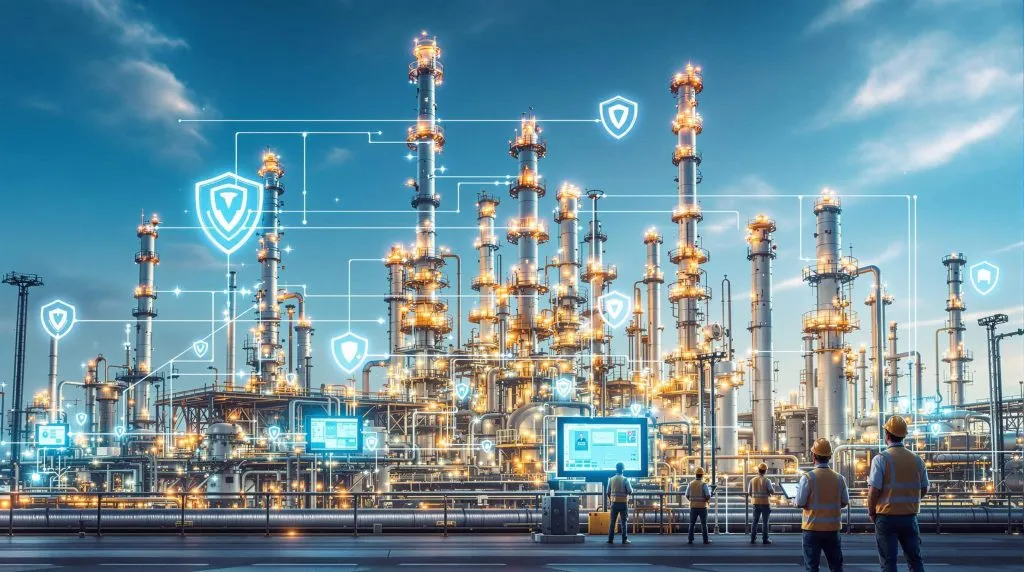
In the dynamic and high-stakes environment of the oil and gas industry, the ability to monitor operations in real-time is not just a competitive advantage — it is a necessity. Traditional instrumentation methods, while foundational, often fall short in delivering the immediacy and precision required to optimize operations and ensure safety. Smart instrumentation leverages advanced sensor and communication technologies to provide real-time monitoring and control. By implementing smart instrumentation, oil and gas companies can significantly enhance efficiency, improve safety measures, and drive data-informed decision-making.
What is Smart Instrumentation?
Smart instrumentation refers to the use of advanced sensors and measurement devices equipped with digital capabilities, including enhanced communication and onboard data processing. These instruments are "smart" because they can not only collect data but also process and transmit it in real-time to control systems and operators. They typically incorporate features such as self-diagnostics, auto-calibration, and network connectivity, facilitating seamless integration into modern industrial systems.
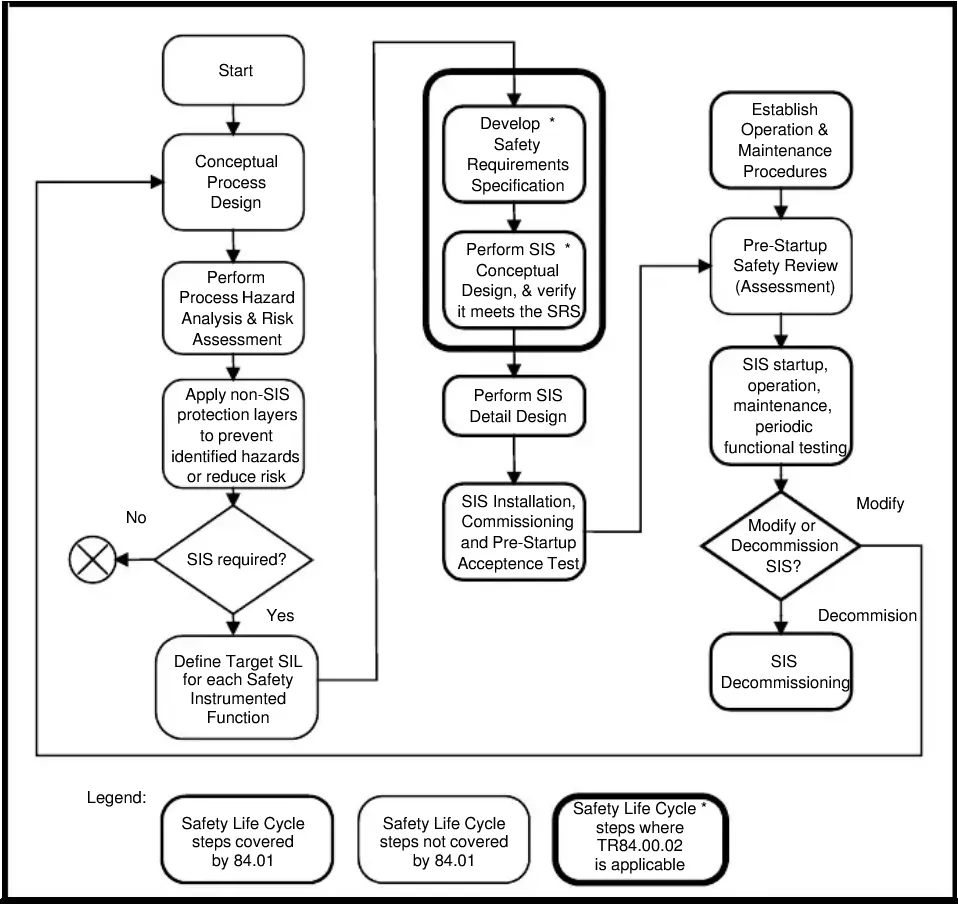
Traditional instruments provide basic measurement functions and require manual intervention for calibration and diagnostics. They support communication protocols such as HART, Foundation Fieldbus, and WirelessHART, enabling integration with distributed control systems (DCS) and supervisory control and data acquisition (SCADA) systems. Relevant standards for smart instrument communication and integration include HART, Foundation Fieldbus, and IEC 61508 (functional safety of E/E/PE systems). Where smart instruments are used in safety-critical applications, they must comply with IEC 61511 for SIS design and ISA-TR84.00.02 for SIL determination.
The Need for Real-Time Monitoring in the Oil and Gas Industry
The oil and gas industry involves complex processes and hazardous environments. Equipment failures, leaks, and operational inefficiencies can lead to significant financial losses and serious safety risks. Real-time monitoring is essential for:
- Operational Efficiency: Monitoring process variables such as pressure, temperature, flow rate, and composition in real-time allows for immediate adjustments to optimize production and reduce waste.
- Safety: Early detection of anomalies or deviations from normal operating conditions can prevent accidents, equipment damage, and environmental hazards.
- Regulatory Compliance: Continuous monitoring supports adherence to industry regulations and standards, helping operators avoid penalties and maintain their operating license.
- Predictive Maintenance: Real-time data can be analyzed to anticipate equipment degradation before failure occurs, enabling proactive maintenance scheduling.
Implementing Smart Instrumentation for Real-Time Monitoring
Implementing smart instrumentation in the oil and gas industry involves several critical steps:
-
Assessment and Planning — Begin with a thorough assessment of existing instrumentation and control systems. Identify areas where smart instruments can bring immediate operational benefits. Develop a strategic implementation plan that aligns with operational goals and budget constraints.
-
Selection of Appropriate Instruments — Choose smart instruments that are compatible with existing systems and suited to the specific operational environment. Key selection factors include:
- Measurement accuracy and range
- Environmental robustness (ingress protection, hazardous area classification per
IEC 60079-10-1for gas/vapour areas, with installation guidance fromIEC 60079-14) - Supported communication protocols
- Integration capabilities with existing DCS or SCADA platforms
-
Integration with Control Systems — Smart instruments must be integrated with DCS or SCADA systems to enable real-time data exchange. This typically involves updating software, configuring communication networks, and ensuring cybersecurity measures are in place to protect operational technology (OT) infrastructure.
-
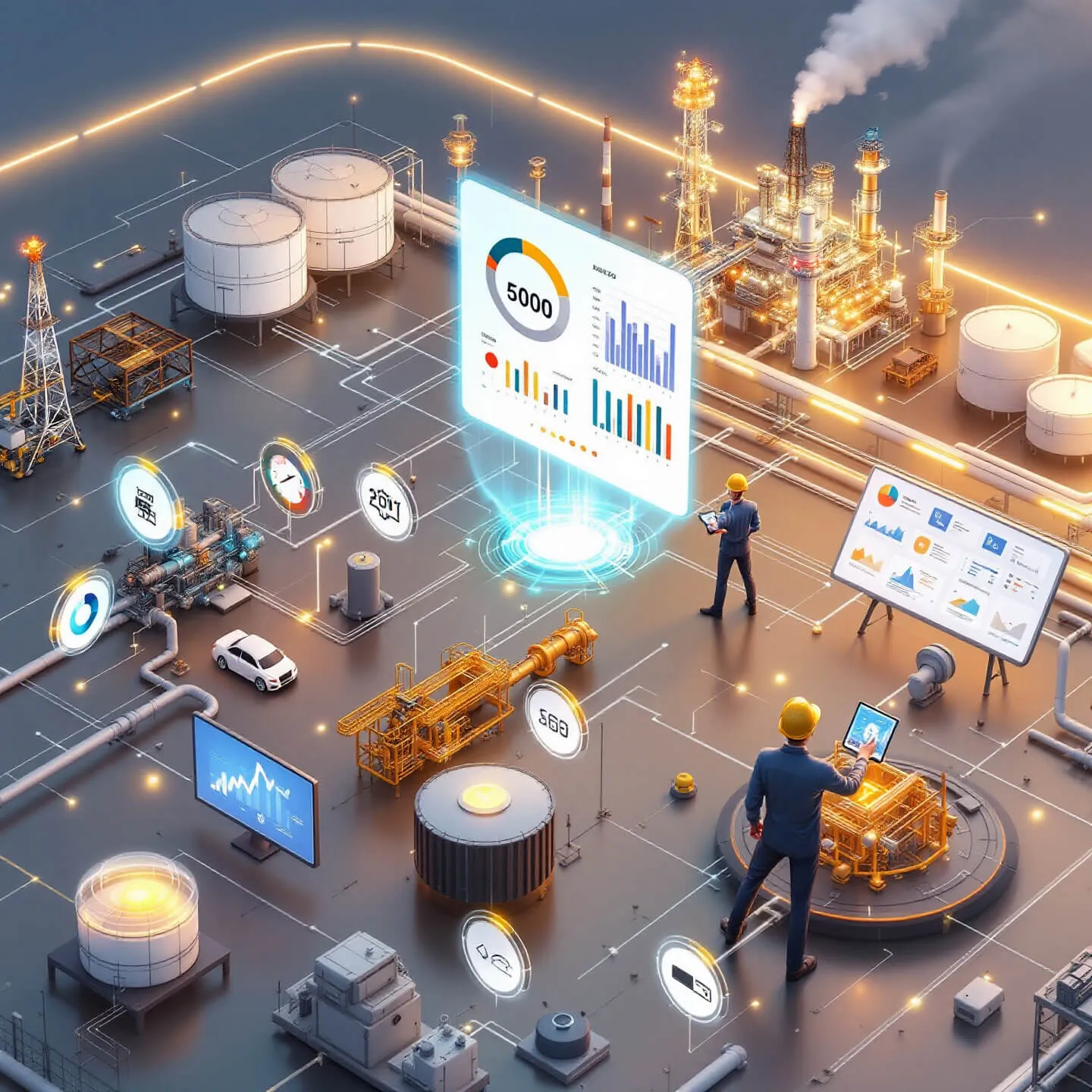
Data Management and Analytics — Implement data management solutions capable of handling continuous real-time data streams. Advanced analytics tools can process this data to provide actionable insights, trend analysis, and predictive maintenance alerts.
-
Training and Change Management — Operators and maintenance personnel require training to use and maintain new smart instruments effectively. Change management strategies should be employed to facilitate the transition and encourage workforce acceptance.
-
Compliance and Standards — Ensure that the implementation adheres to applicable industry standards and regulations, including
IEC 61511for SIS design,ISA-TR84.00.02for SIL evaluation, and relevantAPIguidelines such asAPI 1104(Pipeline Systems) orAPI 65(Refinery Equipment) where applicable to the asset class.
Overcoming Implementation Challenges
While the benefits of smart instrumentation are well established, implementation can present challenges:
- Cost Considerations — Initial investment in smart instruments and supporting infrastructure can be substantial. The return on investment through improved efficiency and reduced unplanned downtime must be evaluated against capital and integration costs on a project-specific basis.
- Compatibility Issues — Legacy systems may not readily integrate with new smart instruments. Solutions include using protocol converters, gateways, or phased upgrades of existing infrastructure.
- Cybersecurity Risks — Increased connectivity between field devices and control networks expands the attack surface. Robust cybersecurity measures — including network segmentation, encryption, access controls, and regular security audits — are essential for protecting critical infrastructure.
- Skill Gaps — The workforce may lack the skills required to manage advanced instrumentation and analytics platforms. Investment in targeted training and, where necessary, recruitment of instrumentation specialists is advisable.
Benefits of Smart Instrumentation
Implementing smart instrumentation offers numerous operational and business benefits:
-
Increased Efficiency — Real-time monitoring allows for immediate adjustments to process parameters, optimizing production rates and reducing energy consumption. Smart instruments can detect inefficiencies and trigger automatic control actions without requiring manual intervention.
-
Enhanced Safety — Continuous monitoring of critical variables supports early detection of hazardous conditions. Smart instruments can initiate emergency shutdown procedures or alert operators to take corrective action, contributing to the safety instrumented system (SIS) architecture defined under
IEC 61511. -
Cost Savings — Reducing unplanned downtime through predictive maintenance and minimizing waste through optimized operations can deliver meaningful cost savings. Reduced manual intervention also lowers routine labor costs.
-
Data-Driven Decision Making — Access to real-time, accurate data empowers operations and management teams to make informed decisions. Advanced analytics can reveal process patterns and trends that are not visible through periodic manual readings.
-
Regulatory Compliance — Automated data recording and reporting simplify compliance with environmental and safety regulations. Smart instruments can provide detailed, timestamped logs and reports required by regulatory bodies.
Case Studies: Real-World Implementations
Case Study 1: Offshore Oil Platform Optimization
An offshore oil platform implemented smart pressure and temperature transmitters connected to their DCS via WirelessHART. The real-time data enabled operators to optimize the separation process. Additionally, the system detected abnormal pressure buildups, allowing operators to intervene before conditions escalated.
Case Study 2: Refinery Leak Detection
A refinery installed smart flow meters with self-diagnostic capabilities on critical pipelines. The instruments detected minute changes in flow rates indicative of leaks. Early detection allowed for prompt repair, avoiding environmental regulatory exposure and costly remediation.
Case Study 3: Predictive Maintenance in Gas Processing Plant
A gas processing plant deployed smart vibration sensors on compressors and turbines. Continuous monitoring data fed into analytics platforms that identified developing mechanical faults ahead of failure, enabling scheduled maintenance interventions and reducing unplanned shutdowns.
Future Trends in Smart Instrumentation
The evolution of technology continues to expand smart instrumentation capabilities:
- Internet of Things (IoT) and Industry 4.0 — Integration of IoT principles enables extensive connectivity and data exchange across field devices, control systems, and enterprise platforms. Smart instruments become part of a broader digital ecosystem, facilitating advanced coordination and automation.
- Artificial Intelligence (AI) and Machine Learning (ML) — AI and ML techniques can analyze the large volumes of data generated by smart instruments to identify degradation patterns, optimize process setpoints, and support autonomous operational adjustments.
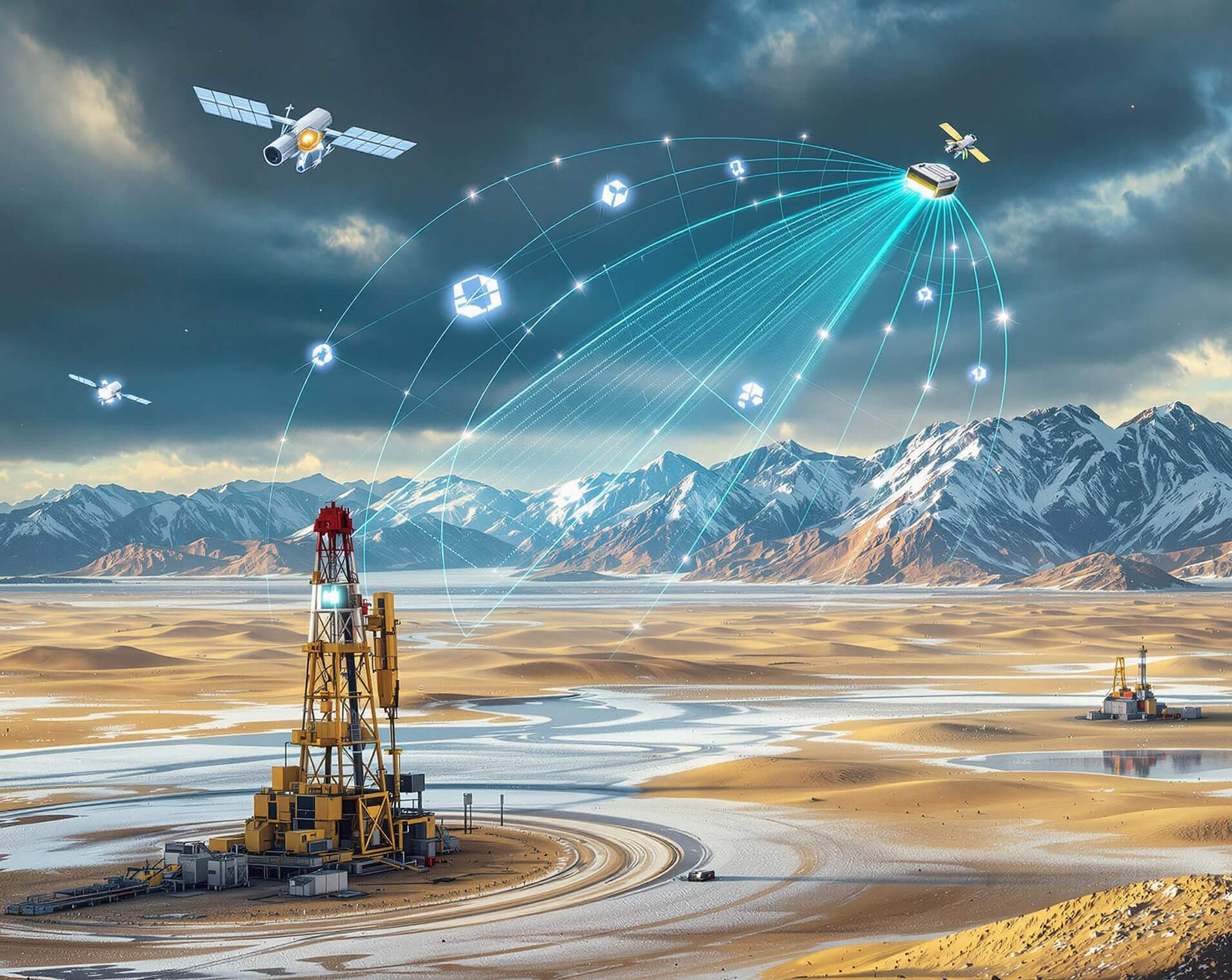
- Wireless and Remote Monitoring — Advances in wireless communication standards allow monitoring in remote or hazardous locations without extensive cabling infrastructure, reducing installation costs and complexity.
- Enhanced Cybersecurity — As OT connectivity increases, smart instrument vendors and end users are incorporating more sophisticated cybersecurity architectures to protect critical process infrastructure from evolving threats.
Conclusion
Implementing smart instrumentation for real-time monitoring is a strategic investment that can meaningfully transform operations in the oil and gas industry. The ability to monitor, control, and optimize processes continuously leads to increased efficiency, enhanced safety, and measurable cost benefits. While implementation presents real challenges — particularly around legacy system integration, cybersecurity, and workforce capability — . As technology advances, smart instrumentation will become increasingly central to industrial operations, driving innovation and sustaining competitiveness in a demanding market.
Oil and gas companies that adopt smart instrumentation improve their current operations and position themselves to take advantage of future advances in digitalization and process automation. It is a foundational investment in operational excellence and sustainable growth.
By exploring and adopting smart instrumentation, your organization can remain competitive in the evolving oil and gas industry, ensuring safety, efficiency, and long-term profitability. The case for making the smart choice in instrumentation has never been stronger.