Oil and gas runs on data. If you can't collect it and move it, you're operating blind. Remote fields make that hard—they're often far out, harsh, and hard to reach. Wireless instrumentation gives operators a practical way to improve efficiency, safety, and profitability. This article looks at what makes wireless deployment difficult in remote oil fields and what solutions are changing how operators manage those assets.
The Importance of Wireless Instrumentation in Oil Fields
Wireless instrumentation uses wireless devices and networks to monitor, collect, and transmit data from field instruments. In oil fields, it lets operators watch pressure, temperature, flow rates, and equipment status in real time. Wireless systems reduce cabling needs, lower maintenance costs, and make data management more flexible.
Benefits of Wireless Integration
- Real-Time Data Access: You get data immediately, so decisions happen faster and problems get addressed sooner.
- Cost Reduction: No wiring infrastructure to install, and less ongoing maintenance.
- Improved Safety: Remote monitoring keeps people out of hazardous areas.
- Scalability: You can expand or reconfigure the system without being tied to physical wiring.
Challenges in Deploying Wireless Instrumentation
The upside is real. So are the problems. Remote oil fields throw environmental, technical, and logistical obstacles at wireless instrumentation.
Environmental Challenges
Remote fields sit in extreme heat, cold, humidity, or corrosive conditions. Those conditions shorten device life and hurt performance.
- Temperature Extremes: Extreme cold or heat can impair battery performance and electronic components.
- Corrosive Atmospheres: Process chemicals and gases can deteriorate equipment housings and connections.
- Physical Obstructions: Ridgelines, dense vegetation, and terrain can attenuate or block signals.
Technical Challenges
Reliable communication and data integrity over wireless networks are critical.
- Signal Interference: Electromagnetic interference from rotating machinery, variable-frequency drives, and other field equipment can disrupt wireless signals.
- Limited Bandwidth: Remote areas may not have enough bandwidth for data-intensive operations.
- Power Supply Limitations: Without grid access, consistent power for wireless devices is hard.
Security Concerns
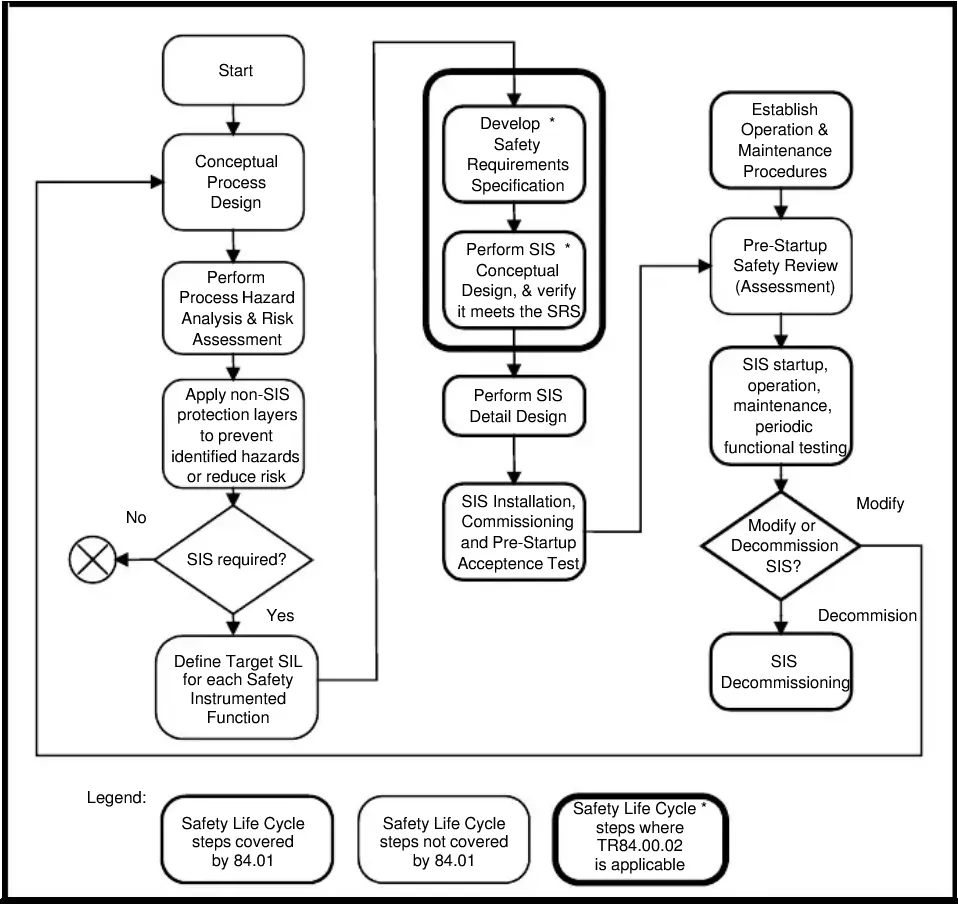
Wireless networks can be hit by cybersecurity threats leading to unauthorized access or data breaches. For safety-instrumented systems, cybersecurity considerations are addressed within the functional safety lifecycle framework of IEC 61511.
- Data Encryption: Weak or absent encryption protocols can expose sensitive operational data.
- Network Vulnerabilities: Unsecured networks can be exploited by malicious actors.
Logistical Challenges
Installation and maintenance logistics in remote locations are hard to ignore.
- Accessibility: Difficult terrain can hinder transporting equipment and personnel.
- Maintenance: Regular upkeep is challenging due to remoteness.
Solutions for Effective Wireless Integration
Solving these problems takes solid engineering and proven technology.
Robust Equipment Design
Wireless instruments have to survive harsh conditions. Equipment for potentially explosive atmospheres must comply with the appropriate IEC 60079 equipment standard (e.g., IEC 60079-11 for intrinsically safe equipment) and with IEC 60079-14 for installation design, selection, and erection guidance.
- Ruggedized Devices: Durable materials and proper ingress-protection ratings resist corrosion and temperature extremes.
- Extended Battery Life: Low-power electronics and efficient communication protocols stretch battery service intervals.
Advanced Communication Technologies
The right communication architecture improves reliability and efficiency.
- Mesh Networks: Self-healing topologies that reroute data paths automatically if a node fails, improving system resilience.
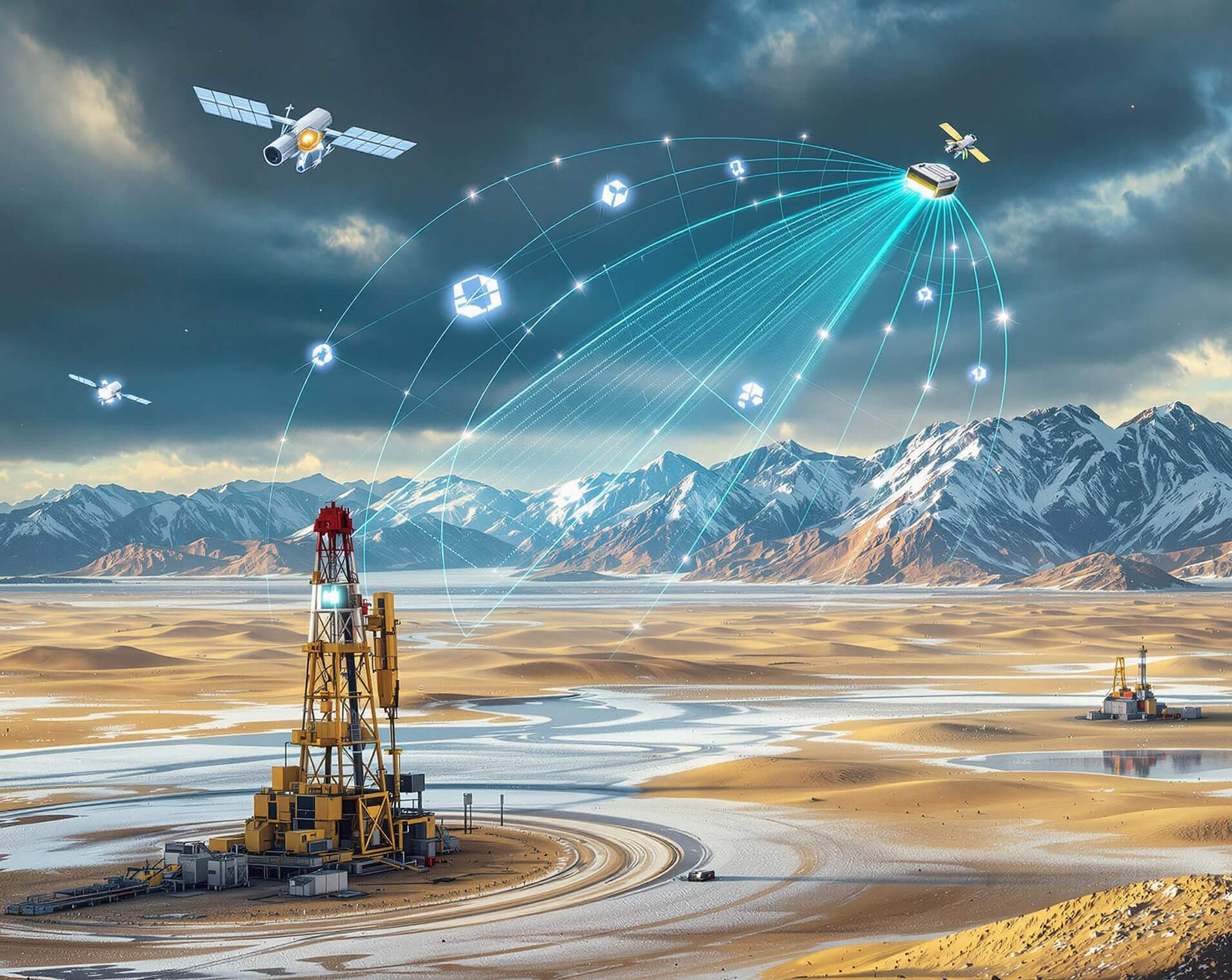
- Satellite Communication: Satellite links get around geographical barriers and provide connectivity where terrestrial infrastructure is absent.
- Licensed Radio Frequencies: Dedicated licensed spectrum reduces interference and gives more predictable link performance than unlicensed bands.
Enhanced Security Protocols
Data integrity and network security are essential for operational continuity and process safety.
- Strong Encryption: AES-based encryption safeguards data in transit and at rest.
- Authentication Mechanisms: Multi-factor authentication ensures only authorized users and devices can access the network.
- Regular Security Audits: Periodic assessments identify and fix vulnerabilities before they can be exploited.
Sustainable Power Solutions
Off-grid locations need reliable power for wireless devices.
- Solar Power: Photovoltaic panels with battery storage provide a viable renewable energy source for remote instrumentation.
- Energy Harvesting: Thermal or vibration energy harvesting from process equipment can supplement or replace primary batteries in suitable applications.
- Low-Power Design: Devices engineered to operate on minimal power extend maintenance intervals and reduce total cost of ownership.
Remote Management and Diagnostics
Fewer site visits means lower cost and less personnel exposure.
- Over-the-Air Updates: Firmware and configuration updates can be deployed without physical access to the device.
- Remote Diagnostics: Continuous monitoring of device health supports predictive maintenance and reduces unplanned downtime.
Case Studies: Successful Implementations
Case Study 1: Mesh Networks in Desert Environments
Case Study 2: Satellite Communication in Offshore Platforms
The Future of Wireless Instrumentation in Oil Fields
Wireless technology keeps opening new possibilities for oil and gas operations.
Internet of Things (IoT) Integration
Industrial IoT devices are changing data collection and analysis in field operations.
- Smart Sensors: Multivariable devices capable of measuring several parameters simultaneously and communicating autonomously.
- Edge Computing: Processing data at or near the source reduces latency and bandwidth requirements back to the control center.
- Predictive Analytics: Machine learning algorithms applied to continuous sensor streams can anticipate equipment degradation and optimize maintenance scheduling.
5G Connectivity
Where 5G private network infrastructure is deployed at or near field sites, it offers higher bandwidth and lower latency than earlier cellular generations.
- Enhanced Data Rates: Higher throughput supports more data-intensive applications such as high-definition video monitoring and large-file transfer.
- Network Slicing: Dedicated virtual network segments can be tailored to specific operational requirements, separating safety-critical traffic from general data.
Sustainable Practices
Wireless instrumentation contributes to broader environmental and operational sustainability goals.
- Reduced Carbon Footprint: Fewer site visits and reduced physical infrastructure lower the operational carbon footprint of remote field monitoring.
- Efficient Resource Utilization: Optimized operations enabled by real-time data help conserve energy and reduce material waste.
Conclusion
Wireless instrumentation in remote oil fields brings hard challenges and real operational payoff. Robust equipment design, appropriate communication architectures, and sound cybersecurity practices address environmental, technical, and security concerns. Better power management, remote diagnostics, and network resilience make wireless integration more viable across a wide range of remote field conditions. As the industry evolves, these technologies will be essential for efficiency, safety, and profitability in remote operations.