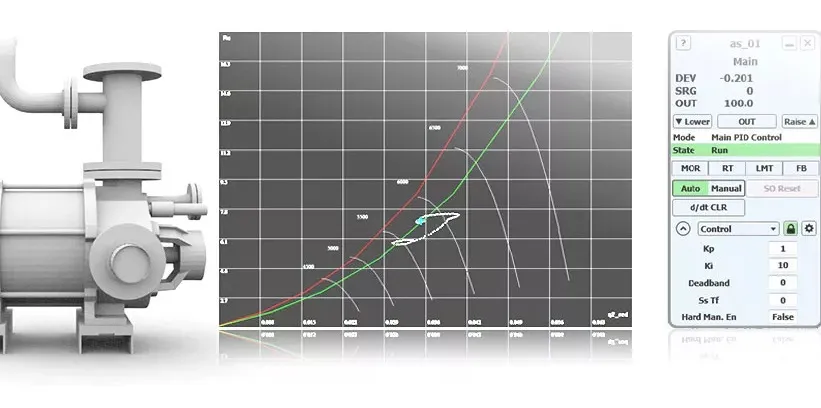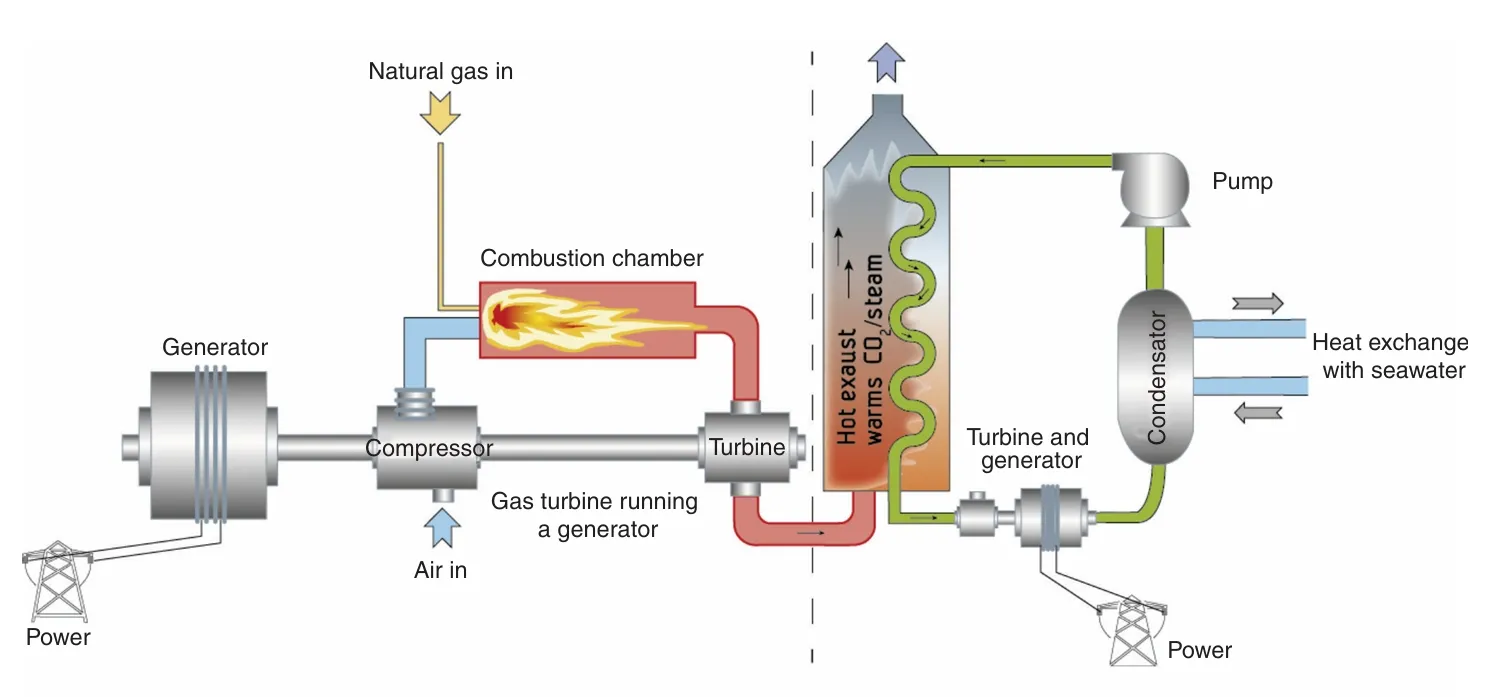
Offshore oil and gas platforms operate in some of the most demanding environments on Earth. At the heart of these platforms lies turbo machinery—critical equipment such as gas turbines, centrifugal compressors, and pumps—that drives essential processes including compression, injection, and hydrocarbon processing. Ensuring the reliability and longevity of this equipment is paramount for operational efficiency, safety, and profitability. This article examines best maintenance practices for turbo machinery on offshore platforms, covering strategies to address the unique challenges posed by the offshore environment.
The Challenges of Maintaining Turbo Machinery Offshore
Operating in offshore environments introduces a range of challenges that can adversely affect turbo machinery performance and integrity. These include:
- Harsh Environmental Conditions: Saltwater corrosion, high humidity, extreme temperatures, and severe weather accelerate wear and material degradation.
- Accessibility Issues: Limited deck space and difficult physical access complicate maintenance activities and equipment handling.
- Continuous Operation Demands: High process availability requirements leave minimal planned downtime for maintenance interventions.
- Skilled Personnel Shortage: Recruiting and retaining qualified maintenance technicians willing to work offshore rotations remains an ongoing industry challenge.
Addressing these challenges requires a proactive and structured approach to maintenance planning and execution.
Best Practices for Turbo Machinery Maintenance
Implementing sound maintenance practices ensures that turbo machinery operates efficiently, safely, and with minimal unplanned downtime. The following strategies are applicable to offshore operators.
1. Implement a Comprehensive Maintenance Plan
A well-defined maintenance plan is the foundation of effective machinery upkeep.
- Scheduled Maintenance: Establish regular maintenance schedules based on manufacturer recommendations and accumulated operational experience.
- Customized Maintenance Intervals: Adjust intervals according to machinery duty cycles, operating hours, and site-specific environmental conditions.
- Documentation: Maintain detailed records of all maintenance activities, inspections, findings, and parts replacements to support trend analysis and regulatory audits.
2. Utilize Predictive Maintenance Techniques
Predictive maintenance involves monitoring equipment condition during normal operation to determine when maintenance is actually required.
- Vibration Analysis: Detects imbalances, misalignments, and bearing degradation by monitoring vibration signatures against established baselines.
- Thermography: Uses infrared imaging to identify overheating components that may indicate developing faults.
- Oil Analysis: Evaluates lubricant condition and detects metallic contaminants or chemical degradation that can signal internal wear.
- Acoustic Emissions: Monitors ultrasonic emissions from equipment to detect developing cracks, leaks, or valve seat deterioration.
3. Embrace Condition-Based Maintenance
Condition-based maintenance (CBM) is initiated when one or more monitored parameters indicate that equipment performance is deteriorating below an acceptable threshold.
- Real-Time Monitoring: Install sensors to provide continuous data on key health indicators such as temperature, pressure, vibration, and flow.
- Data Analysis: Use software platforms to analyze data trends, identify anomalies, and support maintenance decision-making.
- Maintenance Actions: Schedule interventions based on actual equipment condition rather than fixed calendar intervals, reducing both over-maintenance and unplanned failures.
4. Invest in High-Quality Lubrication Practices
Proper lubrication is fundamental to minimizing friction, wear, and heat generation in rotating equipment.
- Lubricant Selection: Use lubricants specified for the particular turbo machinery type and operating conditions, following OEM guidance.
- Contamination Control: Implement filtration and breather systems to keep lubricants free from particulate and moisture contamination.
- Regular Lubricant Checks: Monitor lubricant levels and condition at defined intervals, replenishing or replacing as required.
5. Address Corrosion and Erosion
The offshore environment accelerates both corrosion and erosion, which can lead to premature component failure if not actively managed.
- Protective Coatings: Apply corrosion-resistant coatings to exposed and vulnerable components in accordance with applicable coating specifications.
- Material Selection: Specify materials such as duplex stainless steels or nickel-based alloys where corrosion resistance is a primary design requirement.
- Cathodic Protection: Employ electrochemical protection methods on submerged or splash-zone metallic structures where appropriate.
- Erosion Monitoring: Regularly inspect components susceptible to erosion, including impellers, diffusers, and compressor blades.
6. Ensure Proper Installation and Alignment
Correct installation and precise alignment are critical to turbo machinery performance and bearing life.
- Precision Alignment: Use laser alignment tools to achieve accurate shaft coupling alignment within OEM tolerances.
- Foundation Checks: Verify the integrity of skid foundations, grout, and structural supports to minimize transmitted vibration.
- Installation Standards: Follow manufacturer guidelines and applicable industry standards throughout installation and recommissioning activities.
7. Conduct Regular Training and Skill Development
Competent personnel are essential for effective and safe maintenance execution.
- Technical Training: Provide ongoing training on current maintenance techniques, diagnostic tools, and equipment-specific procedures.
- Safety Training: Reinforce safety protocols, permit-to-work systems, and isolation procedures to prevent accidents during maintenance activities.
- Knowledge Retention: Implement strategies to retain experienced personnel, including structured knowledge-transfer programs and mentoring of newer technicians.
8. Utilize Remote Monitoring and Diagnostics
Advances in digital technology enable effective remote oversight of offshore rotating equipment.
- IoT Integration: Equip machinery with sensors and communication devices for continuous real-time data transmission to onshore support centers.
- Remote Diagnostics: Enable specialist engineers to assess equipment condition and support troubleshooting without requiring physical presence on the platform.
- Predictive Analytics: Apply machine learning algorithms to historical and real-time data to identify patterns associated with developing faults.
9. Use Genuine Spare Parts and Quality Consumables
Component quality directly affects machinery reliability and maintenance outcomes.
- OEM Parts: Source spare parts from original equipment manufacturers or approved suppliers to ensure dimensional and material compatibility.
- Quality Assurance: Verify the certification and traceability of all parts and consumables prior to installation.
- Inventory Management: Maintain a strategically planned critical-spares inventory to avoid logistical delays during time-sensitive maintenance windows.
10. Compliance with Regulatory Standards
Adherence to industry standards and regulatory requirements underpins both safety and equipment reliability.
- International Standards: Comply with standards such as
ISO 14224for equipment reliability and maintenance data collection, andAPI 670for machinery protection instrumentation. - Regional Regulations: Stay current with regulations applicable to the operating jurisdiction, including those issued by national offshore safety authorities.
- Environmental Compliance: Implement maintenance practices that minimize emissions, fluid releases, and environmental impact in line with applicable regulations.
Enhancing Reliability Through Maintenance Optimization
Optimizing maintenance practices extends the service life of turbo machinery and improves overall platform availability.
- Reliability-Centered Maintenance (RCM): Focuses on understanding the functions and failure modes of equipment to develop a risk-prioritized, tailored maintenance strategy.
- Total Productive Maintenance (TPM): Engages all personnel—operations and maintenance alike—in proactive equipment care to improve overall equipment effectiveness.
- Continuous Improvement: Regularly review maintenance outcomes, incorporate lessons learned, and adopt new techniques and technologies as they mature.
The Role of Technology in Maintenance
Digital and analytical technologies are increasingly central to effective turbo machinery maintenance offshore.
- Digital Twins: Virtual models of physical machinery enable simulation of operating scenarios, fault propagation analysis, and maintenance planning without disrupting live equipment.
- Augmented Reality (AR): AR tools support technician guidance during complex maintenance tasks and can facilitate remote expert assistance in real time.
- Cloud Computing: Centralized data storage and processing platforms enable analysis of large equipment datasets to support fleet-wide performance benchmarking and decision-making.
Safety Considerations
Safety must be integral to every maintenance activity on an offshore platform.
- Risk Assessment: Conduct formal risk assessments before commencing maintenance tasks, particularly on high-energy rotating equipment.
- Protective Equipment: Ensure all personnel use appropriate personal protective equipment (PPE) suited to the specific hazards present.
- Emergency Procedures: Maintain clear, rehearsed emergency response protocols covering scenarios such as hydrocarbon release, fire, or personnel injury during maintenance operations.
Conclusion
Maintaining turbo machinery on offshore platforms is a technically demanding discipline shaped by the harsh and logistically constrained offshore environment. By implementing the practices outlined above—developing comprehensive maintenance plans, applying predictive and condition-based maintenance, investing in workforce competency, and integrating digital technologies—operators can materially improve the reliability and availability of their rotating equipment.
These strategies reduce unplanned downtime and repair costs while protecting personnel safety and environmental integrity. In an operating environment where equipment reliability is directly linked to production performance and safety outcomes, a proactive and systematic approach to turbo machinery maintenance is essential.
Key Takeaways:
- Proactive Maintenance: Transition from reactive to proactive maintenance to anticipate and prevent failures before they occur.
- Technological Integration: Leverage modern monitoring, diagnostic, and digital tools to enhance maintenance effectiveness.
- Skilled Workforce: Invest in the training, competency development, and retention of qualified maintenance personnel.
- Regulatory Compliance: Maintain compliance with all applicable industry standards and regional regulatory requirements.
- Continuous Improvement: Regularly evaluate and refine maintenance strategies using operational data and lessons learned.
By prioritizing these best practices, offshore oil and gas operators can keep their turbo machinery performing reliably and safely, even under the most demanding conditions the offshore environment presents.